For a reader who just finished
Books like Sam, Bangs & Moonshine
after Sam, Bangs & Moonshine by Evaline Ness · ages 5–8
Same style
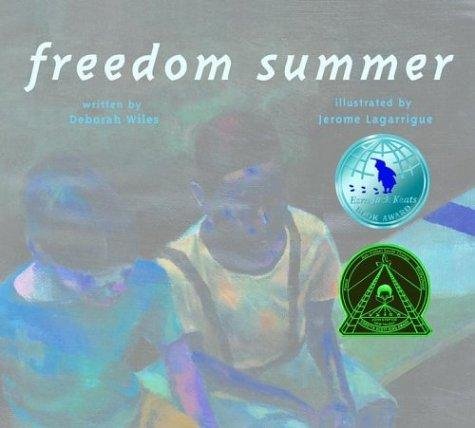
by Deborah Wiles
Picture book · ages 6–10 · grades 1–5 · 620L
Essential historical picture book that refuses to soften the machinery of segregation while centering a child's moral awakening—illustrated in a way that makes systemic racism visible without being traumatizing.
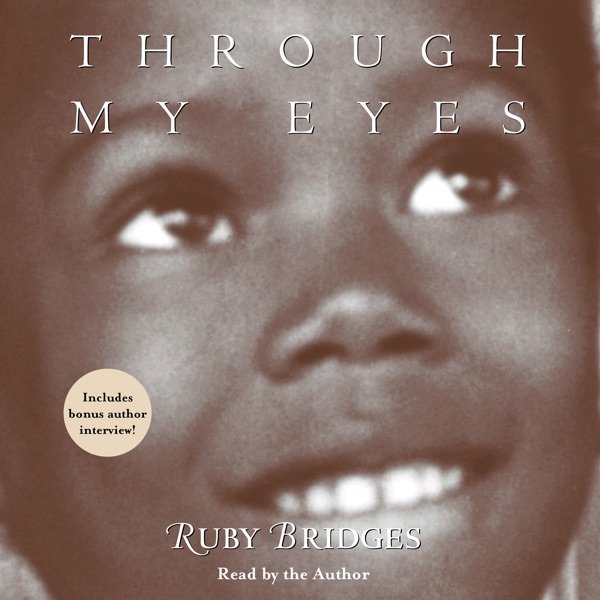
by Ruby Bridges
Picture book · ages 6–10 · grades 1–5 · 620L
The gold standard for introducing desegregation to early readers—Ruby's voice is calm and observant, the pictures are unflinching without being sensationalized, and the book trusts kids to understand why this matters.
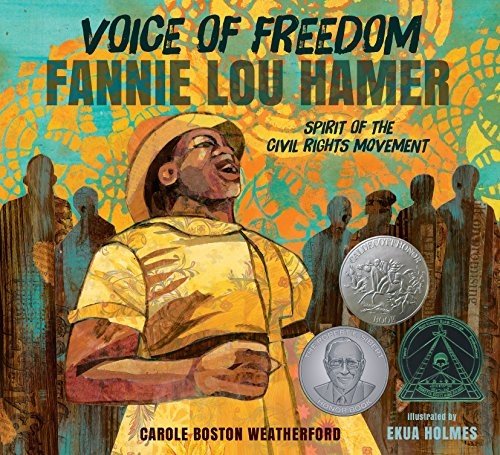
by Ekua Holmes
Picture book · ages 6–9 · grades 1–4 · 620L
A picture book that does not talk down to kids about racism or courage—Holmes's collage art and Hamer's own voice (via quotations) make her resilience vivid and real, not sanitized.
Stretch them up
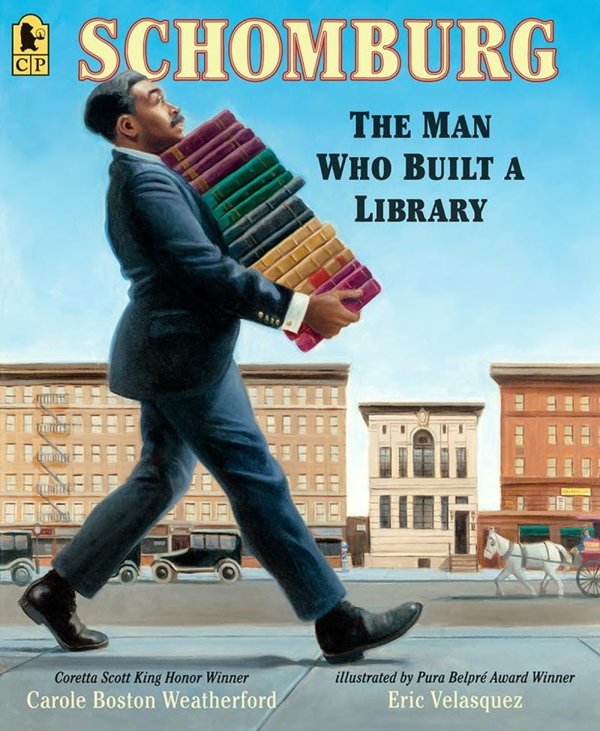
by Carole Boston Weatherford
Picture book · ages 6–10 · grades 1–5 · 780L
Weatherford's verse and Jamila Rowser's painterly illustrations make Schomburg's archival mission feel urgent and beautiful—kids understand he built something essential, not just collected things.
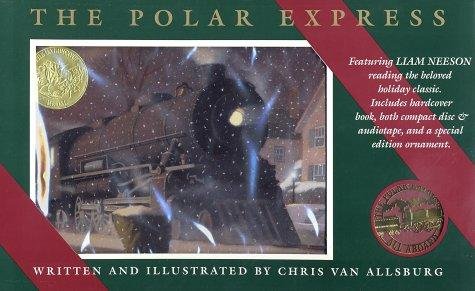
by Chris Van Allsburg
Picture book · ages 4–8 · grades K–3 · 740L
Van Allsburg's most enduring picture book — the prose is literary and the illustrations carry genuine atmosphere; read it aloud to catch the layered melancholy beneath the magic.
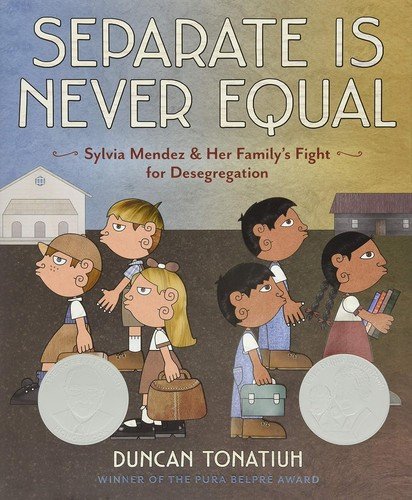
by Duncan Tonatiuh
Picture book · ages 6–10 · grades 1–5 · 680L
A landmark picture-book biography that introduces segregation and civil rights through a specific, winnable legal fight—rare to find this historically significant and emotionally grounded for early elementary.
Complementing on honesty
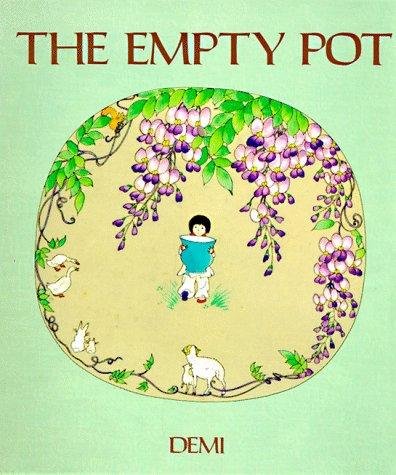
by Demi
Picture book · ages 4–8 · grades K–3 · 620L
A parable-like picture book where honesty isn't rewarded with comfort but with something harder and deeper — the Emperor chooses Ping precisely because he alone refuses to pretend.
We'd skip — for now
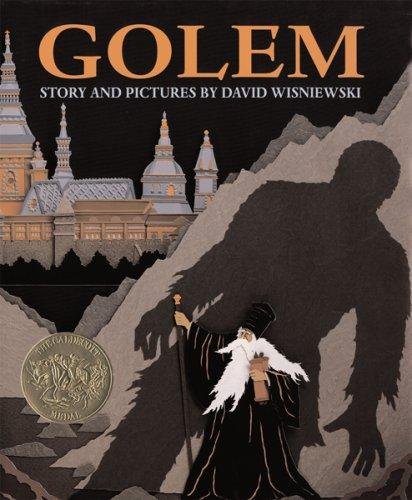
by David Wisniewski
A step up — ages 8–12 · grades 3–7
Skip it if your child has been unsettled by depictions of social exclusion or prejudice; the portrayal of anti-Semitic mob violence is not graphic but is central and emotionally weighted.
