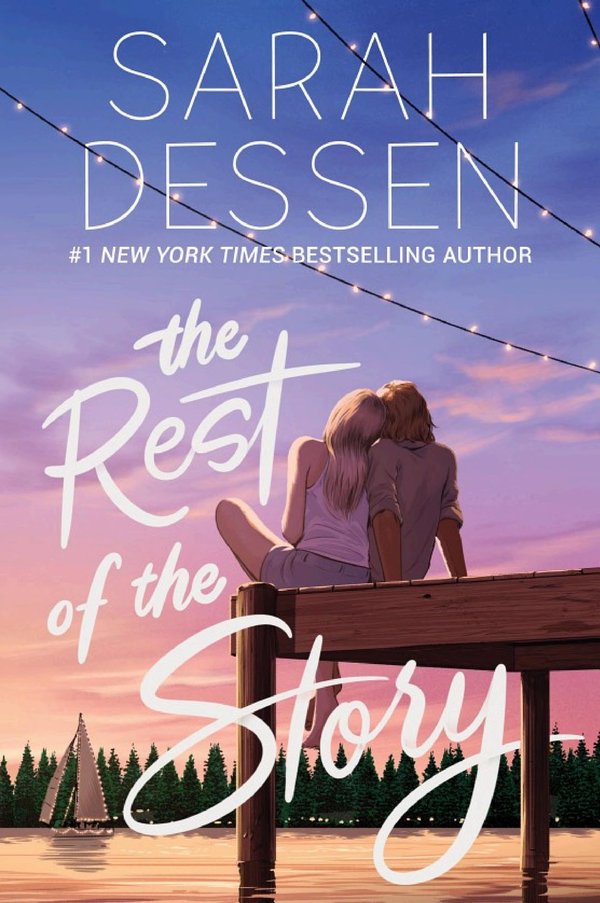
The rest of the story
by Sarah Dessen
Young adult · ages 14–18 · grades 9–12 · 800L · 2019
Dessen's warmest book on identity and belonging—funny, emotionally honest, and unfussy about the complexity of having two families.
For a reader who just finished
after Rules of the Reunion by Stephanie Moses · ages 12–16
Young adult · grades 7–11 · 850L
A sharp, emotionally intelligent look at sibling rivalry that avoids the usual 'they were always best friends' trope in favor of genuine friction and repair.
Same style
by Sarah Dessen
Young adult · ages 14–18 · grades 9–12 · 800L · 2019
Dessen's warmest book on identity and belonging—funny, emotionally honest, and unfussy about the complexity of having two families.
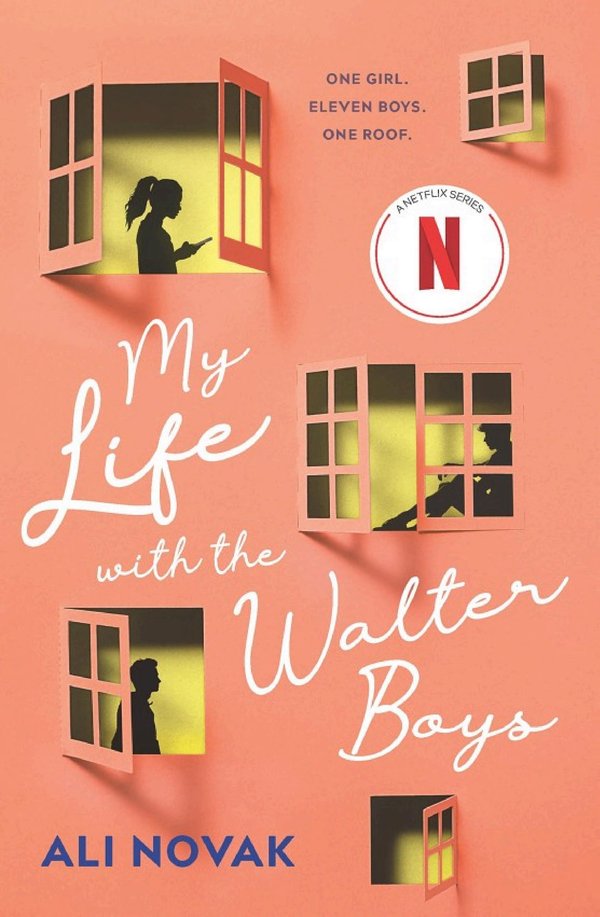
by Ali Novak
Young adult · ages 14–18 · grades 9–12 · 790L · 2014
A genuinely warm family-found story that sidesteps orphan-savior tropes; Cole's grief is real, the brothers feel like real people (not perfect love interests), and the ranch setting grounds the chaos.
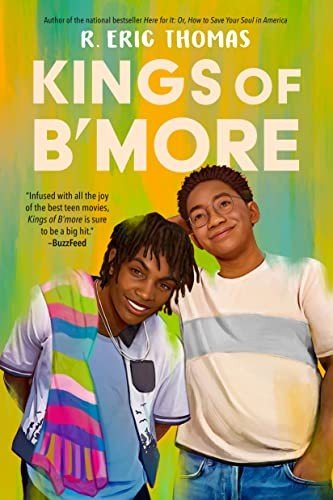
Young adult · ages 14–18 · grades 9–12 · 850L · 2022
Funny, smart, and emotionally generous—Thomas gives queer Black teens a protagonist who feels like a real person, not a representation, with a Baltimore neighborhood that's as vivid as the characters.
Stretch them up
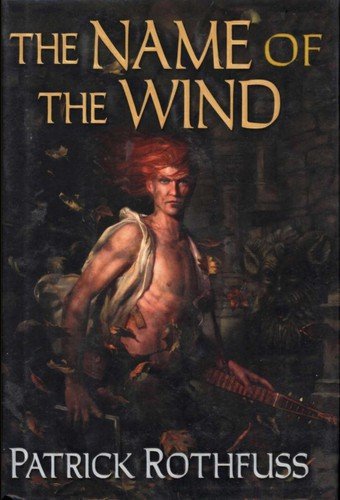
Young adult · ages 14–18 · grades 9–12 · 1050L · 2024
A genuine doorstop fantasy that respects teen readers' intelligence — ornate prose, deep worldbuilding, and a narrator whose unreliability becomes part of the pleasure.
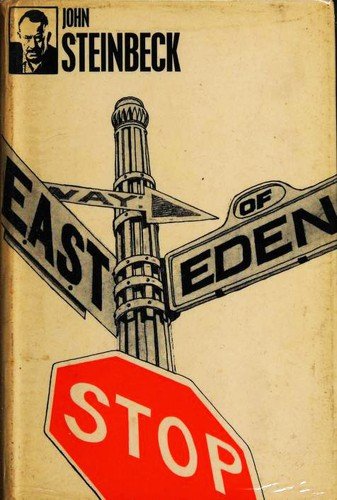
Young adult · 1050L · 1952
The most philosophically rigorous American family saga; demands intellectual maturity but rewards it with a genuinely moral argument about choice and human nature that lands harder at 15–16 than at 12.
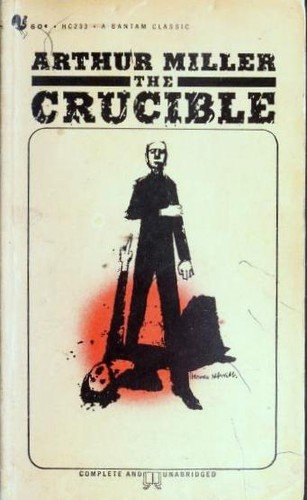
Young adult · ages 14–18 · grades 9–12 · 1050L
A play about mass hysteria and coerced confession that lands harder after every election cycle — teens wrestle with why good people participate in injustice, and it's the rare YA text that trusts them with that complexity.
Complementing on perspective taking
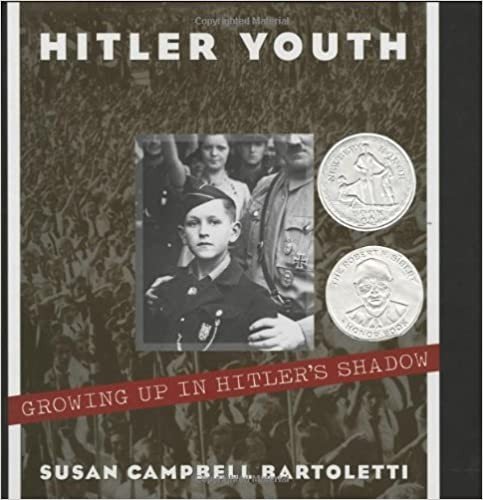
Nonfiction · age 10+ · grade 5+ · 1050L · 2004
The most honest, unflinching introduction to how propaganda works on young minds—essential reading for understanding WWII and how democracies stay vigilant.
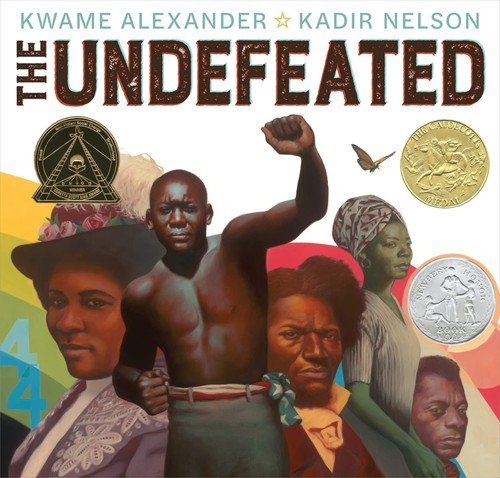
Verse novel · ages 10–14 · grades 5–9 · 620L · 2019
A landmark book that uses verse to make 500 years of Black American history personal and urgent—kids understand their own power within a larger story.
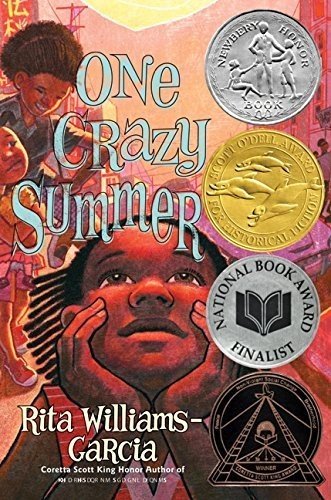
Middle grade · ages 8–12 · grades 3–7 · 750L · 2019
A richly layered book about sisterhood, identity, and reckoning with parental complexity that treats kids' emotional intelligence seriously—the ending doesn't tidy up, which is exactly why it stays with them.
We'd skip — for now
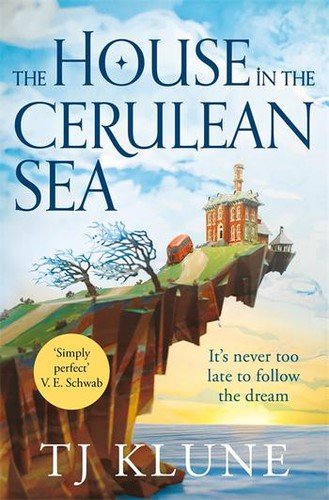
by T.J. Klune
A step up — ages 16–18 · grades 11–12
Skip it if your teen is not ready for a slow-burn queer romance with explicit-enough content to confirm sexual orientation, or if they're sensitive to state violence and systemic cruelty as plot drivers (the gnomes' persecution arc is central).