For a reader who just finished
Books like Dogsong
after Dogsong by Gary Paulsen · ages 10–14
Same style
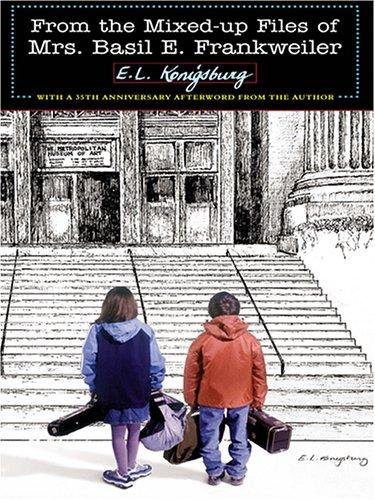
by E. L. Konigsburg
Middle grade · ages 8–12 · grades 3–7 · 790L
A book that trusts kids to be intellectually bored and emotionally complex—Claudia's runaway isn't melodrama, it's a quiet reckoning with identity that lands harder on rereads.
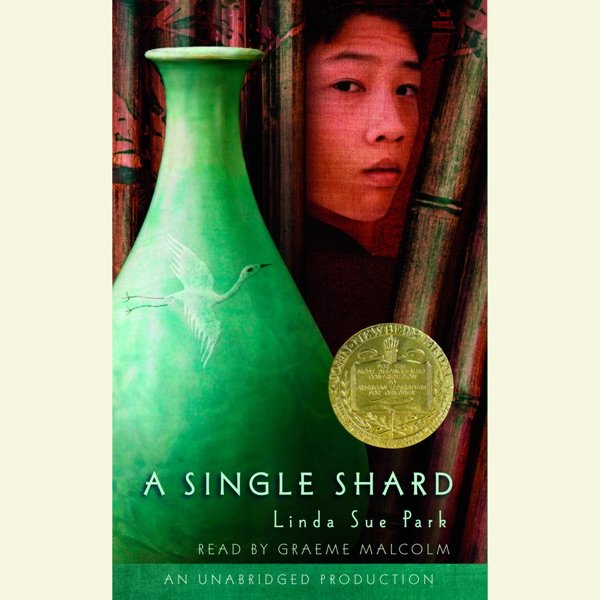
by Linda Sue Park
Middle grade · ages 10–14 · grades 5–9 · 740L
A Newbery winner that actually deserves it—luminous, patient, and utterly unsentimental about a boy's quest to master celadon pottery in medieval Korea; reads like a folktale and hits hardest on the second read.
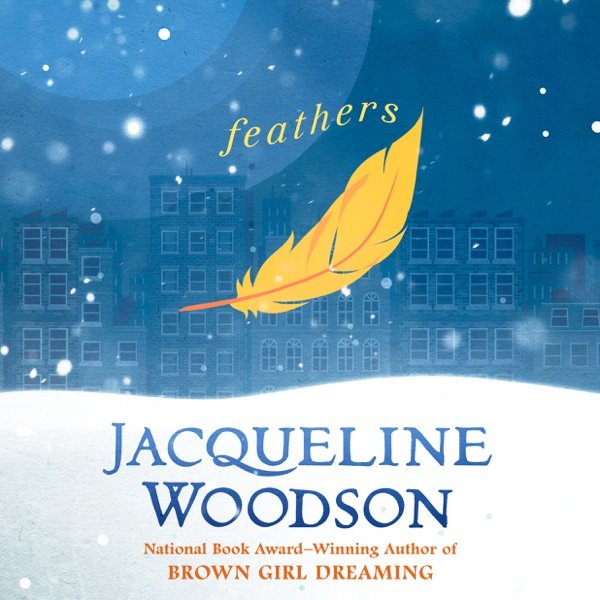
by Jacqueline Woodson
Middle grade · ages 8–12 · grades 3–7 · 720L
A quiet masterpiece that teaches perspective-taking and racial complexity without didacticism—Woodson lets four voices and a 1970s Brooklyn classroom do the work.
Stretch them up
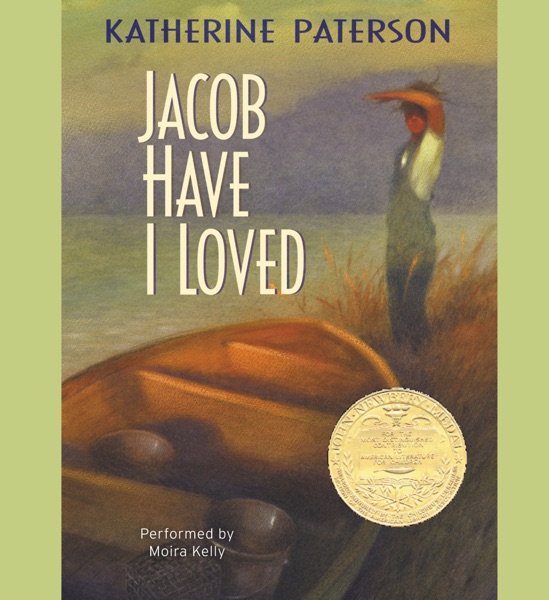
by Katherine Paterson
Middle grade · ages 10–14 · grades 5–9 · 820L
A Newbery winner that actually deserves it—Paterson writes sibling resentment and reconciliation with such honesty that kids recognize their own families, and the 1941 Chesapeake setting carries real historical weight without preaching.
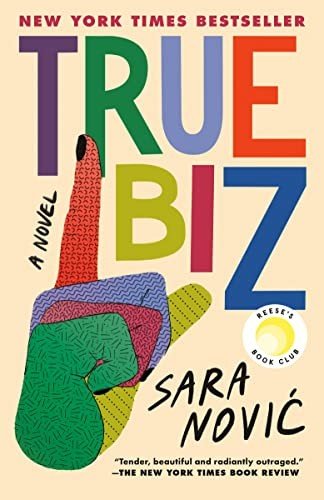
by Sara Nović
Middle grade · ages 10–14 · grades 5–9 · 820L
A genuinely original YA-crossover novel that treats Deaf culture as protagonist, not obstacle—kids learn to think in sign while wrestling with identity questions that feel urgent, not didactic.
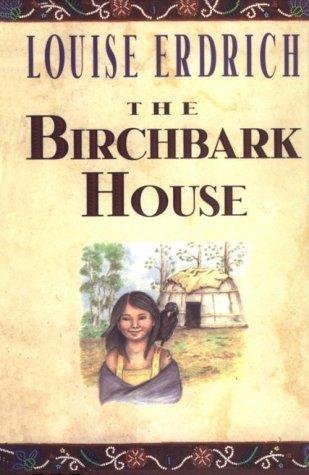
by Louise Erdrich
Middle grade · ages 8–12 · grades 3–7 · 820L
Erdrich's portrait of Omakayas and her family is unsentimental and alive—the smallpox arc is genuinely tragic, the cultural detail is precise, and a child reader walks away understanding Ojibwe life as rich and coherent, not distant or exotic.
Complementing on a good life
by E. L. Konigsburg
Middle grade · ages 8–12 · grades 3–7 · 790L
A book that trusts kids to be intellectually bored and emotionally complex—Claudia's runaway isn't melodrama, it's a quiet reckoning with identity that lands harder on rereads.
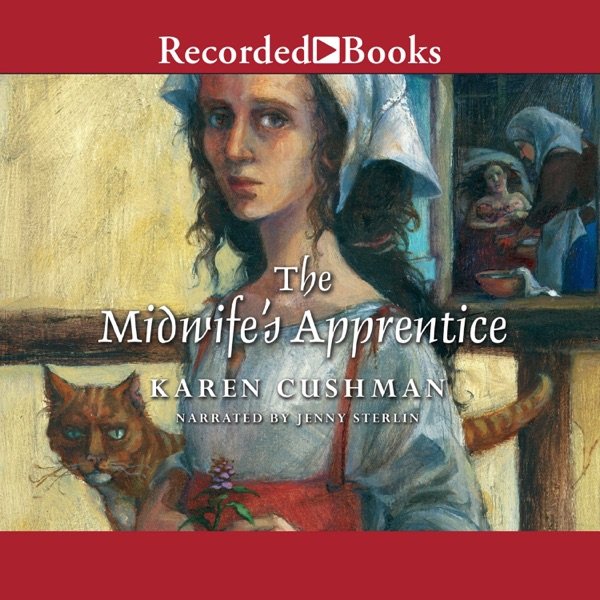
by Karen Cushman
Middle grade · ages 10–14 · grades 5–9 · 780L
A Newbery winner that earns it: a girl with no name becomes herself through honest work and adult recognition; the medieval setting and childbirth apprenticeship feel urgent and real, not decorative.
by Sara Nović
Middle grade · ages 10–14 · grades 5–9 · 820L
A genuinely original YA-crossover novel that treats Deaf culture as protagonist, not obstacle—kids learn to think in sign while wrestling with identity questions that feel urgent, not didactic.
We'd skip — for now
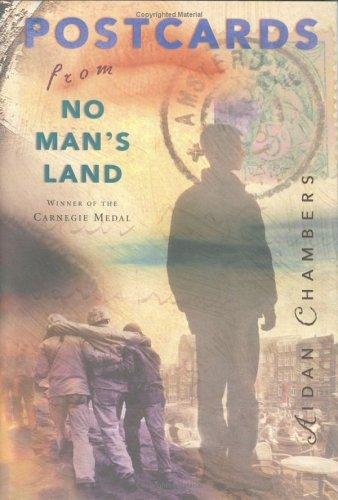
by Aidan Chambers
A step up — ages 14–18 · grades 9–12
Skip it if your teen is looking for plot-driven momentum—this is contemplative and told through letters, postcards, and fragmented memory, not conventional narrative arc.
