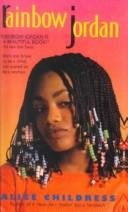
Rainbow Jordan
Middle grade · ages 10–14 · grades 5–9 · 750L · 1999
A quietly powerful debut about a girl waiting for her mother who never shows up—Childress writes with unflinching tenderness about what kids actually do when adults disappoint them.
For a reader who just finished
after Radiant Girl by Ronda Taylor · ages 8–12
Middle grade · grades 3–7 · 750L
A gentle, character-driven look at neurodivergence that prioritizes emotional truth over plot twists, making it a strong tool for empathy-building.
Same style
Middle grade · ages 10–14 · grades 5–9 · 750L · 1999
A quietly powerful debut about a girl waiting for her mother who never shows up—Childress writes with unflinching tenderness about what kids actually do when adults disappoint them.
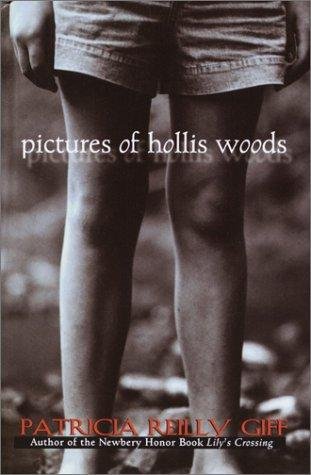
Middle grade · ages 8–12 · grades 3–7 · 750L · 2002
A quiet, unflinching portrait of foster-care experience that doesn't sentimentalize; Hollis's voice and her drawings carry the emotional weight of a child learning to trust again.
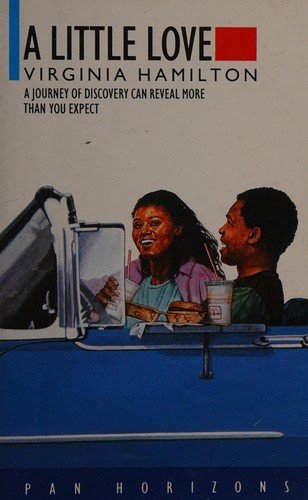
Middle grade · ages 10–14 · grades 5–9 · 780L · 1989
Virginia Hamilton's quiet masterpiece about a foster girl learning to accept love — difficult and real without being heavy-handed, and her prose rewards re-reading.
Stretch them up
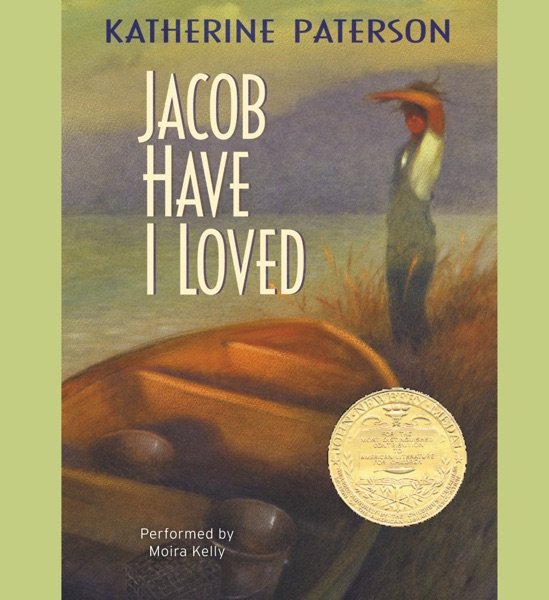
Middle grade · ages 10–14 · grades 5–9 · 820L · 2009
A Newbery winner that actually deserves it—Paterson writes sibling resentment and reconciliation with such honesty that kids recognize their own families, and the 1941 Chesapeake setting carries real historical weight without preaching.

Middle grade · ages 10–14 · grades 5–9 · 820L
Pennypacker writes a protagonist who is disabled without apology or inspiration-porn—the lions matter as much as the girl, and both demand respect.
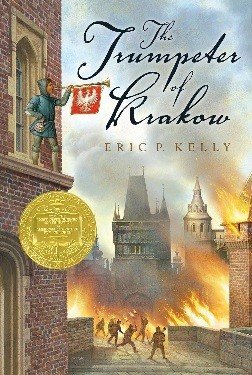
Middle grade · ages 8–12 · grades 3–7 · 800L · 1992
A Newbery winner that feels genuinely historical without being a slog — the mystery of the trumpet and the boy's quiet bravery make it memorable for kids who can handle older prose.
Complementing on naming feelings
Verse novel · ages 6–10 · grades 1–5 · 520L · 1998
A masterwork of bilingual wordplay that reads aloud with infectious energy—kids feel seen in the code-switching, and the poems actively teach that two languages in one mind is a superpower, not a problem.
Middle grade · ages 8–12 · grades 3–7 · 740L · 1999
A watershed book for most kids who read it—not because it's cheerful, but because it takes grief seriously and shows that imagination can be both escape and source of real connection.
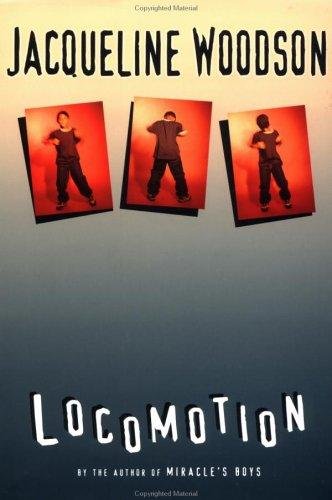
Verse novel · ages 9–12 · grades 4–7 · 680L · 2003
A masterwork of grief told in verse — Woodson's spare, exact language lets kids name loss they may not have words for, and the ending models hope without erasure.
We'd skip — for now
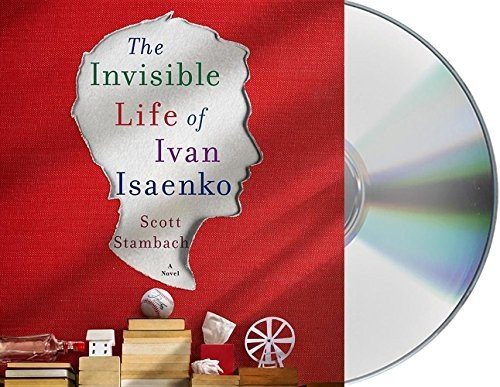
by Scott Stambach
A step up — ages 12–18 · grades 7–12
Skip it if your child has been traumatized by institutional settings, neglect, or disability depictions, or if you're looking for gentle, uplifting disability rep—Ivan's world is bleak and his agency is real but circumscribed.