For a reader who just finished
Books like Queer Ducks (and Other Animals): The Natural World of Animal Sexuality
after Queer Ducks (and Other Animals): The Natural World of Animal Sexuality by Eliot Schrefer · ages 8–12
Same style
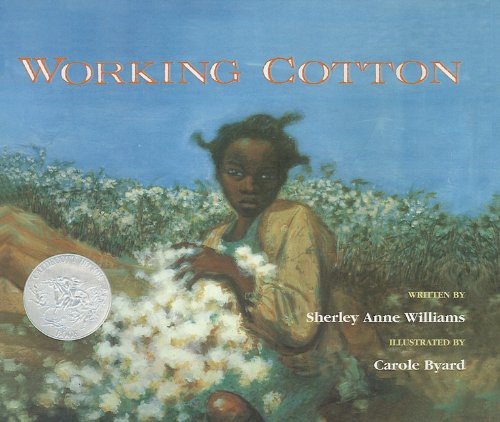
by Carole Byard
Picture book · ages 6–10 · grades 1–5 · 620L
Unflinching, lyrical, and told in the protagonist's own voice — this is the rare picture book that doesn't sentimentalize poverty but doesn't rob children of it either, and Carole Byard's collage art is extraordinary.
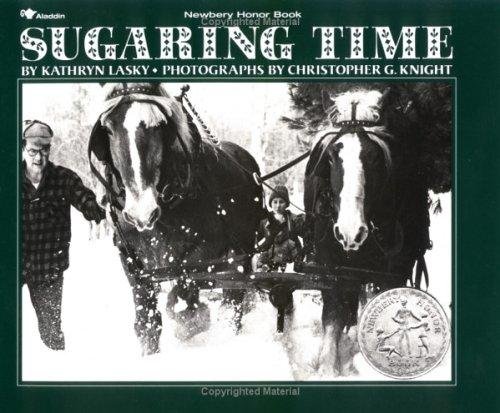
by Kathryn Lasky
Picture book · ages 5–9 · grades K–4 · 620L
A documentary-style picture book that makes process literacy exciting — kids grasp the whole arc from tree to table, and Lasky's matter-of-fact voice models scientific thinking without preaching.
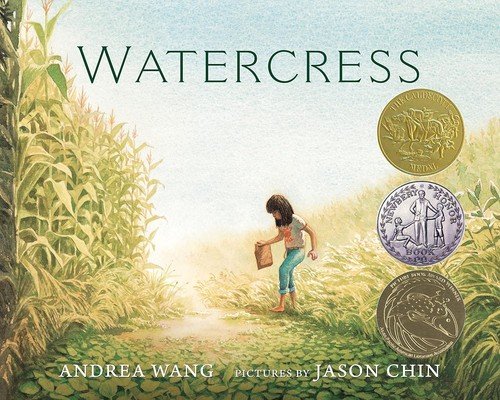
by Andrea Wang
Picture book · ages 5–9 · grades K–4 · 620L
Quietly luminous: a picture book about immigration that doesn't explain or apologize, just lets a child's joy in watercress and family translate the whole story.
Stretch them up

by Teresa Robeson
Picture book · ages 8–12 · grades 3–7 · 820L
A rigorous, visually compelling introduction to a physicist whose breakthrough experiment changed nuclear physics—told without condescension or sentimentality.
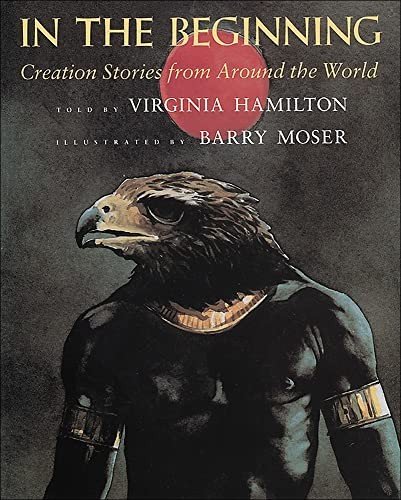
by Virginia Hamilton
Picture book · ages 5–9 · grades K–4 · 820L
Gorgeous, sophisticated, and genuinely restful — Hamilton's prose elevates world mythology without condescension, and Barry Moser's illustrations deepen the dreamlike authority of each story.
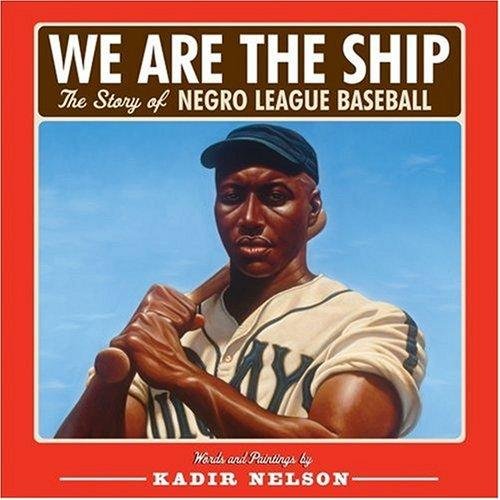
by Kadir Nelson
Picture book · ages 8–12 · grades 3–7 · 800L
A masterpiece of children's history — Nelson's paintings are stunning, the prose is lyrical without talking down, and the book doesn't soften racism but shows Black excellence thriving despite it.
Complementing on difference
no coverby Young Children
Picture book
A straightforward, unsentimental look at deaf musicians making art on their own terms — rare representation that doesn't lean on feel-good tropes.
by Young Children
Picture book
A straightforward, unsentimental look at deaf musicians making art on their own terms — rare representation that doesn't lean on feel-good tropes.
by Young Children
Picture book
A straightforward, unsentimental look at deaf musicians making art on their own terms — rare representation that doesn't lean on feel-good tropes.
We'd skip — for now
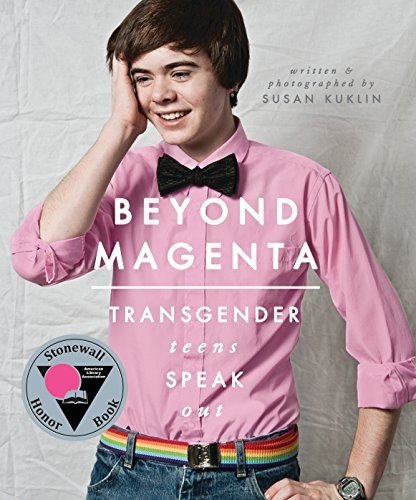
by Susan Kuklin
A step up — ages 14–18 · grades 9–12
Skip it if your family is not ready to discuss gender identity, sexuality, and the lived experience of discrimination; this book does not shy from those conversations.
