Drama Mama and the Fortune Cookie Club Book 4
by Angela Hatch
Middle grade · ages 8–12 · grades 3–7 · 750L · 2021
A lighthearted, low-stakes read that captures the specific chaos of middle-grade social life without any real peril or heavy themes.
For a reader who just finished
after Peter Powers and His Fantastic Family! by Kent Clark · ages 8–12
Middle grade · grades 3–7 · 750L
A lighthearted superhero parody that works well for reluctant readers who find traditional heroics too serious, though the humor is more situational than witty.
Same style
by Angela Hatch
Middle grade · ages 8–12 · grades 3–7 · 750L · 2021
A lighthearted, low-stakes read that captures the specific chaos of middle-grade social life without any real peril or heavy themes.
by Suzanne Purvis
Middle grade · ages 8–12 · grades 3–7 · 750L · 2023
A lighthearted slice-of-life that works well for reluctant readers who find standard chapter books too dense.
by Stacey Lee
Middle grade · ages 8–12 · grades 3–7 · 750L · 2023
A charming and funny look at the specific chaos of being a kid in a traditional household, with just enough absurdity to keep it from feeling like a lecture.
Stretch them up
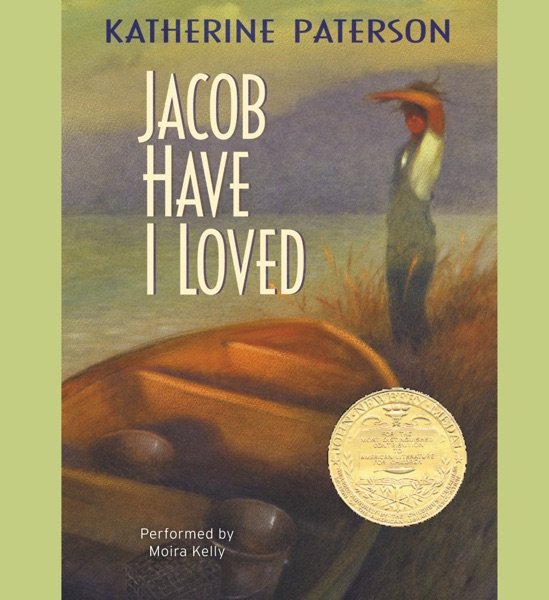
Middle grade · ages 10–14 · grades 5–9 · 820L · 2009
A Newbery winner that actually deserves it—Paterson writes sibling resentment and reconciliation with such honesty that kids recognize their own families, and the 1941 Chesapeake setting carries real historical weight without preaching.
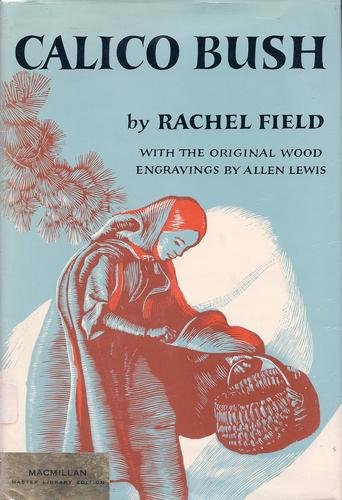
by Rachel Field
Middle grade · ages 10–14 · grades 5–9 · 820L · 1970
A Newbery winner that deserves recovery—rich, unsentimental historical fiction about a girl learning to belong after loss, with prose that holds up and a frontier that feels real, not romanticized.
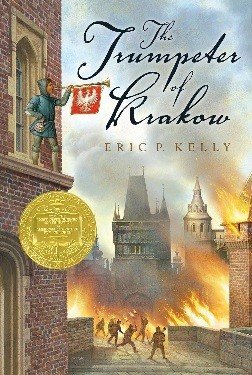
Middle grade · ages 8–12 · grades 3–7 · 800L · 1992
A Newbery winner that feels genuinely historical without being a slog — the mystery of the trumpet and the boy's quiet bravery make it memorable for kids who can handle older prose.
Complementing on naming feelings
Verse novel · ages 6–10 · grades 1–5 · 520L · 1998
A masterwork of bilingual wordplay that reads aloud with infectious energy—kids feel seen in the code-switching, and the poems actively teach that two languages in one mind is a superpower, not a problem.
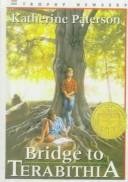
Middle grade · ages 8–12 · grades 3–7 · 740L · 1999
A watershed book for most kids who read it—not because it's cheerful, but because it takes grief seriously and shows that imagination can be both escape and source of real connection.
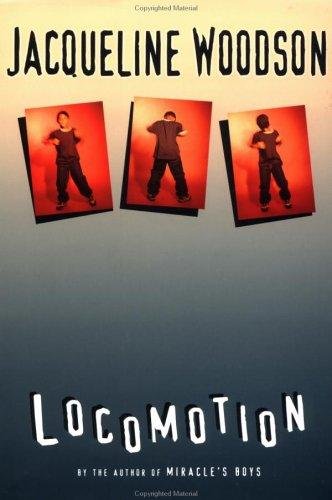
Verse novel · ages 9–12 · grades 4–7 · 680L · 2003
A masterwork of grief told in verse — Woodson's spare, exact language lets kids name loss they may not have words for, and the ending models hope without erasure.
We'd skip — for now
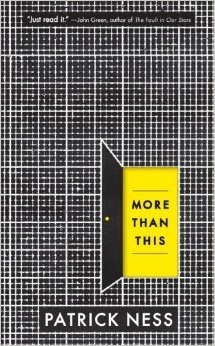
by Patrick Ness
A step up — ages 12–18 · grades 7–12
Skip it if your child has unprocessed grief around death, or if ambiguous/surreal endings trigger anxiety rather than intrigue; the book refuses easy answers.