For a reader who just finished
Books like Persepolis
after Persepolis by Marjane Satrapi · age 13+
Same style
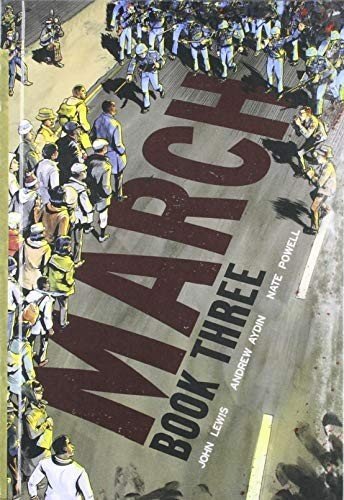
by John Lewis
Graphic novel · age 10+ · grade 5+ · 680L
The most rigorous and visually powerful civil-rights graphic narrative for middle grade — Lewis's firsthand account of nonviolent resistance paired with Nate Powell's unflinching art makes this essential, not decorative.
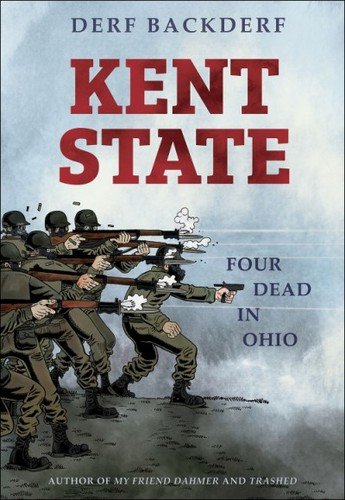
by Derf Backderf
Graphic novel · age 14+ · grade 9+ · 720L
The definitive graphic account of May 4, 1970—Backderf's documentary precision and restraint make it the rare history book a teenager will actually finish and remember.
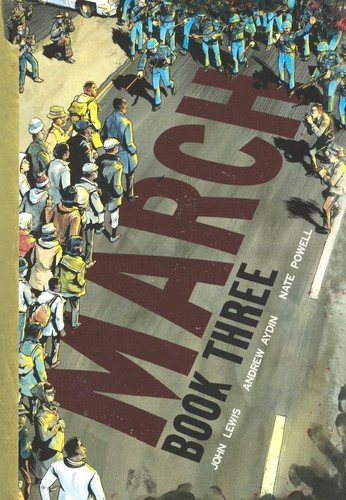
by Nate Powell
Graphic novel · age 13+ · grade 8+ · 520L
Essential graphic journalism for teens: Powell documents Ferguson with unflinching clarity and deep humanity, showing how young people process and act on systemic injustice—not a comfortable read, but the most honest account for this age.
Stretch them up
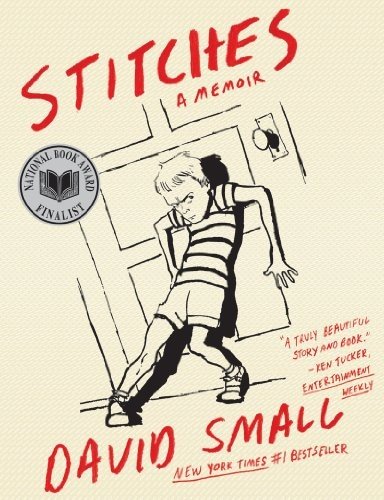
by David Small
Graphic novel · age 13+ · grade 8+ · 800L
A profound graphic memoir about deafness, family violence, and survival—too mature for under 12, but a rare book that teaches empathy through unflinching honesty rather than sentiment.
Complementing on perspective taking
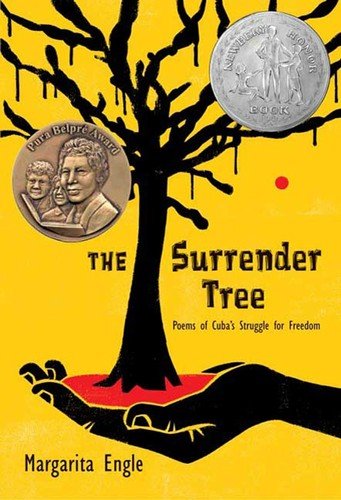
by Margarita Engle
Verse novel · ages 10–14 · grades 5–9 · 820L
A Newbery winner that uses verse to make a hard history emotionally immediate—kids who think they hate poetry often read this in one sitting, and it's the rare war book that makes 10-year-olds feel the moral weight without trauma.

by Aranka Siegal
Nonfiction · ages 10–14 · grades 5–9 · 840L
A masterwork of Holocaust memoir written in a child's voice—unflinching about fear and loss, but grounded in the texture of ordinary summers, school, and family that make the encroaching darkness undeniable.
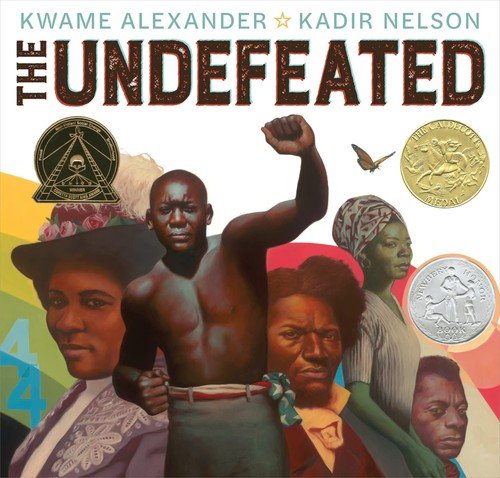
by Kwame Alexander
Verse novel · ages 10–14 · grades 5–9 · 620L
A landmark book that uses verse to make 500 years of Black American history personal and urgent—kids understand their own power within a larger story.
We'd skip — for now
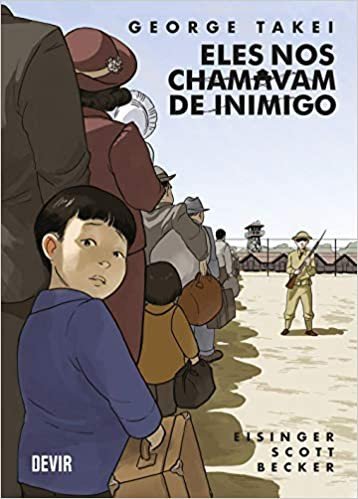
by George Takei
A step up — ages 13–18 · grades 8–12
Skip it if your family is not ready to discuss institutional racism, incarceration, or loss of civil rights; the emotional weight is real and requires follow-up conversation.
