For a reader who just finished
Books like March: Book Three
after March: Book Three by John Lewis · age 10+
Same style
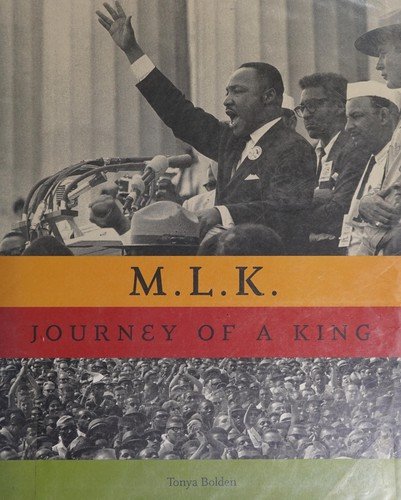
by Tonya Bolden
Nonfiction · ages 8–12 · grades 3–7 · 820L
The most readable MLK biography for this age — Bolden's accessible prose and archival illustrations make his humanity and moral reasoning vivid without sanitizing the violence or grief he faced.
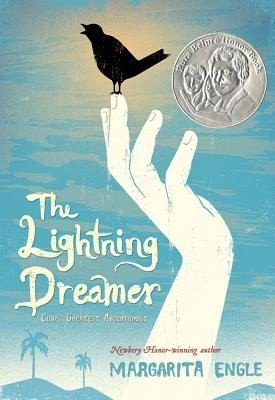
by Margarita Engle
Verse novel · ages 10–14 · grades 5–9 · 720L
A lyrical, unflinching introduction to a historical hero most American curricula omit—the verse form makes Plácido's own words sing without softening the stakes of abolition or his execution.
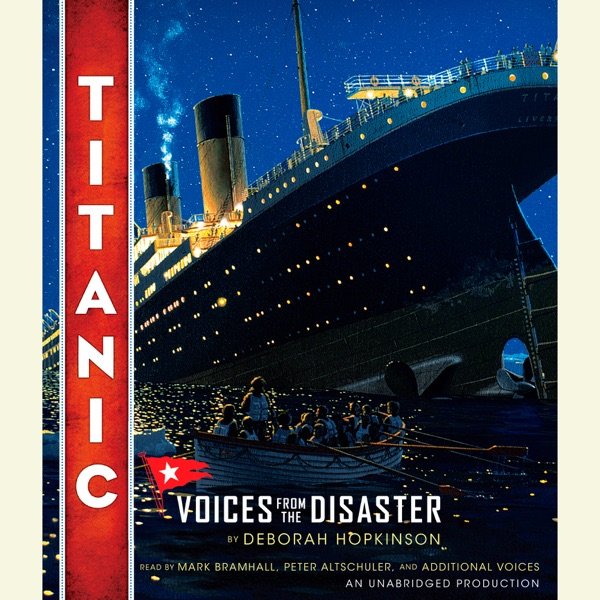
by Deborah Hopkinson
Nonfiction · ages 9–12 · grades 4–7 · 680L
Hopkinson's mosaic of real voices makes the Titanic human in a way no single narrative can—kids grasp both the tragedy and the class inequality that sealed third-class fates in minutes.
Complementing on courage
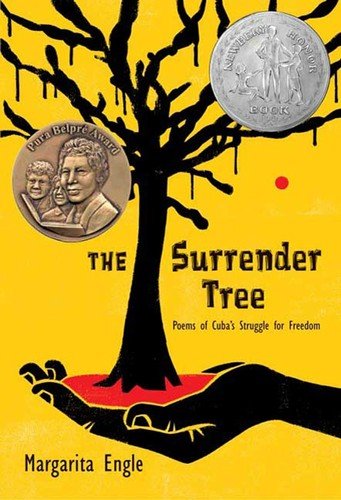
by Margarita Engle
Verse novel · ages 10–14 · grades 5–9 · 820L
A Newbery winner that uses verse to make a hard history emotionally immediate—kids who think they hate poetry often read this in one sitting, and it's the rare war book that makes 10-year-olds feel the moral weight without trauma.
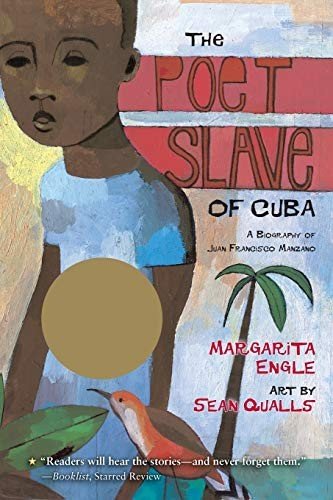
by Margarita Engle
Verse novel · ages 10–14 · grades 5–9 · 780L
A luminous, necessary biography in verse—Engle's form mirrors Manzano's own claim to poetry as an act of resistance, and the reading challenges are worth the emotional and historical weight.
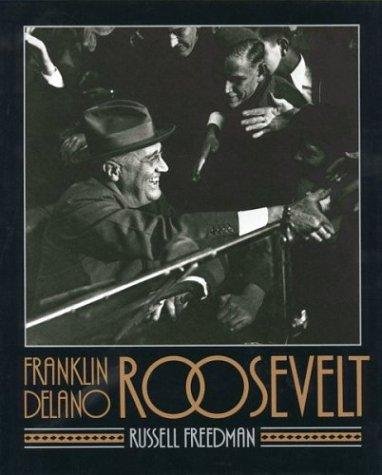
by Russell Freedman
Nonfiction · ages 9–12 · grades 4–7 · 820L
Freedman's accessible, photo-rich biography makes FDR's disability and determination feel immediate without sentimentality; kids grasp both the man and the era.
We'd skip — for now
by Gerard Way
A step up — ages 13–18 · grades 8–12
Skip it if your teen is spooked by body horror or sustained images of violence — the Apocalypse Twins subplot has some visceral panels, and a major character's death is graphically rendered.
