For a reader who just finished
Books like Peppe the Lamplighter
after Peppe the Lamplighter by Ted Lewin · ages 4–8
Same style
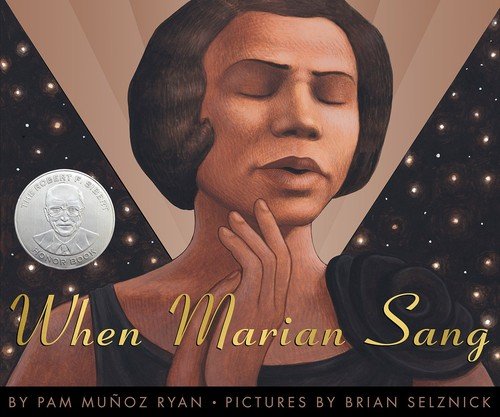
by Pam Muñoz Ryan
Picture book · ages 6–10 · grades 1–5 · 620L
A luminous picture-book biography that treats racism and exclusion with age-appropriate honesty while centering Marian Anderson's power and voice—not her victimhood.
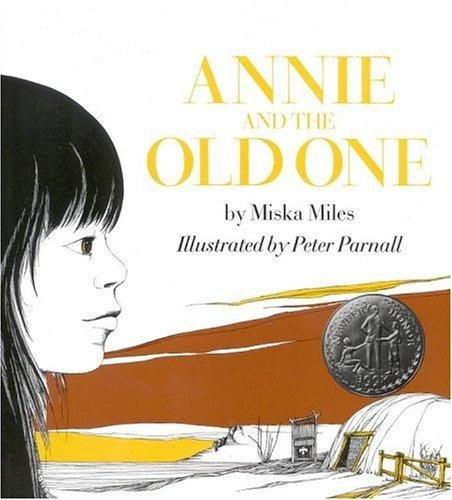
by Miska Miles
Picture book · ages 5–9 · grades K–4 · 620L
A quietly devastating and honest book about mortality—the Old One's acceptance and the weaving metaphor stick with kids for years, and it doesn't sugarcoat grief or pretend death is anything other than what it is.
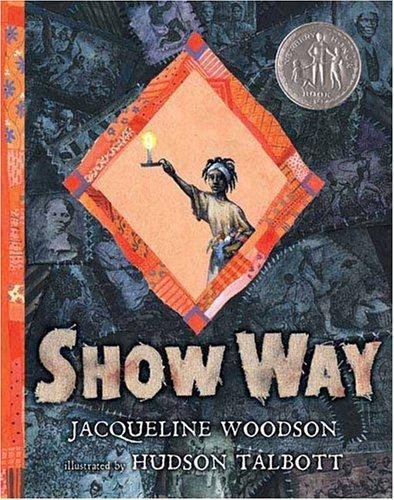
by Jacqueline Woodson
Picture book · ages 5–10 · grades K–5 · 620L
Woodson's poetry and Hudson's illustrations transform quilting into a living metaphor for inherited strength across slavery, Jim Crow, and present-day activism—dense enough for parent-child discussion, lyrical enough to reread.
Stretch them up
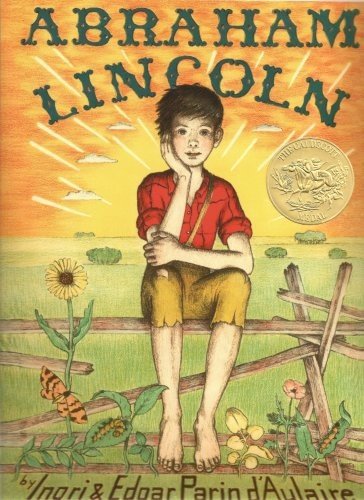
by Ingri and Edgar Parin d'Aulaire
Picture book · ages 6–10 · grades 1–5 · 800L
The d'Aulaires' Lincoln is a masterpiece—sumptuous illustrations and narrative prose that makes a difficult life feel epic and human; kids absorb both the story and a sense of why Lincoln matters.
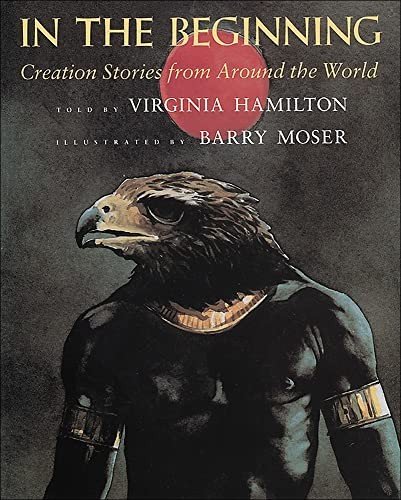
by Virginia Hamilton
Picture book · ages 5–9 · grades K–4 · 820L
Gorgeous, sophisticated, and genuinely restful — Hamilton's prose elevates world mythology without condescension, and Barry Moser's illustrations deepen the dreamlike authority of each story.
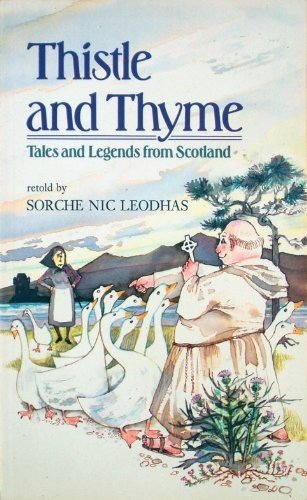
by Sorche Nic Leodhas
Picture book · ages 6–10 · grades 1–5 · 750L
Nic Leodhas is a master of folkloric voice—these Scottish tales are funny, strange, and told with a cadence that makes them feel lived-in; read aloud for maximum enchantment.
Complementing on kindness
by Ashley Bryan
Picture book · ages 4–8 · grades K–3 · 620L
Ashley Bryan's illustrations and oral storytelling rhythm make these Ghanaian and West African tales unforgettable; the humor lands on multiple levels and kids absorb cultural worldview without sermon.
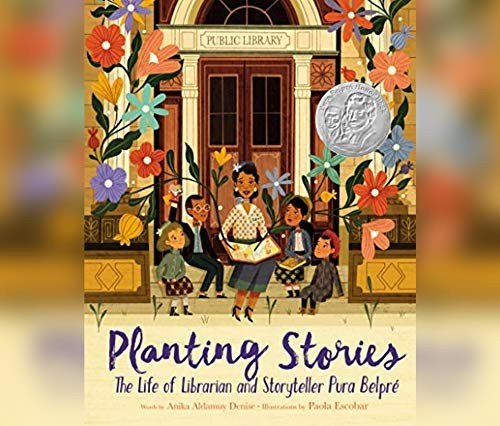
by Anika Aldamuy Denise
Picture book · ages 6–10 · grades 1–5 · 620L
A biography that teaches kids why representation matters—Pura's quiet courage to bring Puerto Rican stories into libraries becomes a model for standing up for the overlooked.
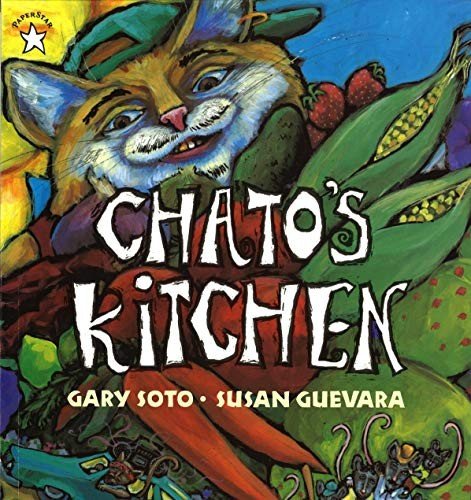
by Susan Guevara
Picture book · ages 4–8 · grades K–3 · 520L
A genuinely charming meditation on unexpected friendship and cultural warmth—Guevara's art captures East LA texture, and the predator-prey friendship subversion delights without preaching.
We'd skip — for now
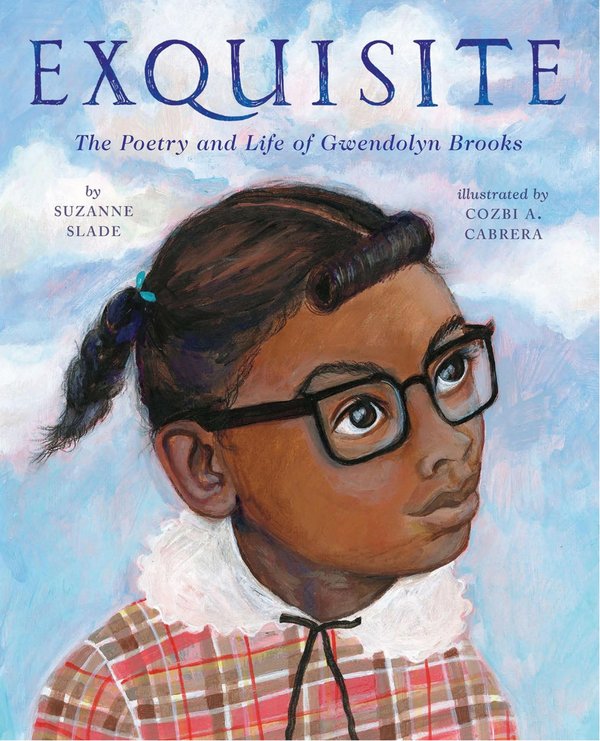
by Cozbi A. Cabrera
A step up — ages 8–12 · grades 3–7
Skip it if your child is uncomfortable with discussions of racial inequality or segregation — the book treats these as real forces Brooks had to navigate, not as background.
