
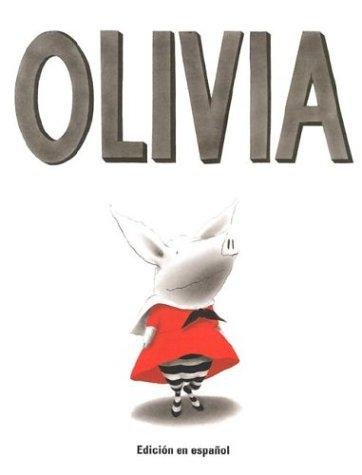
Olivia
by Ian Falconer
Picture book · ages 3–7 · grades K–2 · 300L
A character study disguised as a picture book: Olivia's theatrical self-absorption is unapologetic, hilarious, and oddly affirming for kids who aren't the quiet type.
For a reader who just finished
after Oh the Things You Can Do That Are Good for You! (Cat in the Hat Learning Library) by Dr. Seuss · ages 4–8
Same style
by Ian Falconer
Picture book · ages 3–7 · grades K–2 · 300L
A character study disguised as a picture book: Olivia's theatrical self-absorption is unapologetic, hilarious, and oddly affirming for kids who aren't the quiet type.
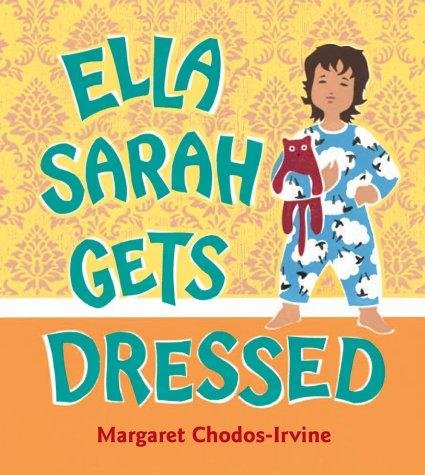
by Margaret Chodos-Irvine
Picture book · ages 3–7 · grades K–2 · 420L
A short, laugh-out-loud celebration of a young kid's right to look ridiculous—Chodos-Irvine's spot-on illustrations make the clashing prints funnier each reread.
by Maurice Sendak
Picture book · ages 4–8 · grades K–3 · 450L
Sendak's celebration of joyful chaos and rule-breaking play — the illustrations are the real story, and kids return to this one asking 'read it again?' because the strangeness feels like permission.
Stretch them up
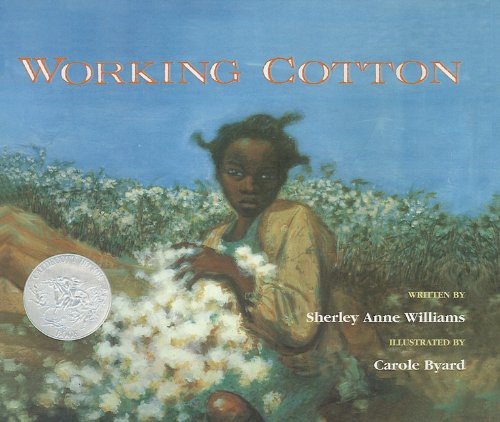
by Carole Byard
Picture book · ages 6–10 · grades 1–5 · 620L
Unflinching, lyrical, and told in the protagonist's own voice — this is the rare picture book that doesn't sentimentalize poverty but doesn't rob children of it either, and Carole Byard's collage art is extraordinary.
by Carole Boston Weatherford
Picture book · ages 6–10 · grades 1–5 · 620L
Weatherford's lyrical verse and Ekua Holmes's luminous watercolors create a deeply rooted meditation on family legacy and belonging — reads like a picture-book poem and lands with quiet power.
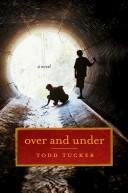
by Todd Tucker
Picture book · ages 4–8 · grades K–3 · 600L
A quiet masterpiece that teaches observation without a word of didacticism—kids naturally want to lift the flaps and peek, building real naturalist instincts.
Complementing on habit formation
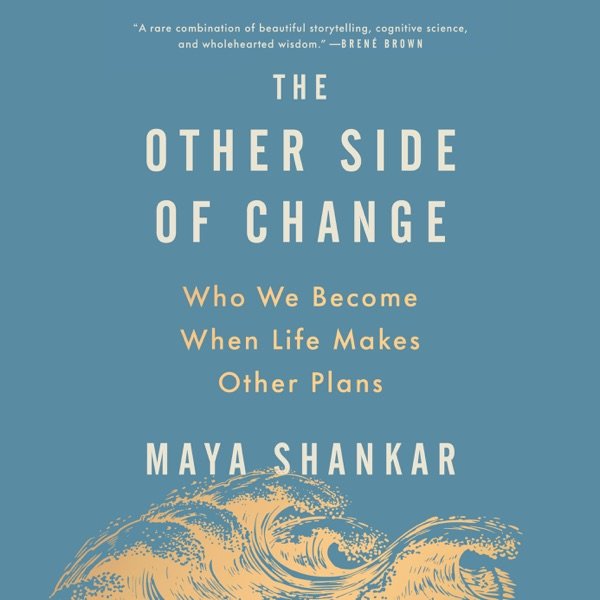
by Maya Shankar
Nonfiction · 1050L
A rare adult pop-psych book accessible to older middle-graders who like concrete strategies; best with a parent who can co-read and anchor examples to the kid's own goals.
We'd skip — for now
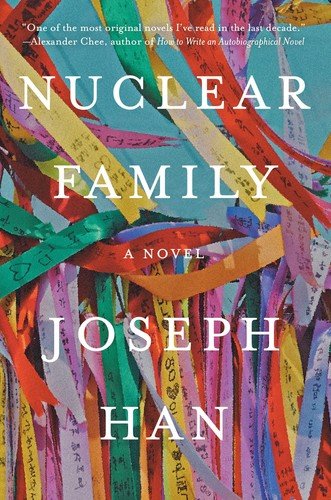
by Joseph Han
A step up — ages 8–12 · grades 3–7
Skip it if your child finds slapstick or family-dynamics humor mean-spirited rather than affectionate.