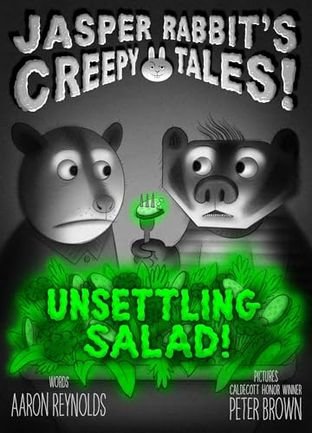
Unsettling Salad!
Picture book · ages 3–7 · grades K–2 · 420L
Aaron Reynolds doing what he does best—anthropomorphic vegetables in absurd situations with rhythm-driven silliness that lands better read aloud than on the page.
For a reader who just finished
after Mooses with Bazookas by S. D. Smith · ages 4–8
Picture book · grades K–3 · 450L
Pure visual chaos that works best as a read-aloud for kids who love silly animal antics, but it offers no real narrative depth or character growth.
Same style
Picture book · ages 3–7 · grades K–2 · 420L
Aaron Reynolds doing what he does best—anthropomorphic vegetables in absurd situations with rhythm-driven silliness that lands better read aloud than on the page.
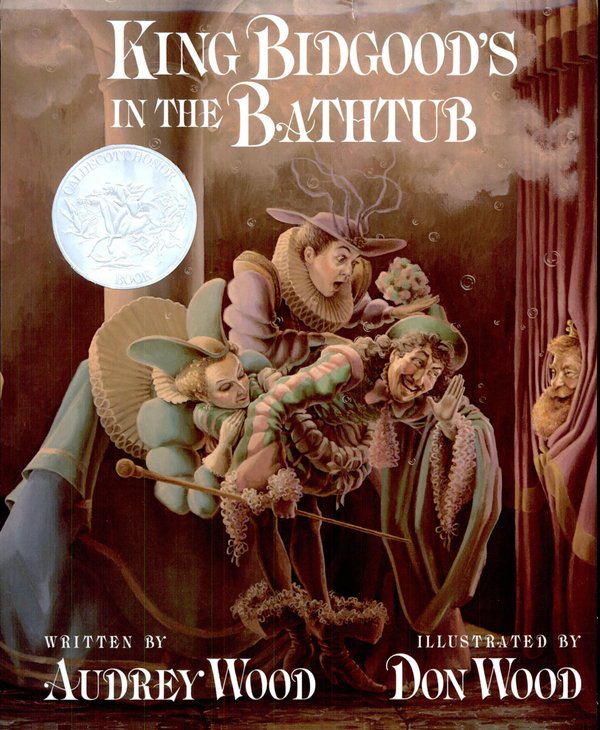
by Don Wood
Picture book · ages 4–8 · grades K–3 · 480L · 1985
Peak silly-for-silly's-sake: a king who won't leave his bathtub and the increasingly absurd attempts to coax him out — illustrated with dense, laugh-out-loud detail on every page.
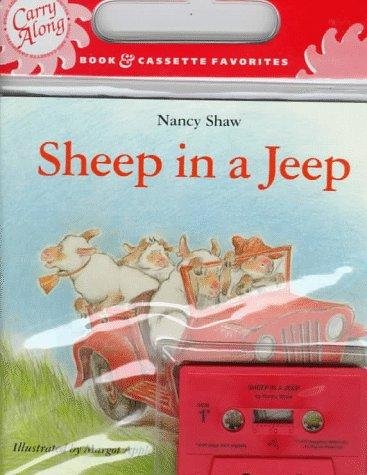
Picture book · ages 3–7 · grades K–2 · 420L · 1991
Pure slapstick absurdity—sheep in a jeep careen downhill with predictable, hilarious results; the rhyming text and rollicking pacing make it a read-aloud favorite.
Stretch them up
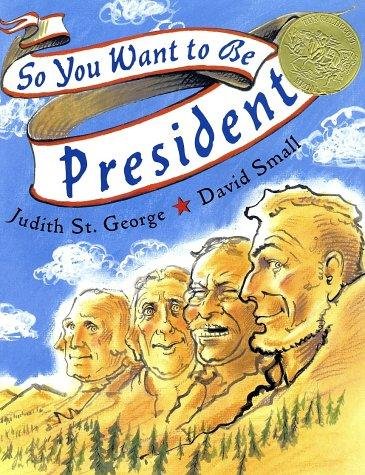
by David Small
Picture book · ages 4–8 · grades K–3 · 620L · 2000
A Caldecott winner that makes U.S. history genuinely funny — kids laugh at the absurdity while absorbing real facts about presidents in a format that's pure delight to reread.
by Leo Politi
Picture book · ages 4–8 · grades K–3 · 620L · 1999
A 1946 Newbery winner that holds up: lyrical, culturally grounded, and teaches patient observation without preaching—the swallows are a genuine draw, not a metaphor.
Picture book · ages 6–10 · grades 1–5 · 620L · 1978
A masterpiece of patient observation disguised as a picture book—the illustrations reward close, repeated looking and the text respects a child's intelligence without talking down.
Complementing on cause effect
Picture book · ages 4–8 · grades K–3 · 620L · 2006
A quietly haunting picture book that handles loss and separation without melodrama — the magic pebble is just a frame for the real story about wanting to come home.
Picture book · ages 4–8 · grades K–3 · 300L · 1971
A Caldecott winner that holds up: the circular chain-of-consequence plot is elegant enough to reward rereads, and Hogrogian's folk-art illustrations ground an abstract concept in a lived village.
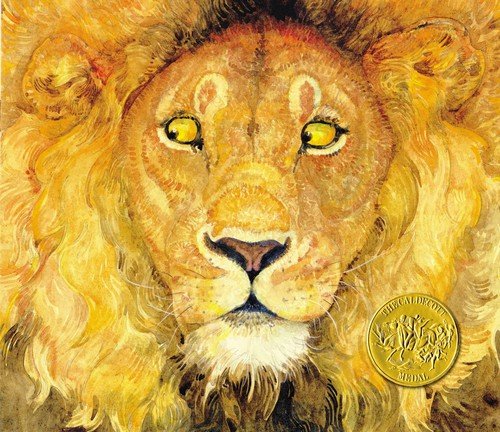
Picture book · ages 4–8 · grades K–3 · 2009
Pinkney's watercolor savanna is reason enough, but the spare text and visual storytelling make this Aesop adaptation feel both timeless and immediate — kids grasp the moral without being lectured.
We'd skip — for now
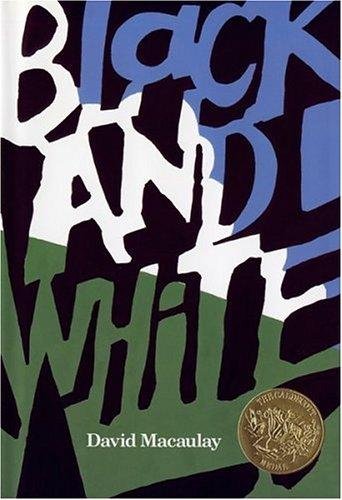
by David Macaulay
A step up — ages 8–12 · grades 3–7
Skip it if your child finds open-ended narratives frustrating or needs explicit narrative closure; the ambiguity is the point.