For a reader who just finished
Books like Maritcha: A Nineteenth-Century American Girl
after Maritcha: A Nineteenth-Century American Girl by Tonya Bolden · ages 6–9
Same style
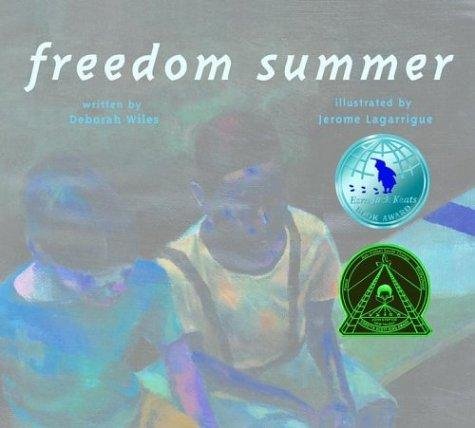
by Deborah Wiles
Picture book · ages 6–10 · grades 1–5 · 620L
Essential historical picture book that refuses to soften the machinery of segregation while centering a child's moral awakening—illustrated in a way that makes systemic racism visible without being traumatizing.
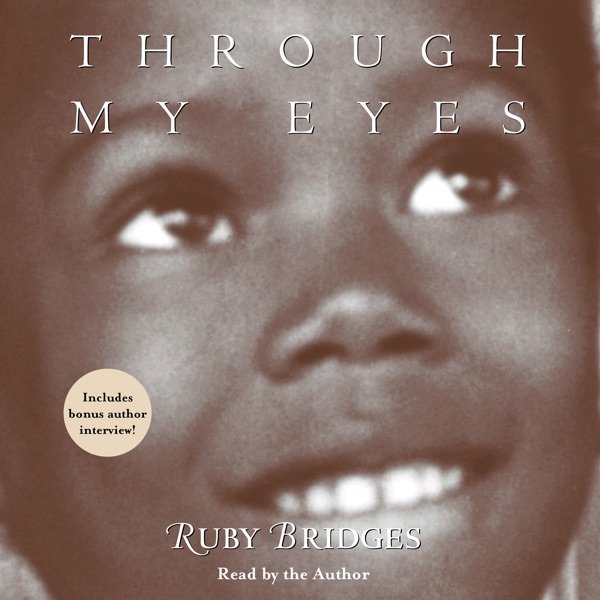
by Ruby Bridges
Picture book · ages 6–10 · grades 1–5 · 620L
The gold standard for introducing desegregation to early readers—Ruby's voice is calm and observant, the pictures are unflinching without being sensationalized, and the book trusts kids to understand why this matters.
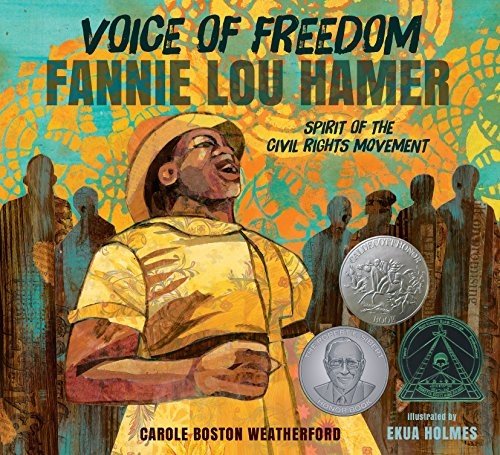
by Ekua Holmes
Picture book · ages 6–9 · grades 1–4 · 620L
A picture book that does not talk down to kids about racism or courage—Holmes's collage art and Hamer's own voice (via quotations) make her resilience vivid and real, not sanitized.
Stretch them up
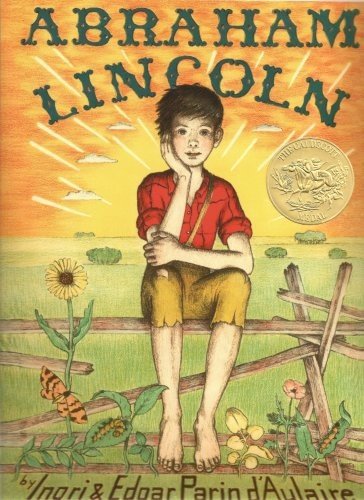
by Ingri and Edgar Parin d'Aulaire
Picture book · ages 6–10 · grades 1–5 · 800L
The d'Aulaires' Lincoln is a masterpiece—sumptuous illustrations and narrative prose that makes a difficult life feel epic and human; kids absorb both the story and a sense of why Lincoln matters.
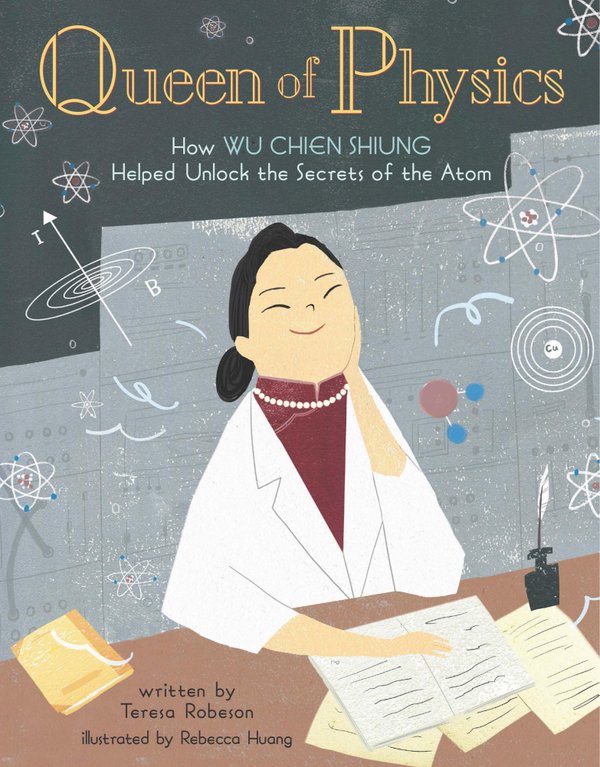
by Teresa Robeson
Picture book · ages 8–12 · grades 3–7 · 820L
A rigorous, visually compelling introduction to a physicist whose breakthrough experiment changed nuclear physics—told without condescension or sentimentality.
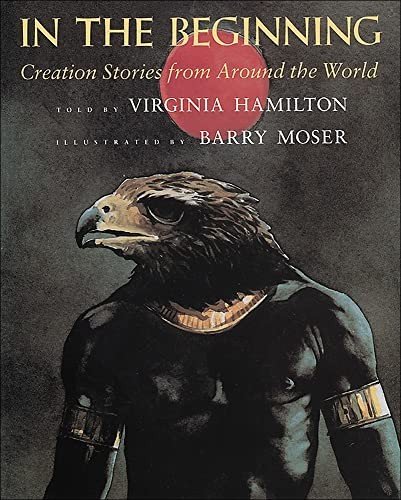
by Virginia Hamilton
Picture book · ages 5–9 · grades K–4 · 820L
Gorgeous, sophisticated, and genuinely restful — Hamilton's prose elevates world mythology without condescension, and Barry Moser's illustrations deepen the dreamlike authority of each story.
Complementing on kindness
by Ashley Bryan
Picture book · ages 4–8 · grades K–3 · 620L
Ashley Bryan's illustrations and oral storytelling rhythm make these Ghanaian and West African tales unforgettable; the humor lands on multiple levels and kids absorb cultural worldview without sermon.
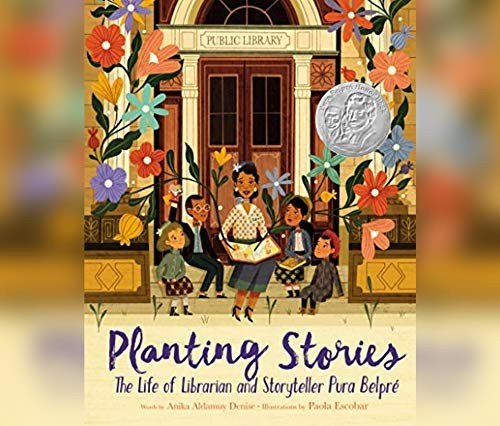
by Anika Aldamuy Denise
Picture book · ages 6–10 · grades 1–5 · 620L
A biography that teaches kids why representation matters—Pura's quiet courage to bring Puerto Rican stories into libraries becomes a model for standing up for the overlooked.
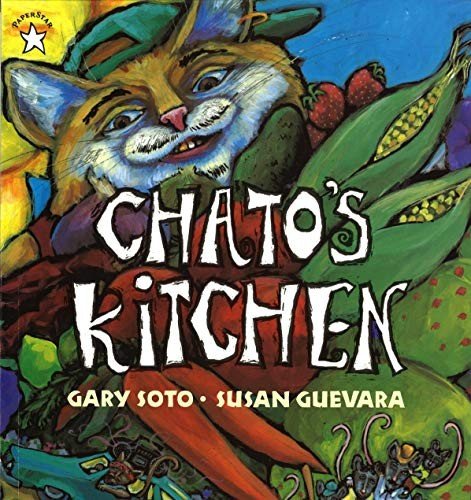
by Susan Guevara
Picture book · ages 4–8 · grades K–3 · 520L
A genuinely charming meditation on unexpected friendship and cultural warmth—Guevara's art captures East LA texture, and the predator-prey friendship subversion delights without preaching.
We'd skip — for now
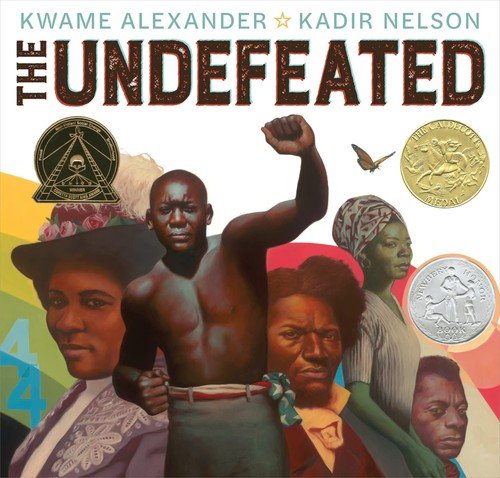
by Kwame Alexander
A step up — ages 10–14 · grades 5–9
Skip it if your child hasn't encountered racism discussions yet or if you want to delay conversations about slavery and systemic inequality.
