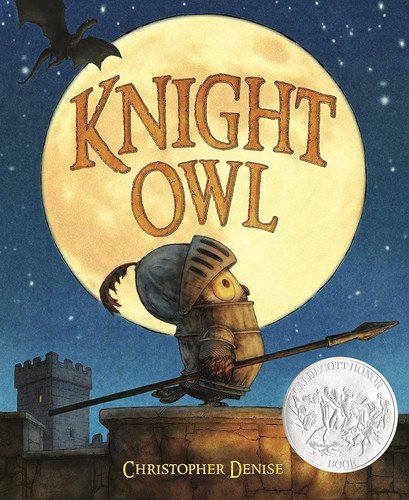
Knight Owl
Picture book · ages 4–8 · grades K–3 · 350L · 2022
A gentle, beautifully illustrated picture book that quietly argues for the courage of being yourself—owl-knight's nocturnal heroism lands without preaching.
For a reader who just finished
after Mandy Has a Bully by Randy Herman · ages 4–8
Picture book · grades K–3 · 350L
A direct, non-preachy tool for the 'I have a bully' conversation; it validates the child's feelings while giving them a concrete script for telling an adult.
Same style
Picture book · ages 4–8 · grades K–3 · 350L · 2022
A gentle, beautifully illustrated picture book that quietly argues for the courage of being yourself—owl-knight's nocturnal heroism lands without preaching.
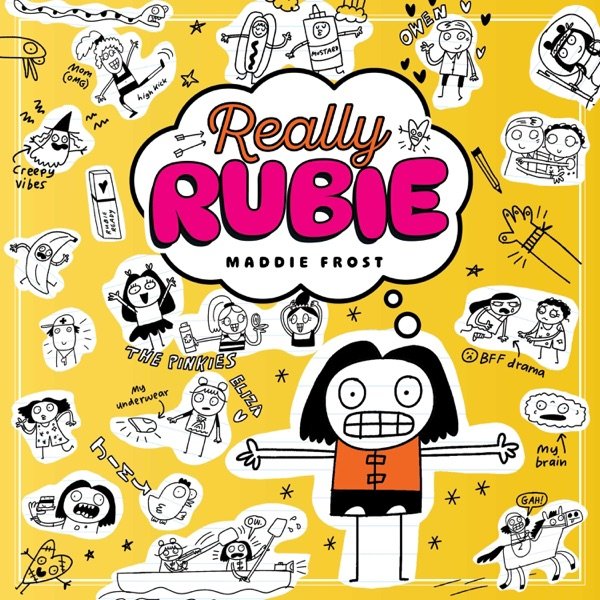
by Maddie Frost
Picture book · ages 3–7 · grades K–2 · 350L · 2026
A genuinely joyful celebration of loud, chaotic kids — refreshing antidote to picture books that reward compliance, and the illustrations match the kinetic energy on every page.
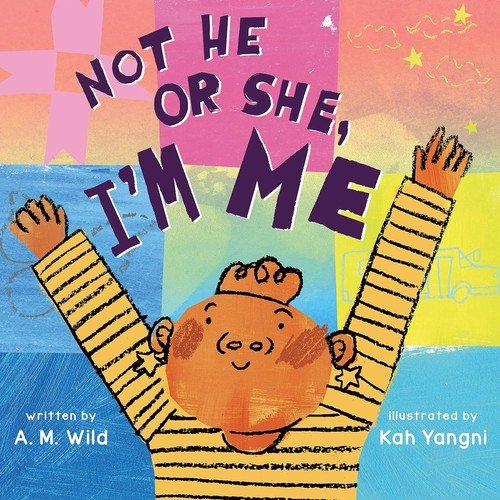
by A.M. Wild
Picture book · ages 4–8 · grades K–3 · 250L
A straightforward, joyful affirmation of nonbinary identity that doesn't apologize or over-explain—kids recognize themselves, and allies learn naturally.
Stretch them up

Picture book · ages 6–10 · grades 1–5 · 520L · 1997
A poetic, precisely illustrated account of the Spirit of St. Louis flight that captures both the wonder and genuine peril of early aviation without melodrama — the language is sophisticated enough to reward a strong reader aloud.
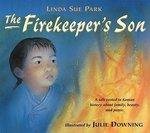
by rowspan="3" |Picture Book
Picture book · ages 5–8 · grades K–3 · 550L
A rare picture book that takes colonial-era Indigenous perspective seriously; the dual loyalty at the heart (family duty vs. moral conviction) lingers after the read-aloud ends.
Complementing on self advocacy
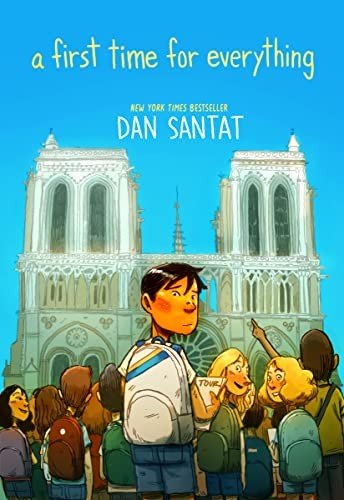
by Dan Santat
Picture book · ages 4–8 · grades K–3 · 500L · 2023
Santat's warmest work — a validation for shy kids that doing things scared is normal, and that friendship makes it easier; read-aloud gold for ages 5–7.
We'd skip — for now
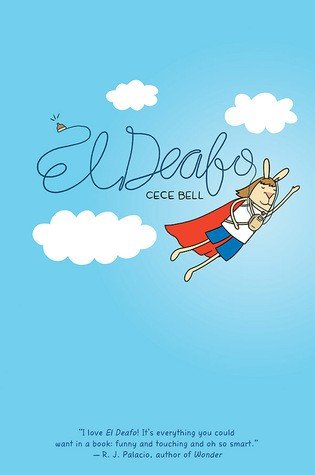
by Cece Bell
A step up — ages 8–12 · grades 3–7
Skip it if your child is sensitive to being the only one different in a room — the social friction is realistic and might amplify their own fears.