
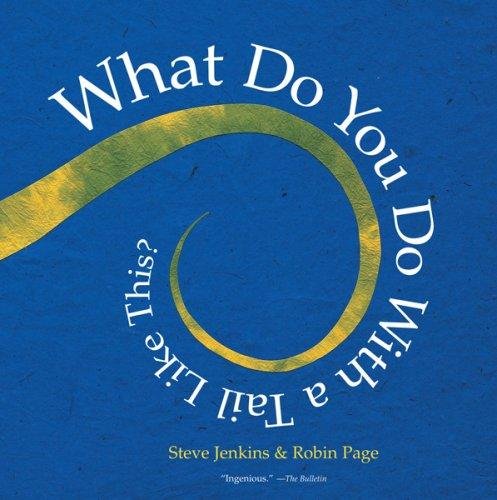
What Do You Do With a Tail Like This?
by Steve Jenkins
Picture book · ages 4–8 · grades K–3 · 600L
Jenkins's collage art makes every page-turn irresistible; kids learn animal adaptation through genuine discovery, not lecture.
For a reader who just finished
after MAKE BELIEVE by Mac Barnett · ages 3–7
Same style
by Steve Jenkins
Picture book · ages 4–8 · grades K–3 · 600L
Jenkins's collage art makes every page-turn irresistible; kids learn animal adaptation through genuine discovery, not lecture.
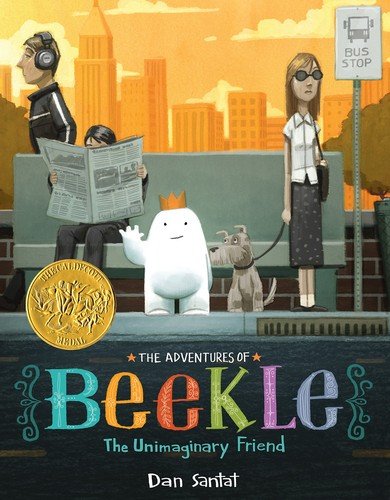
by Dan Santat
Picture book · ages 4–8 · grades K–3 · 620L
A Caldecott winner that genuinely earns it — the wordless passages and Santat's watercolor spreads do more work than the text, and the longing-to-connection arc lands with real emotional weight for kindergarteners and up.
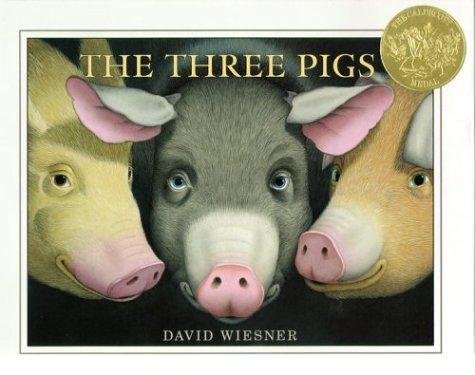
by David Wiesner
Picture book · ages 4–8 · grades K–3
A wordless masterpiece that teaches iteration and agency through anarchic visual storytelling—kids laugh at the absurdity while absorbing how failure leads to better solutions.
Stretch them up

by Faith Ringgold
Picture book · ages 4–8 · grades K–3 · 650L
A picture book that works at 6 and deepens at 9—Ringgold's quilted illustrations and Cassie's dreaming of flight and ownership will stick with your kid for years, and the 1930s Harlem setting opens conversations about racism, class, and what freedom means.
by Todd Tucker
Picture book · ages 4–8 · grades K–3 · 600L
A quiet masterpiece that teaches observation without a word of didacticism—kids naturally want to lift the flaps and peek, building real naturalist instincts.

by William Steig
Picture book · ages 4–8 · grades K–3 · 620L
A quietly haunting picture book that handles loss and separation without melodrama — the magic pebble is just a frame for the real story about wanting to come home.
Complementing on imagination

by Nancy Willard
Picture book · ages 4–9 · grades K–4 · 620L
A Newbery Medal winner that reads like illustrated poetry — Willard's language is playful and precise, Blake's influence is felt throughout, and children return to it because it feels like a secret.
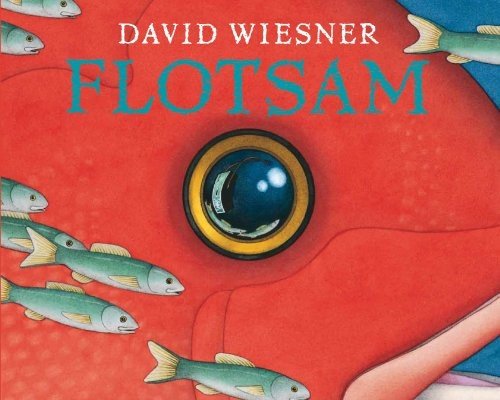
by David Wiesner
Picture book · ages 4–8 · grades K–3
A wordless masterpiece that teaches observation and sparks imagination without a single sentence—kids stare at the panels, construct their own theories, and beg to flip through it again.
by Dan Santat
Picture book · ages 4–8 · grades K–3 · 620L
A Caldecott winner that genuinely earns it — the wordless passages and Santat's watercolor spreads do more work than the text, and the longing-to-connection arc lands with real emotional weight for kindergarteners and up.
We'd skip — for now
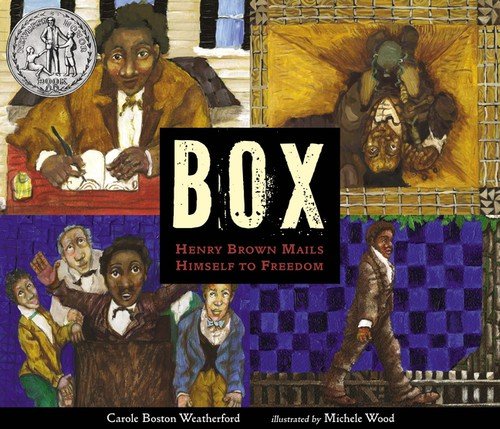
by Carole Boston Weatherford
A step up — ages 8–12 · grades 3–7
Skip it if your child has not yet discussed slavery with you; the reality of bondage and psychological toll are present beneath the triumph.