For a reader who just finished
Books like Misty of Chincoteague
after Misty of Chincoteague by Marguerite Henry · ages 8–12
Same style
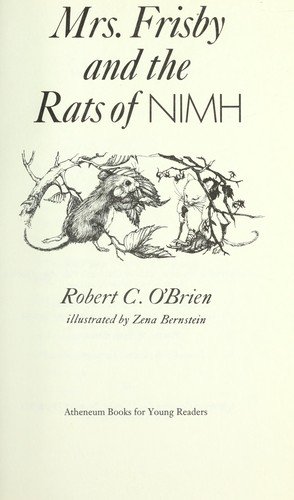
by Robert C. O'Brien
Middle grade · ages 8–12 · grades 3–7 · 780L
A genuinely intelligent adventure where the protagonist solves problems with her mind, not magic—the rats are neither evil nor saviors, and Mrs. Frisby's ordinary maternal courage is the entire book's engine.
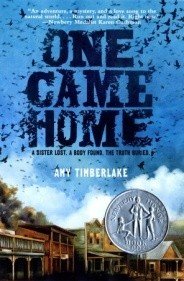
by Amy Timberlake
Middle grade · ages 9–12 · grades 4–7 · 780L
A deaf protagonist on a legitimate frontier adventure—not a problem-to-solve story, but a capable girl pursuing a mystery through 1870s Wisconsin with intelligence and grit that redefines what 'deaf' means in her world.
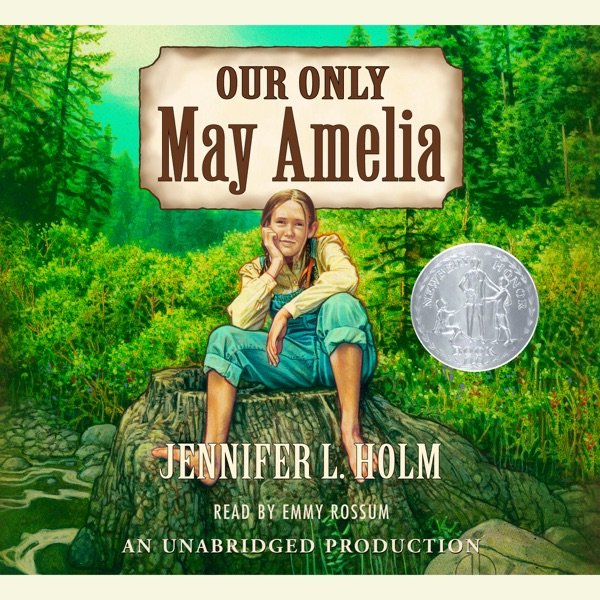
by Jennifer L. Holm
Middle grade · ages 10–14 · grades 5–9 · 780L
A Newbery winner that doesn't feel like one—spirited, funny, and genuinely about a girl figuring out who she is against the grain of her family's hopes; the frontier setting and Finnish details feel lived-in rather than researched.
Stretch them up
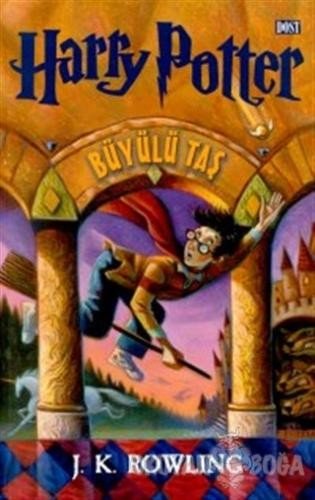
by J. K. Rowling
Middle grade · ages 9–12 · grades 4–7 · 880L
The book that redefined children's fiction — richly imagined world, genuine stakes, prose that respects young readers, and a protagonist's journey from isolation to belonging that doesn't feel saccharine.
Complementing on persistence
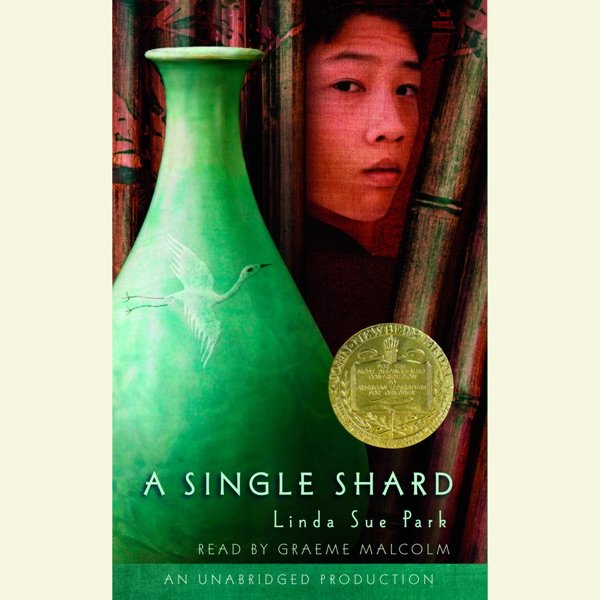
by Linda Sue Park
Middle grade · ages 10–14 · grades 5–9 · 740L
A Newbery winner that actually deserves it—luminous, patient, and utterly unsentimental about a boy's quest to master celadon pottery in medieval Korea; reads like a folktale and hits hardest on the second read.
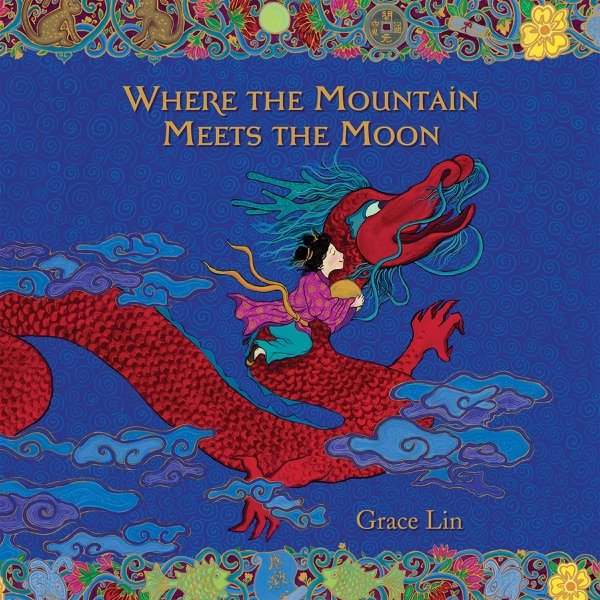
by Grace Lin
Middle grade · ages 8–12 · grades 3–7 · 740L
A luminous bridge between fairy tale and contemporary realism — Chinese folklore woven into a girl's quest that teaches generosity and persistence without preaching, with gorgeous prose that justifies the read-aloud.
by Caroline Alexander
Nonfiction · ages 10–14 · grades 5–9 · 1050L
The photographs and primary-source documents ground the narrative in real human faces and crisis; kids emerge understanding that courage means staying calm when everything goes wrong, not chasing glory.
We'd skip — for now
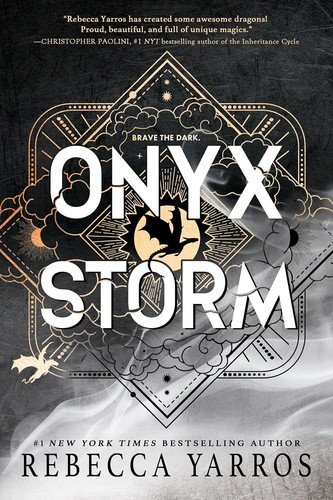
by Rebecca Yarros
A step up — ages 14–18 · grades 9–12
Skip it if your teen has been disturbed by graphic depictions of war injury or death in fiction — multiple on-page character deaths and battle injuries are described with specificity.
