For a reader who just finished
Books like M. C. Higgins, the Great
after M. C. Higgins, the Great by Virginia Hamilton · ages 10–14
Same style
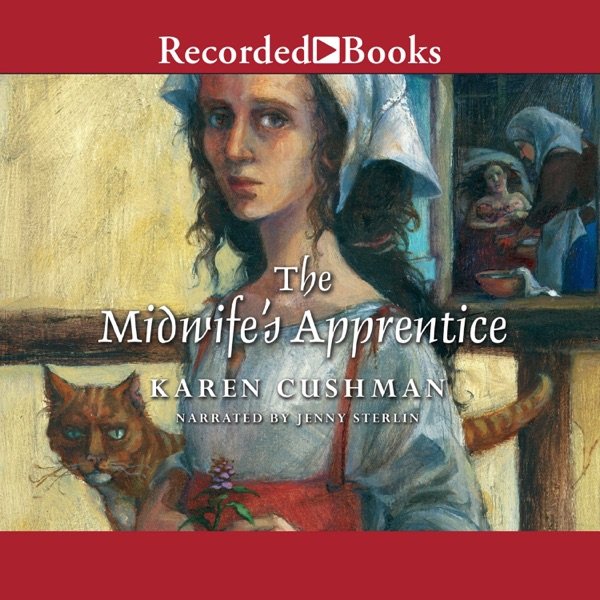
by Karen Cushman
Middle grade · ages 10–14 · grades 5–9 · 780L
A Newbery winner that earns it: a girl with no name becomes herself through honest work and adult recognition; the medieval setting and childbirth apprenticeship feel urgent and real, not decorative.
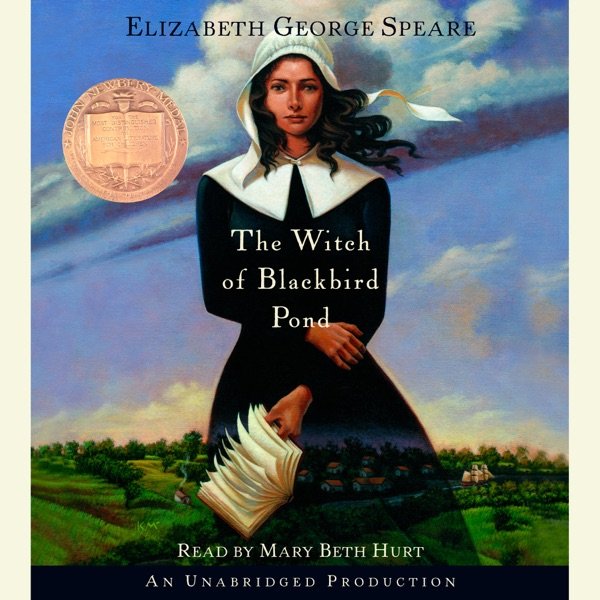
by Elizabeth George Speare
Middle grade · ages 10–14 · grades 5–9 · 780L
A Newbery winner that earns it—Kit's defiance of witch hysteria in 1680s Connecticut teaches courage and independent thought through genuine historical stakes, not didacticism.
by Elizabeth George Speare
Middle grade · ages 10–14 · grades 5–9 · 780L
A Newbery winner that earns it—Kit's defiance of witch hysteria in 1680s Connecticut teaches courage and independent thought through genuine historical stakes, not didacticism.
Stretch them up
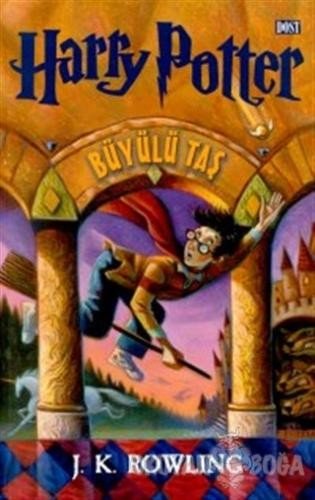
by J. K. Rowling
Middle grade · ages 9–12 · grades 4–7 · 880L
The book that redefined children's fiction — richly imagined world, genuine stakes, prose that respects young readers, and a protagonist's journey from isolation to belonging that doesn't feel saccharine.
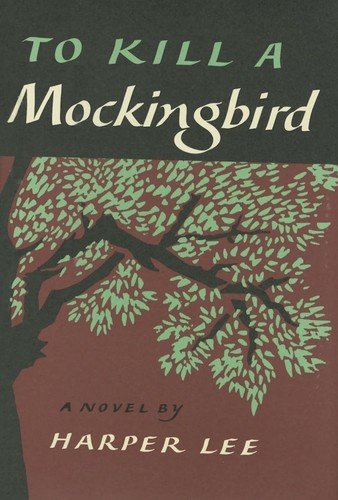
by Harper Lee
Middle grade · ages 10–14 · grades 5–9 · 870L
The most important American novel for this age—not because it's easy, but because Atticus's quiet model of conscience shapes how children think about justice and courage for decades.
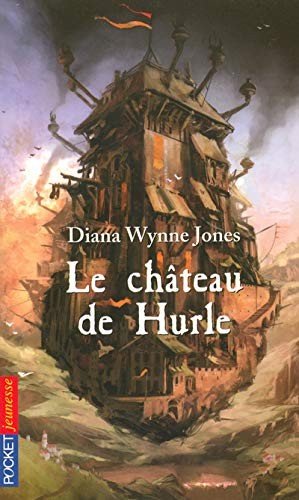
by Diana Wynne Jones
Young adult · ages 10–14 · grades 5–9 · 920L
A sly, emotionally satisfying fantasy that feels like a literary prize-winner disguised as a romp — Sophie's growth from cursed hat-maker to witch is the real magic.
Complementing on identity
by Avi
Middle grade · ages 10–14 · grades 5–9 · 740L
A genuinely gripping historical mystery that treats a medieval child's interior life with full seriousness—kids recognize themselves in Crispin's fear and find their own backbone through his.
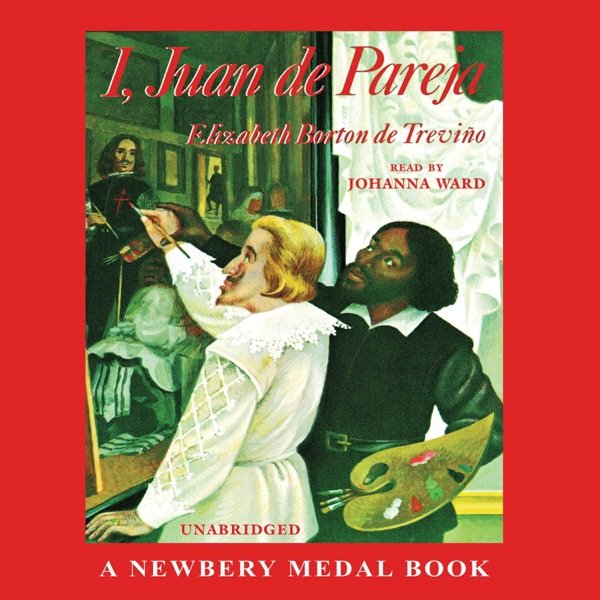
by Elizabeth Borton de Treviño
Middle grade · ages 10–14 · grades 5–9 · 750L
A historically grounded, moving portrait of an actual apprentice to Velázquez—teaches art history, identity, and kindness through a real relationship, not didacticism; the sparse, honest prose asks kids to sit with complexity.
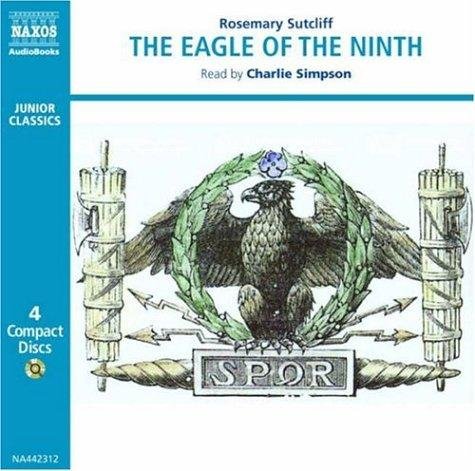
by Rosemary Sutcliff
Middle grade · ages 10–14 · grades 5–9 · 820L
The gold standard of historical adventure for this age—Sutcliff's prose is genuinely literary, the world-building is rigorous, and Marcus's disabled protagonist arc (written in 1954, still ahead of most books now) teaches courage without sentimentality.
We'd skip — for now
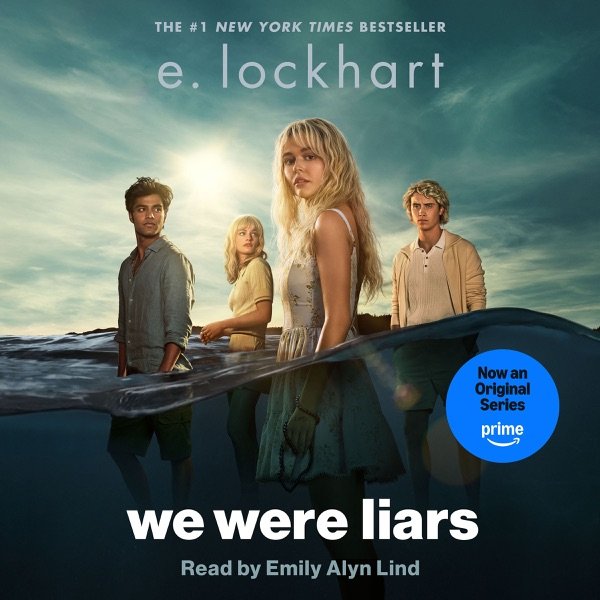
by E. Lockhart
A step up — ages 14–18 · grades 9–12
Skip it if your teen cannot tolerate ambiguous morality or family dysfunction without distress, or if the loss of a minor character would retraumatize them.
