ChapterScoutchapter·scoutFind the next great read for young readers.

For a reader who just finished

Books like Love & Other Natural Disasters

after Love & Other Natural Disasters by Misa Sugiura · ages 12–16

Young adult · grades 7–11 · 850L

A witty and accessible entry point for teens interested in cultural identity, with a light touch on romance that won't alienate younger readers.

Full details →

Same style

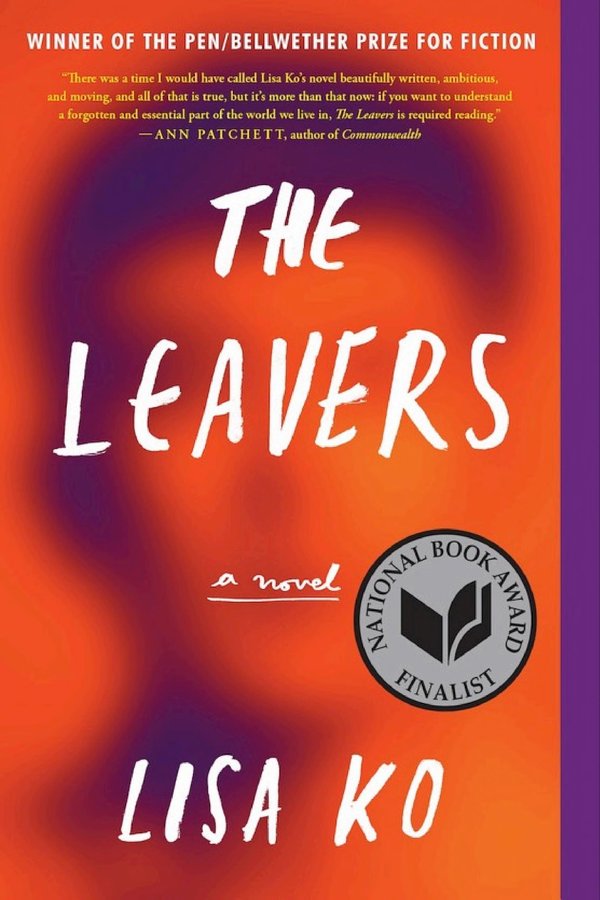
Cover of The Leavers

The Leavers

by Lisa Ko

Young adult · ages 14–18 · grades 9–12 · 820L · 2017

A searing, unflinching debut that treats immigration and foster-care trauma with novelistic depth—not didactic, not sentimental, and essential reading for teens ready to understand structural inequality through a real life.


Stretch them up

Cover of The Crucible

The Crucible

by Arthur Miller

Young adult · ages 14–18 · grades 9–12 · 1050L

A play about mass hysteria and coerced confession that lands harder after every election cycle — teens wrestle with why good people participate in injustice, and it's the rare YA text that trusts them with that complexity.

Complementing on navigating difference

Cover of True Biz

True Biz

by Sara Nović

Middle grade · ages 10–14 · grades 5–9 · 820L · 2022

A genuinely original YA-crossover novel that treats Deaf culture as protagonist, not obstacle—kids learn to think in sign while wrestling with identity questions that feel urgent, not didactic.

Cover of Piecing Me Together

Piecing Me Together

by Renée Watson

Middle grade · ages 10–14 · grades 5–9 · 780L · 2017

Quiet, unflinching portrait of a girl learning to trust her own vision—both literal (through collage) and metaphorical—when adults and peers constantly frame her through their own biases; the collage illustrations are structural, not decorative.

We'd skip — for now

Cover of These Violent Delights

These Violent Delights

by Chloe Gong

A step up — ages 16–18 · grades 11–12

Skip it if your teen is unsettled by sustained gang violence, family trauma, or morally gray protagonists who do harm; also skip if 1920s history doesn't engage them—the setting is integral, not decorative.