For a reader who just finished
Books like Lone Journey: The Life of Roger Williams
after Lone Journey: The Life of Roger Williams by Jeanette Eaton · ages 8–12
Same style
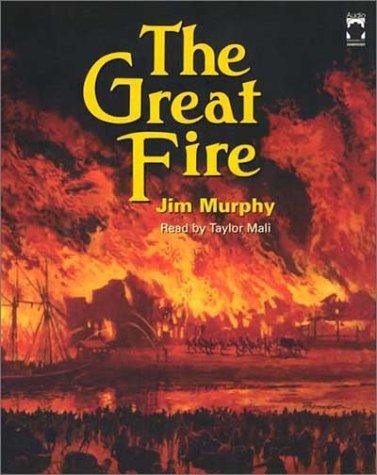
by Jim Murphy
Nonfiction · ages 9–12 · grades 4–7 · 800L
The gold standard for elementary history—Murphy weaves eyewitness accounts and period illustrations into a page-turner that teaches research method without feeling like a textbook.
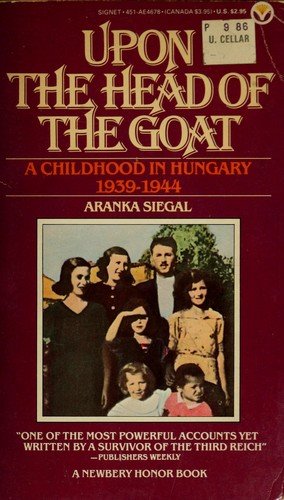
by Aranka Siegal
Nonfiction · ages 10–14 · grades 5–9 · 840L
A masterwork of Holocaust memoir written in a child's voice—unflinching about fear and loss, but grounded in the texture of ordinary summers, school, and family that make the encroaching darkness undeniable.
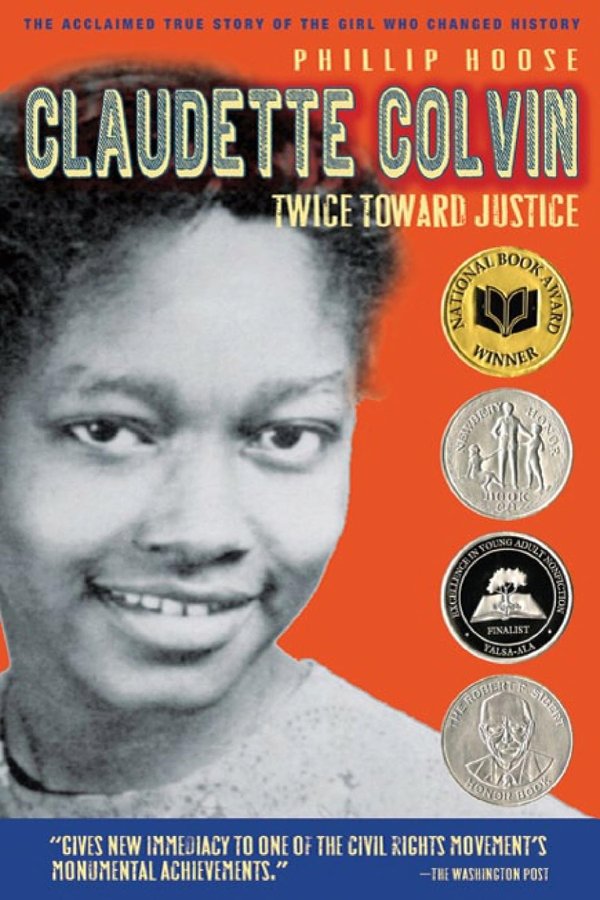
by Phillip Hoose
Nonfiction · ages 10–14 · grades 5–9 · 820L
The book that should be taught instead of (or alongside) Rosa Parks—immediate, deeply researched, and co-authored with Claudette herself, making it both historically authoritative and emotionally resonant for kids discovering real people with real moral agency.
Complementing on courage
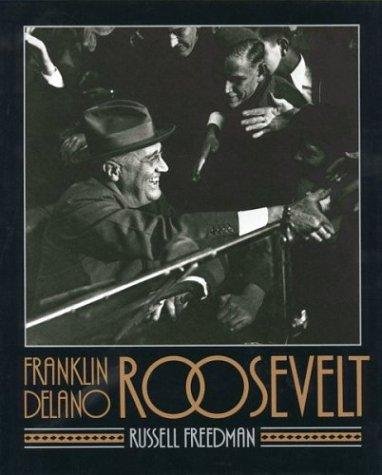
by Russell Freedman
Nonfiction · ages 9–12 · grades 4–7 · 820L
Freedman's accessible, photo-rich biography makes FDR's disability and determination feel immediate without sentimentality; kids grasp both the man and the era.
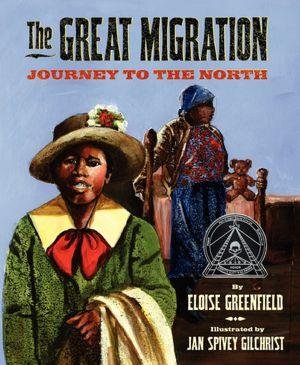
by Eloise Greenfield
Picture book · ages 6–9 · grades 1–4 · 620L
Eloise Greenfield's only children's book about the Great Migration—lyrical, historically grounded, and emotionally honest without being heavy; the illustrations anchor abstract history in real bodies and faces.
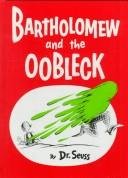
by Dr. Seuss
Picture book · ages 4–8 · grades K–3 · 620L
Seuss at his most serious: a kid solves a crisis by speaking up when adults won't listen, the king learns humility through apology, and the language is so playful it carries thematic weight without preaching.
We'd skip — for now
by Cassandra Clare
A step up — ages 14–18 · grades 9–12
Skip it if your teen hasn't read at least one Shadowhunters novel yet; without that foundation, the Codex is reference material without narrative anchor.
