
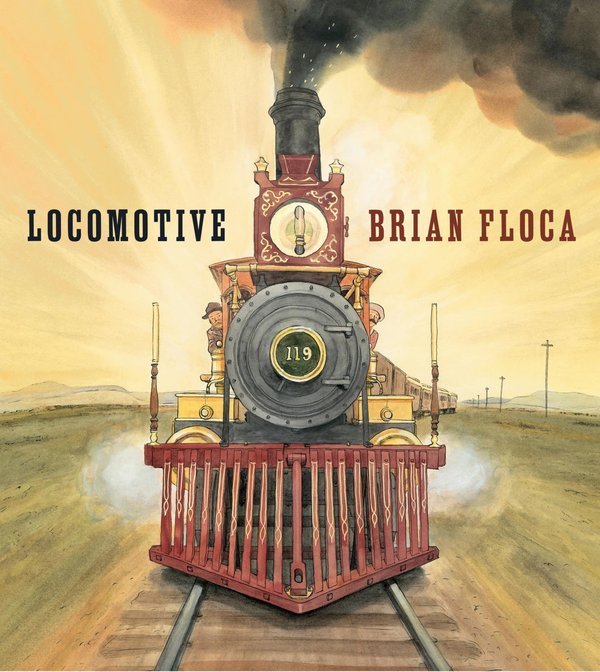
Locomotive
by Brian Floca
Picture book · ages 5–9 · grades K–4 · 620L
A Caldecott winner that justifies it—meticulous drawings teach how machines actually work while a boy's perspective keeps it intimate and alive.
For a reader who just finished
after Little Blacknose: The Story of a Pioneer by Hildegarde Swift · ages 5–8
Same style
by Brian Floca
Picture book · ages 5–9 · grades K–4 · 620L
A Caldecott winner that justifies it—meticulous drawings teach how machines actually work while a boy's perspective keeps it intimate and alive.
by Holling C. Holling
Picture book · ages 6–10 · grades 1–5 · 620L
A 1975 classic that holds up: gorgeously illustrated and densely informative without feeling didactic, following a mink from Minnesota headwaters to the Gulf, with asides on river towns and ecosystems that reward rereading.
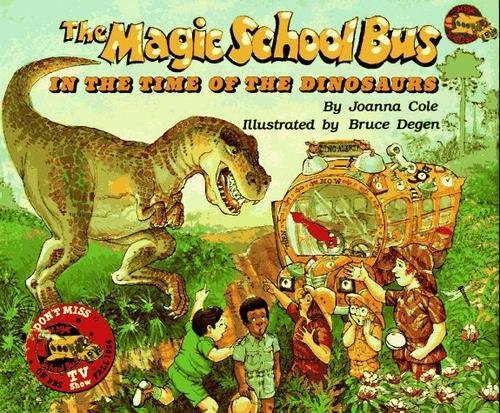
by Joanna Cole
Picture book · ages 4–8 · grades K–3 · 620L
The most durable elementary science series ever written—genuinely teaches observation and scientific thinking without feeling didactic, and kids reread it obsessively.
Stretch them up
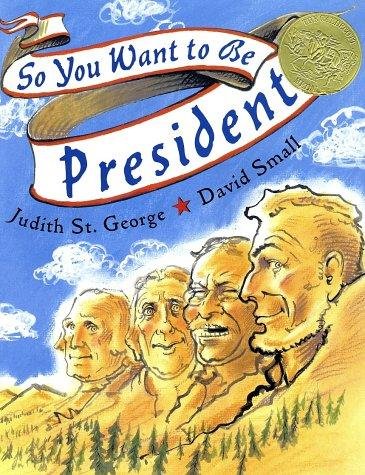
by David Small
Picture book · ages 4–8 · grades K–3 · 620L
A Caldecott winner that makes U.S. history genuinely funny — kids laugh at the absurdity while absorbing real facts about presidents in a format that's pure delight to reread.
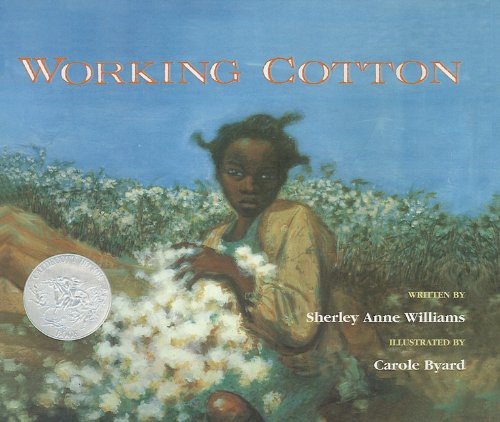
by Carole Byard
Picture book · ages 6–10 · grades 1–5 · 620L
Unflinching, lyrical, and told in the protagonist's own voice — this is the rare picture book that doesn't sentimentalize poverty but doesn't rob children of it either, and Carole Byard's collage art is extraordinary.
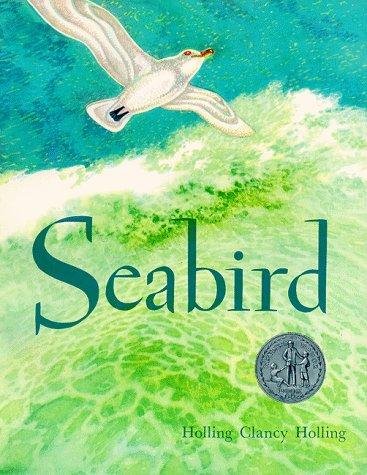
by Holling C. Holling
Picture book · ages 6–10 · grades 1–5 · 620L
A masterpiece of patient observation disguised as a picture book—the illustrations reward close, repeated looking and the text respects a child's intelligence without talking down.
Complementing on observation evidence
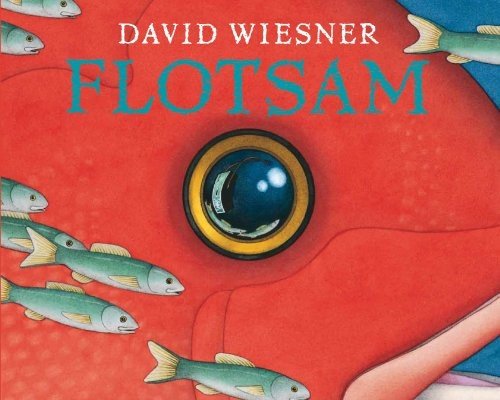
by David Wiesner
Picture book · ages 4–8 · grades K–3
A wordless masterpiece that teaches observation and sparks imagination without a single sentence—kids stare at the panels, construct their own theories, and beg to flip through it again.
by Leo Politi
Picture book · ages 4–8 · grades K–3 · 620L
A 1946 Newbery winner that holds up: lyrical, culturally grounded, and teaches patient observation without preaching—the swallows are a genuine draw, not a metaphor.
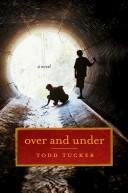
by Todd Tucker
Picture book · ages 4–8 · grades K–3 · 600L
A quiet masterpiece that teaches observation without a word of didacticism—kids naturally want to lift the flaps and peek, building real naturalist instincts.
We'd skip — for now
by Sidney Rosen
A step up — ages 8–12 · grades 3–7
Skip it if your child has learned that Galileo invented the telescope (he didn't, and this corrects that myth—worth knowing, but some curricula may conflict).