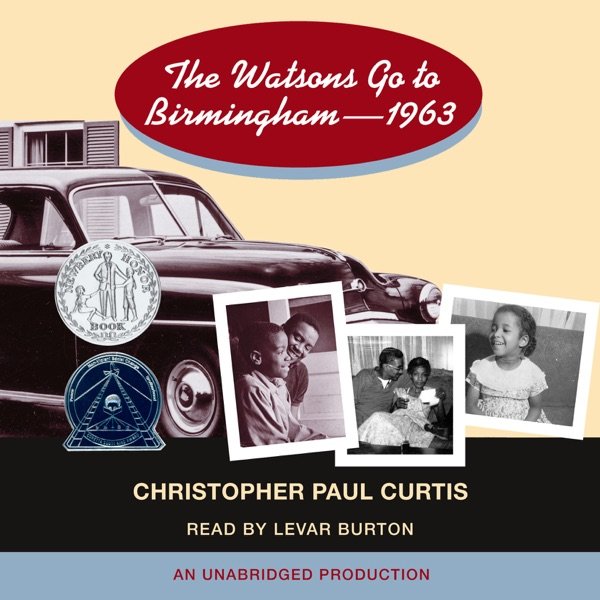
The Watsons Go to Birmingham - 1963
Middle grade · ages 8–12 · grades 3–7 · 740L · 1997
A masterwork that treats kids with intelligence about race and history; the family warmth and humor make the tragedy land harder, and that's exactly right.
For a reader who just finished
after King of Ragtime by Stephen Costanza · ages 8–12
Middle grade · grades 3–7 · 750L
A vital historical fiction entry that grounds the ragtime era in specific cultural and racial realities rather than just musical trivia.
Same style
Middle grade · ages 8–12 · grades 3–7 · 740L · 1997
A masterwork that treats kids with intelligence about race and history; the family warmth and humor make the tragedy land harder, and that's exactly right.
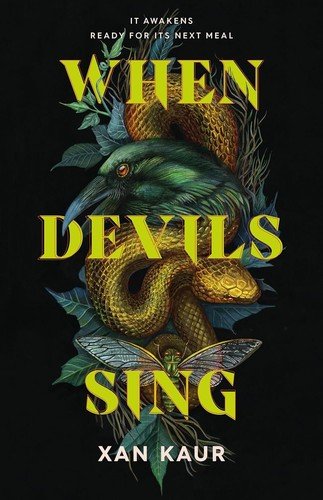
by Xan Kaur
Middle grade · ages 9–12 · grades 4–7 · 760L · 2025
A genuinely grounded story about Sikh identity that avoids both sentimentality and preachiness — the voice feels like an actual 12-year-old figuring out who she is.
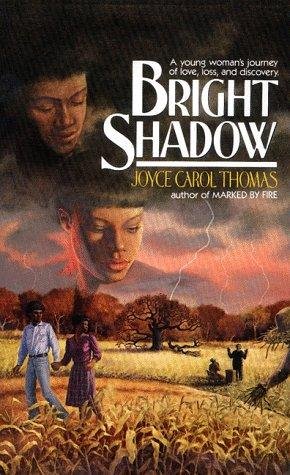
Middle grade · ages 8–12 · grades 3–7 · 780L · 1983
A luminous, unflinching story about difference and belonging—Thomas's lyrical prose and Auri's quiet dignity make this a memorable introduction to how communities can choose love, and how a girl learns her own worth.
Stretch them up
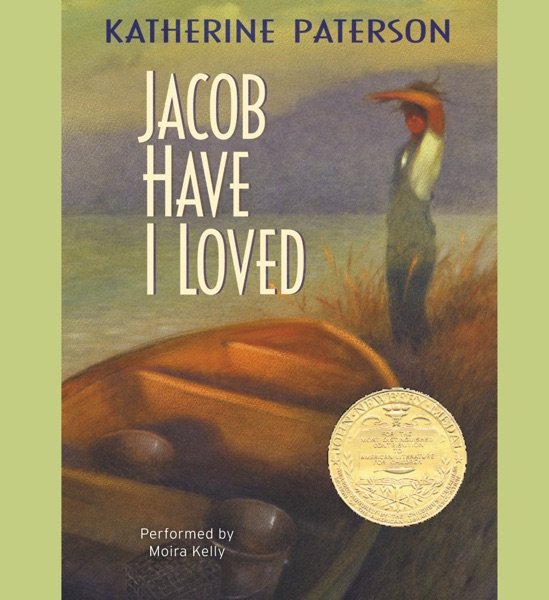
Middle grade · ages 10–14 · grades 5–9 · 820L · 2009
A Newbery winner that actually deserves it—Paterson writes sibling resentment and reconciliation with such honesty that kids recognize their own families, and the 1941 Chesapeake setting carries real historical weight without preaching.
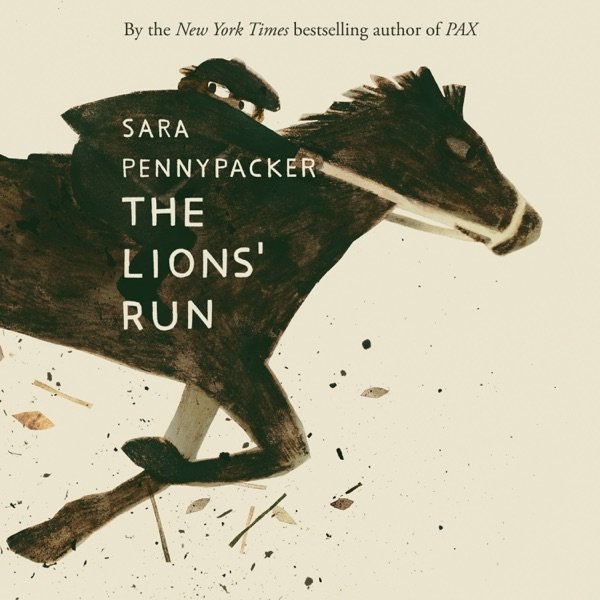
Middle grade · ages 10–14 · grades 5–9 · 820L
Pennypacker writes a protagonist who is disabled without apology or inspiration-porn—the lions matter as much as the girl, and both demand respect.
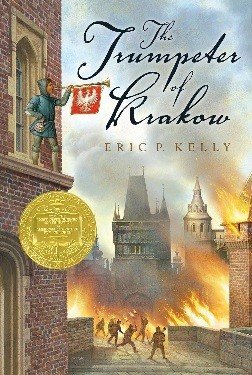
Middle grade · ages 8–12 · grades 3–7 · 800L · 1992
A Newbery winner that feels genuinely historical without being a slog — the mystery of the trumpet and the boy's quiet bravery make it memorable for kids who can handle older prose.
Complementing on perspective taking
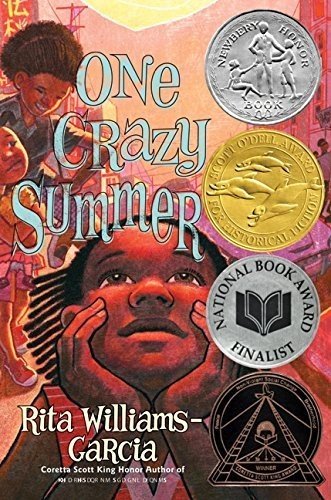
Middle grade · ages 8–12 · grades 3–7 · 750L · 2019
A richly layered book about sisterhood, identity, and reckoning with parental complexity that treats kids' emotional intelligence seriously—the ending doesn't tidy up, which is exactly why it stays with them.
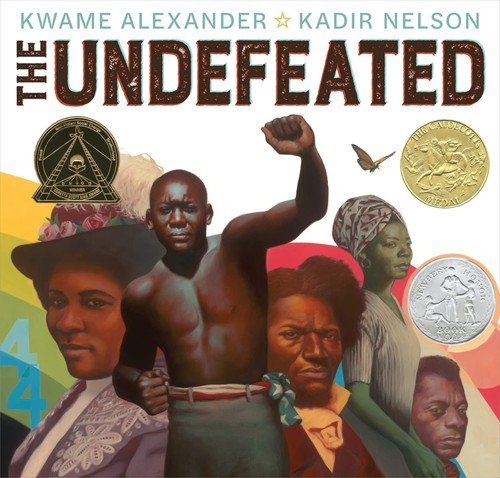
Verse novel · ages 10–14 · grades 5–9 · 620L · 2019
A landmark book that uses verse to make 500 years of Black American history personal and urgent—kids understand their own power within a larger story.
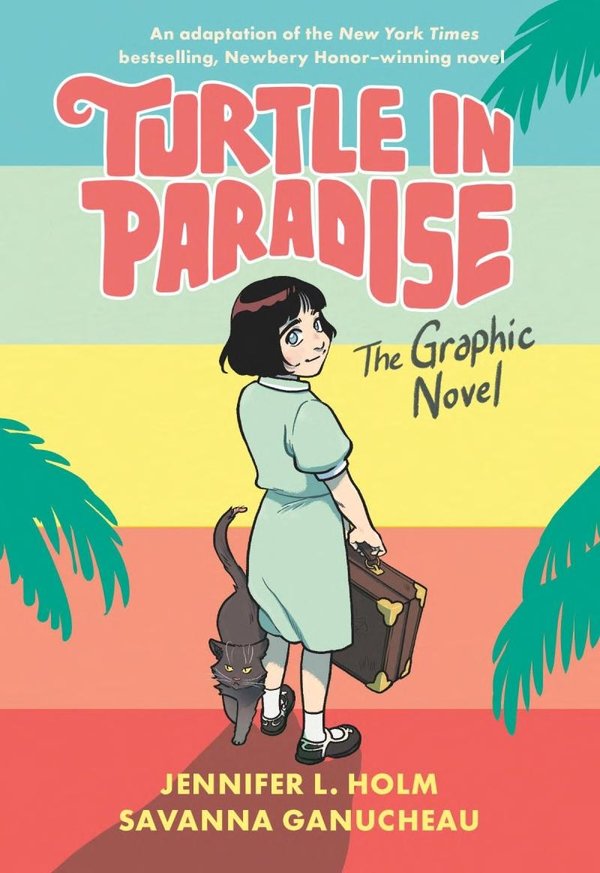
Middle grade · ages 8–12 · grades 3–7 · 760L · 2021
A Depression-era jewel that doesn't lecture—Turtle's scrappiness and the vividness of Key West make history immediate, and the message (belonging is something you find, not something you inherit) lands quietly and hard.
We'd skip — for now
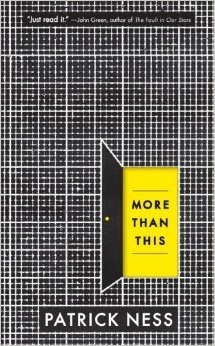
by Patrick Ness
A step up — ages 12–18 · grades 7–12
Skip it if your child has unprocessed grief around death, or if ambiguous/surreal endings trigger anxiety rather than intrigue; the book refuses easy answers.