
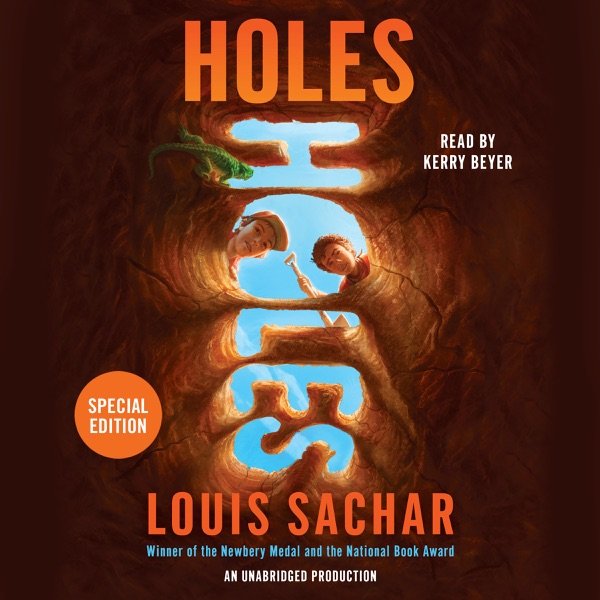
Holes
by Louis Sachar
Middle grade · ages 10–14 · grades 5–9 · 740L
A masterwork of interlocking narratives that rewards rereading — kids solve the mystery alongside Stanley, and the structure itself teaches cause-and-effect thinking.
For a reader who just finished
after Kildee House by Rutherford George Montgomery · ages 8–12
Same style
by Louis Sachar
Middle grade · ages 10–14 · grades 5–9 · 740L
A masterwork of interlocking narratives that rewards rereading — kids solve the mystery alongside Stanley, and the structure itself teaches cause-and-effect thinking.
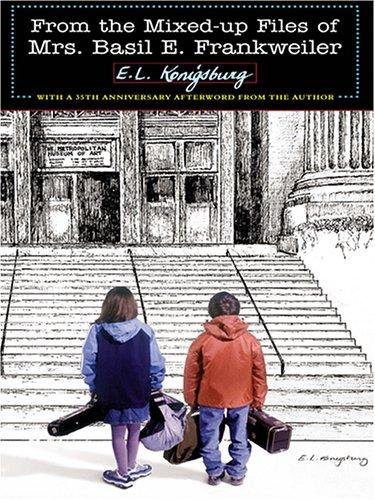
by E. L. Konigsburg
Middle grade · ages 8–12 · grades 3–7 · 790L
A book that trusts kids to be intellectually bored and emotionally complex—Claudia's runaway isn't melodrama, it's a quiet reckoning with identity that lands harder on rereads.
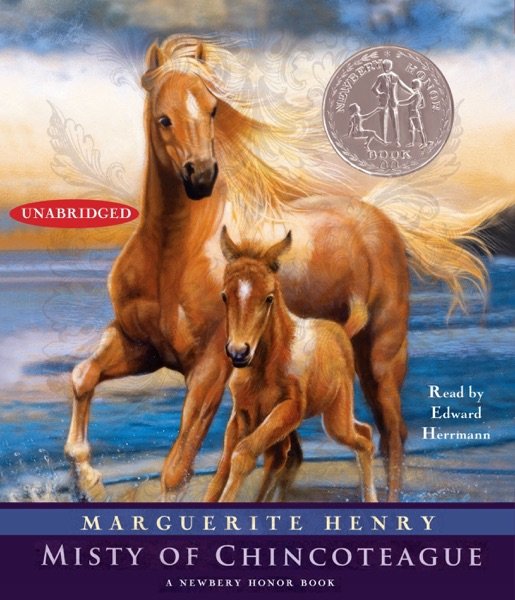
by Marguerite Henry
Middle grade · ages 8–12 · grades 3–7 · 780L
The definitive horse book for this age—historically grounded, emotionally earned, and genuinely about the unglamorous work of animal stewardship, not just romance.
Stretch them up
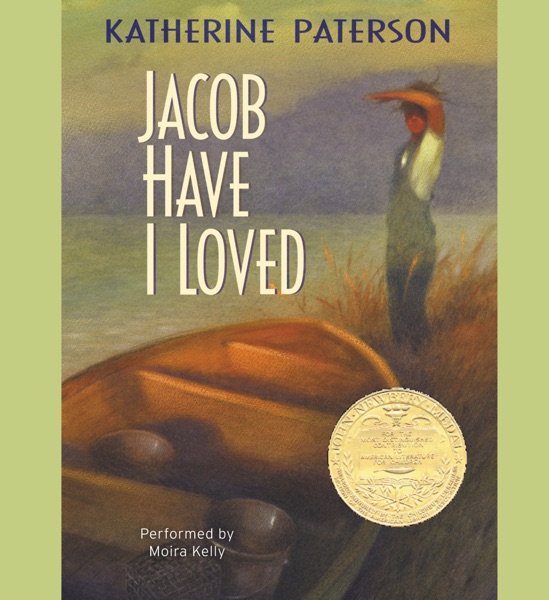
by Katherine Paterson
Middle grade · ages 10–14 · grades 5–9 · 820L
A Newbery winner that actually deserves it—Paterson writes sibling resentment and reconciliation with such honesty that kids recognize their own families, and the 1941 Chesapeake setting carries real historical weight without preaching.
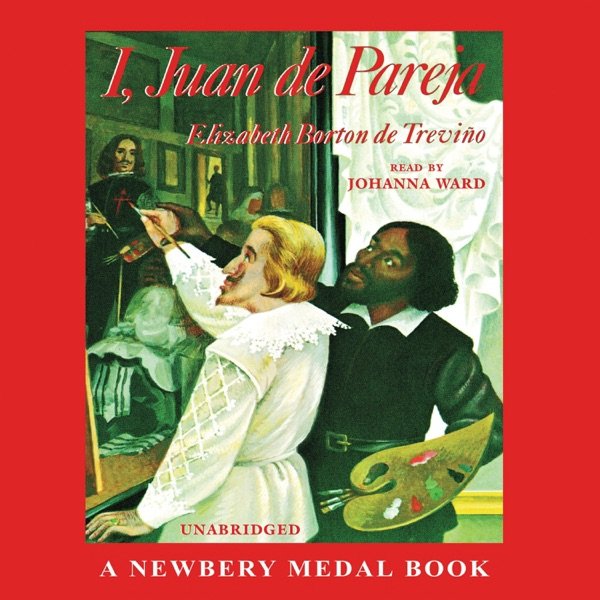
by Elizabeth Borton de Treviño
Middle grade · ages 10–14 · grades 5–9 · 820L
A Newbery winner that doesn't condescend—serious, historically grounded, and genuinely about how one person's refusal to accept powerlessness can remake a life; the prose is elegant and the emotional core is real.
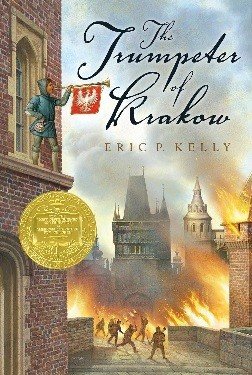
by Eric P. Kelly
Middle grade · ages 8–12 · grades 3–7 · 800L
A Newbery winner that feels genuinely historical without being a slog — the mystery of the trumpet and the boy's quiet bravery make it memorable for kids who can handle older prose.
Complementing on observation evidence

by Jim Murphy
Nonfiction · ages 10–14 · grades 5–9 · 820L
Gripping, historically rigorous account that models how evidence overturns expert consensus—kids emerge understanding both the horror and the intellectual detective work of epidemiology.
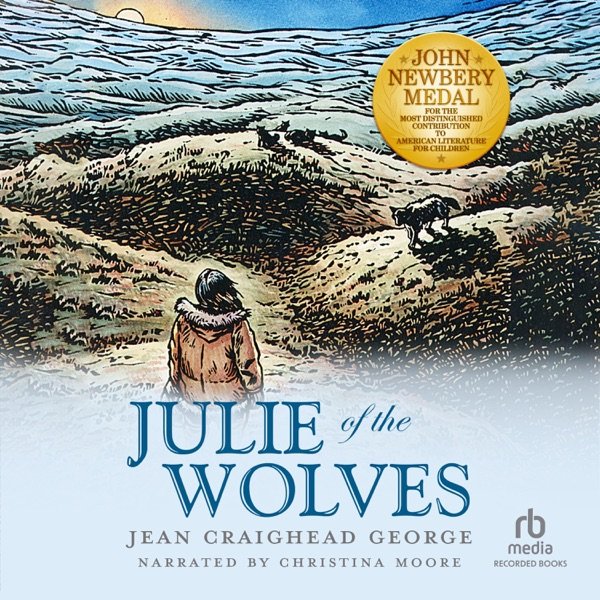
by Jean Craighead George
Middle grade · ages 10–14 · grades 5–9 · 760L
A Newbery-winning masterpiece that hasn't aged a day—Julie's survival story is genuinely gripping, and the quiet exploration of cultural identity and belonging lands without preaching.
by Jean Craighead George
Middle grade · ages 10–14 · grades 5–9 · 750L
A landmark survival novel that treats a 13-year-old girl's autonomy and environmental intelligence as serious — the wolf pack chapters are unforgettable, and the identity crisis at the core still resonates.
We'd skip — for now
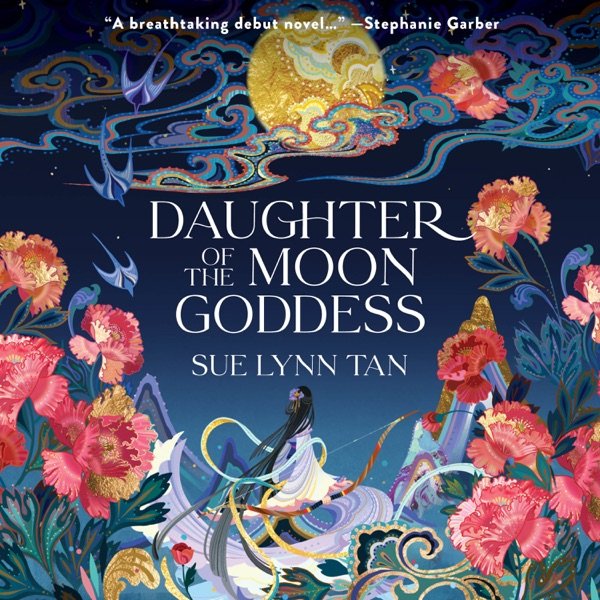
by Sue Lynn Tan
A step up — ages 14–18 · grades 9–12
Skip it if your teen has been spooked by sustained magical threat or combat; there are extended battle scenes and genuine peril to beloved characters.