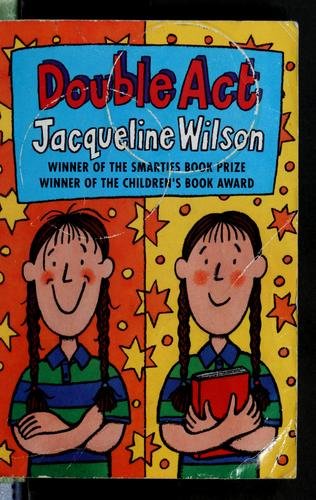
Double act
Middle grade · ages 8–12 · grades 3–7 · 730L · 1996
The dual-POV structure is genuinely clever (and kids notice); Wilson's take on twin identity and divorce manages to be tender without being maudlin.
For a reader who just finished
after Kids of Willow Lane by Curt Casetta · ages 8–12
Middle grade · grades 3–7 · 750L
A solid, low-stakes sibling story that captures the specific chaos of being the older kid without relying on heavy fantasy or peril.
Same style
Middle grade · ages 8–12 · grades 3–7 · 730L · 1996
The dual-POV structure is genuinely clever (and kids notice); Wilson's take on twin identity and divorce manages to be tender without being maudlin.

by Jo Ann Beard
Middle grade · ages 10–14 · grades 5–9 · 760L · 2011
A quietly devastating friendship story that hits different on rereads; the narrator's voice is so smart and wry that kids don't realize they're reading about real social pain until it lands.
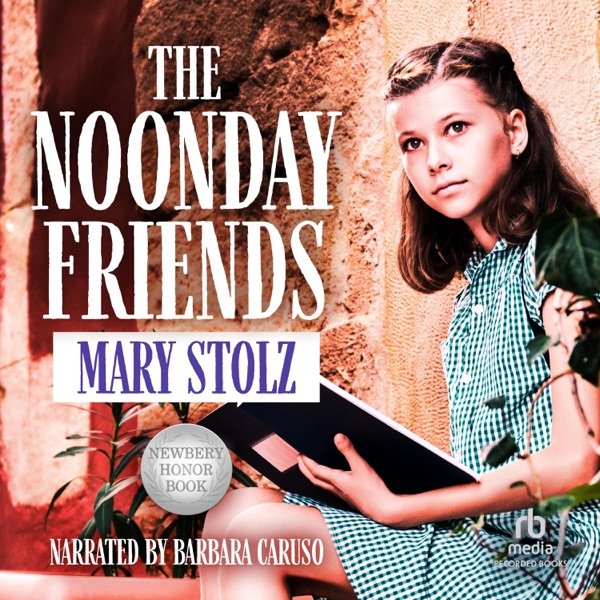
by Mary Stolz
Middle grade · ages 8–12 · grades 3–7 · 720L
A quiet, character-driven book about what friendship actually means to kids—not drama or loyalty tests, but presence and attention during lunch hour; it trusts readers to care about ordinary moments.
Stretch them up
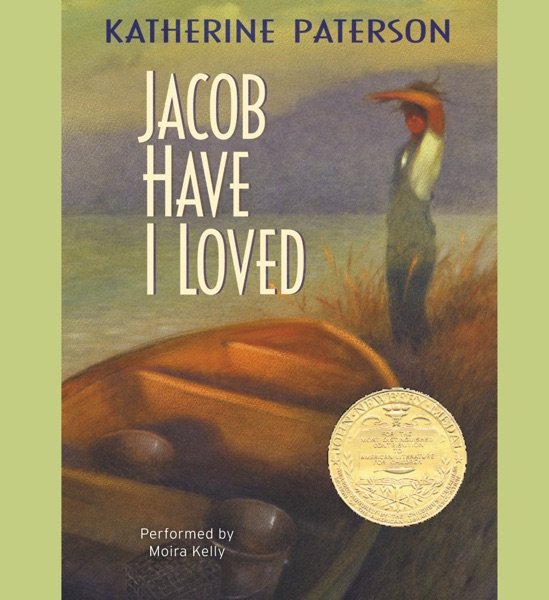
Middle grade · ages 10–14 · grades 5–9 · 820L · 2009
A Newbery winner that actually deserves it—Paterson writes sibling resentment and reconciliation with such honesty that kids recognize their own families, and the 1941 Chesapeake setting carries real historical weight without preaching.

Middle grade · ages 10–14 · grades 5–9 · 820L
Pennypacker writes a protagonist who is disabled without apology or inspiration-porn—the lions matter as much as the girl, and both demand respect.
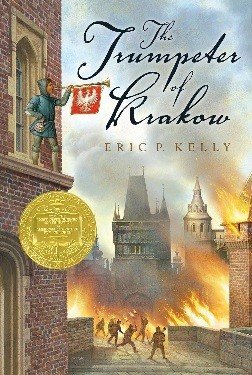
Middle grade · ages 8–12 · grades 3–7 · 800L · 1992
A Newbery winner that feels genuinely historical without being a slog — the mystery of the trumpet and the boy's quiet bravery make it memorable for kids who can handle older prose.
Complementing on apology and repair
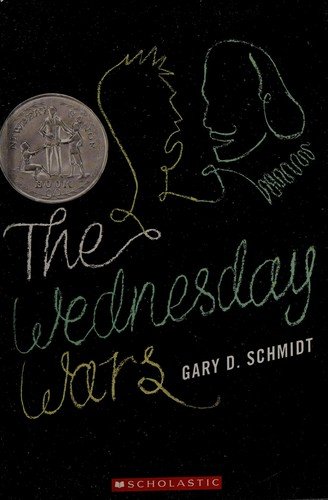
Middle grade · ages 9–12 · grades 4–7 · 780L · 2008
A Newbery Honor book that earns it: funny, linguistically rich, and genuinely moving without ever feeling precious — seventh graders and adults reread it.
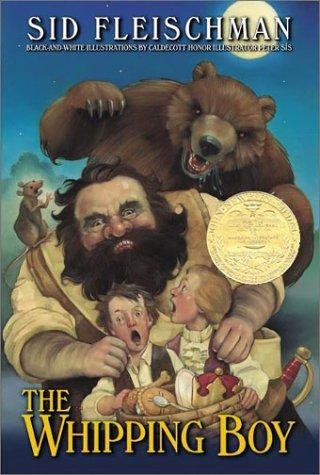
Chapter book · ages 8–12 · grades 3–7 · 700L · 1986
A Newbery that actually deserved it — adventure plot that carries real moral weight, two protagonists who earn their redemption, and a vocabulary stretch without feeling didactic.
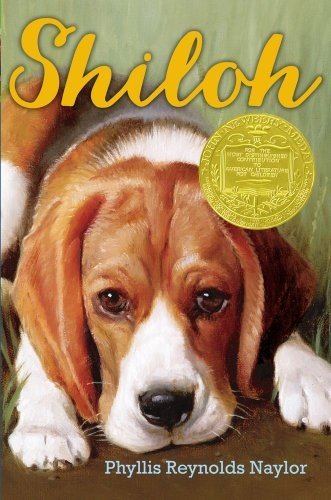
Middle grade · ages 8–12 · grades 3–7 · 770L · 1992
A rare middle-grade book about moral ambiguity and lying that doesn't preach — Marty's deception feels real and costly, and the ending respects both his love and the hard truths he has to swallow.
We'd skip — for now
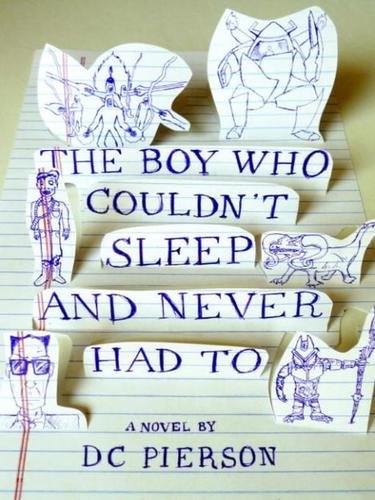
by DC Pierson
A step up — ages 12–15 · grades 7–10
Skip it if your child has unmedicated ADHD and finds books about hyperactive protagonists overstimulating — Darren's racing mind might feel too familiar in a difficult way.