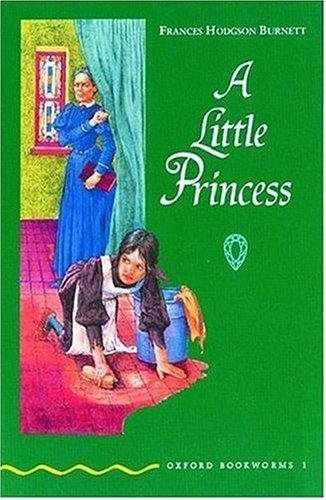
A Little Princess
Middle grade · ages 8–12 · grades 3–7 · 820L · 2022
A Victorian novel that has aged better than expected—Sara's quiet defiance and imaginative resilience feel genuinely modern, and the prose rewards close reading.
For a reader who just finished
after Kaleidoscope by Brian Selznick · ages 9–12
Middle grade · grades 4–7 · 850L
A quiet, visually stunning companion to The Invention of Hugo Cabret that handles childhood grief with rare nuance and zero melodrama.
Same style
Middle grade · ages 8–12 · grades 3–7 · 820L · 2022
A Victorian novel that has aged better than expected—Sara's quiet defiance and imaginative resilience feel genuinely modern, and the prose rewards close reading.
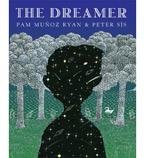
Middle grade · ages 8–12 · grades 3–7 · 820L · 2012
A lyrical, serious treatment of dyslexia and cultural identity that trusts kids to sit with Lui's shame and gradual self-acceptance—not a problem-solved-by-chapter-3 book, but a real portrait of becoming.
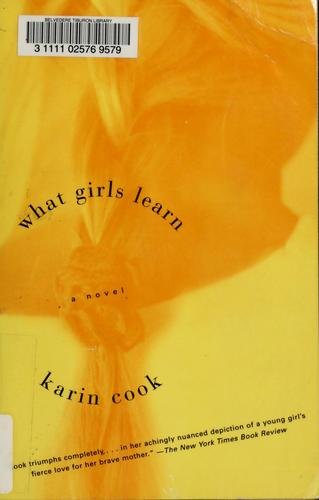
by Karin Cook
Middle grade · ages 10–14 · grades 5–9 · 800L · 1999
Serious, unsentimental novel about a girl processing her mother's cancer; doesn't shy from the actual fear and anger kids feel, and handles grief with dignity rather than platitude.
Stretch them up
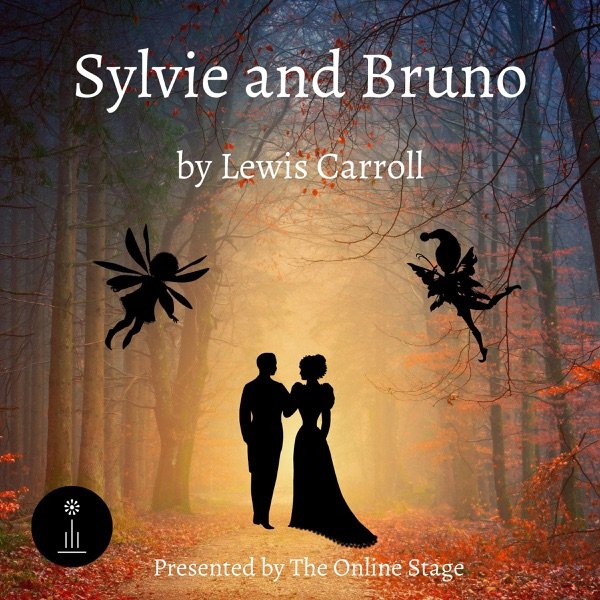
Middle grade · ages 10–14 · grades 5–9 · 1050L · 2018
Carroll's most structurally ambitious work and genuinely strange—the dual-timeline narrative and philosophical digressions demand real attention, but kids who love language puzzles and moral fables will find it rewarding.
Complementing on naming feelings
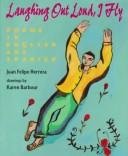
Verse novel · ages 6–10 · grades 1–5 · 520L · 1998
A masterwork of bilingual wordplay that reads aloud with infectious energy—kids feel seen in the code-switching, and the poems actively teach that two languages in one mind is a superpower, not a problem.
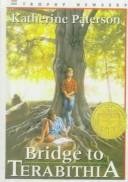
Middle grade · ages 8–12 · grades 3–7 · 740L · 1999
A watershed book for most kids who read it—not because it's cheerful, but because it takes grief seriously and shows that imagination can be both escape and source of real connection.
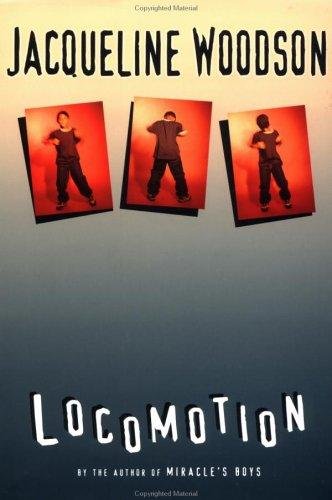
Verse novel · ages 9–12 · grades 4–7 · 680L · 2003
A masterwork of grief told in verse — Woodson's spare, exact language lets kids name loss they may not have words for, and the ending models hope without erasure.
We'd skip — for now
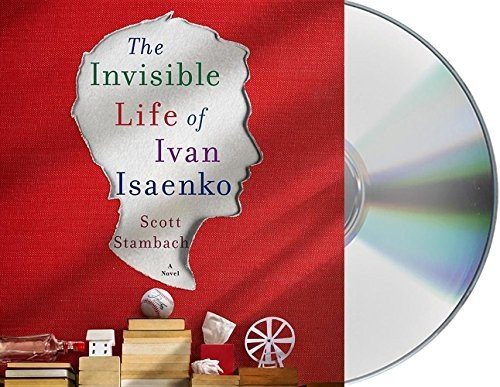
by Scott Stambach
A step up — ages 12–18 · grades 7–12
Skip it if your child has been traumatized by institutional settings, neglect, or disability depictions, or if you're looking for gentle, uplifting disability rep—Ivan's world is bleak and his agency is real but circumscribed.