For a reader who just finished
Books like I Tell a Lie Every So Often
after I Tell a Lie Every So Often by Bruce Clements · ages 10–14
Same style
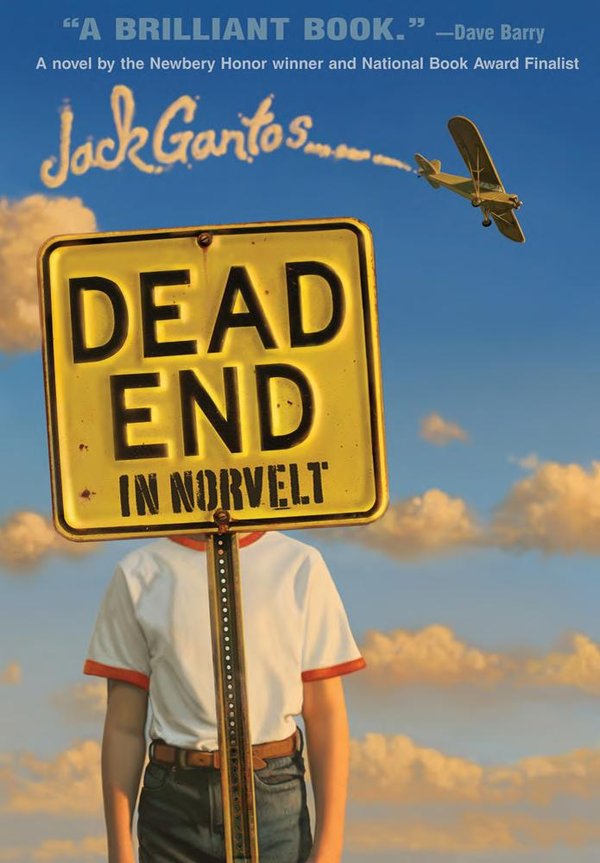
by Jack Gantos
Middle grade · ages 10–14 · grades 5–9 · 780L
A Newbery winner that feels lived-in: Gantos builds a real Pennsylvania town, real household conflict, and real historical weight without sentimentality—kids recognize the specificity and ask questions about their own neighborhoods.
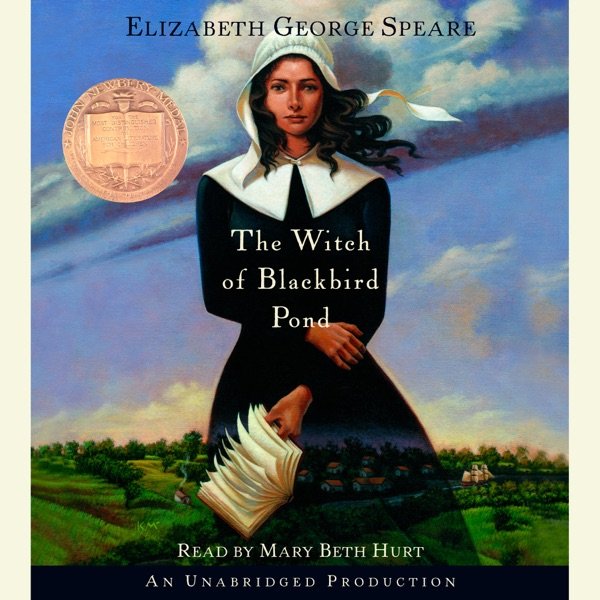
by Elizabeth George Speare
Middle grade · ages 10–14 · grades 5–9 · 790L
A masterpiece introduction to colonial America and witch hunts that treats both the historical record and Kit's inner life with genuine weight—the accusations feel terrifyingly real, not melodrama.
by Steve Kluger
Middle grade · ages 9–12 · grades 4–7 · 780L
A quiet masterpiece about the friendship between two Jewish boys in 1982 New York — told through letters, baseball stats, and the kind of emotional honesty that makes middle-graders feel genuinely seen.
Stretch them up
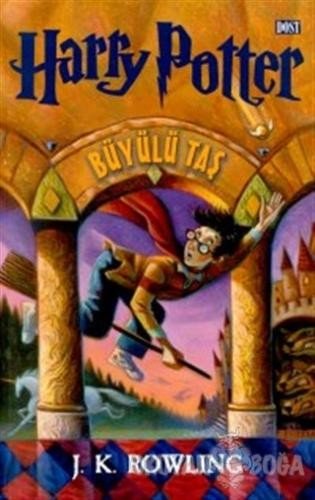
by J. K. Rowling
Middle grade · ages 9–12 · grades 4–7 · 880L
The book that redefined children's fiction — richly imagined world, genuine stakes, prose that respects young readers, and a protagonist's journey from isolation to belonging that doesn't feel saccharine.
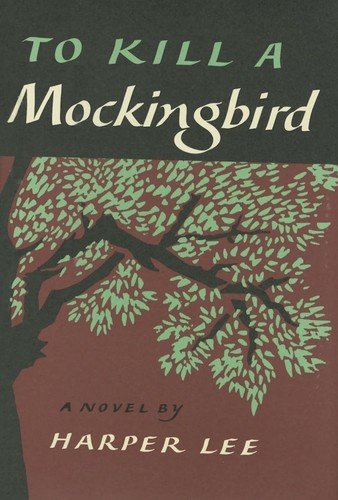
by Harper Lee
Middle grade · ages 10–14 · grades 5–9 · 870L
The most important American novel for this age—not because it's easy, but because Atticus's quiet model of conscience shapes how children think about justice and courage for decades.
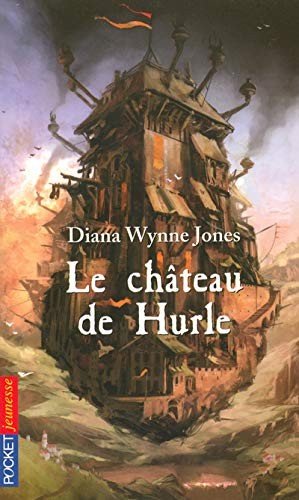
by Diana Wynne Jones
Young adult · ages 10–14 · grades 5–9 · 920L
A sly, emotionally satisfying fantasy that feels like a literary prize-winner disguised as a romp — Sophie's growth from cursed hat-maker to witch is the real magic.
We'd skip — for now
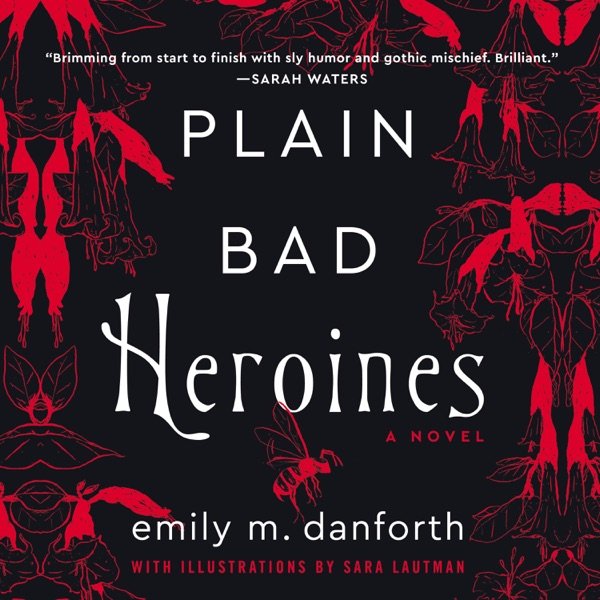
by Emily M. Danforth
A step up — ages 14–18 · grades 9–12
Skip it if your teen is uncomfortable with frank depictions of same-sex desire, or if reading-as-investigation (unreliable narrators, competing versions of events) feels too much friction for their current reading mood.
