For a reader who just finished
Books like I Can Read With My Eyes Shut!
after I Can Read With My Eyes Shut! by Dr. Seuss · ages 4–8
Same style
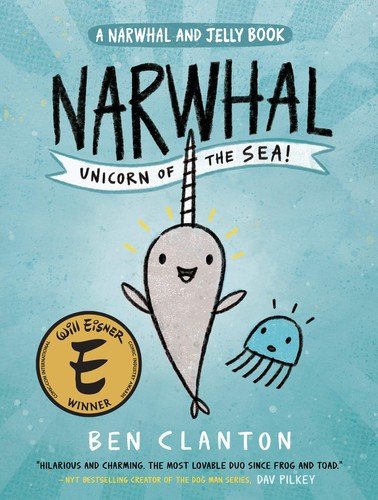
by Ben Clanton
Early reader · ages 4–8 · grades K–3 · 420L
Clanton's warmth and deadpan absurdist humor make this the gold-standard friendship book for early readers—kids laugh, absorb kindness without preaching, and ask for it again.
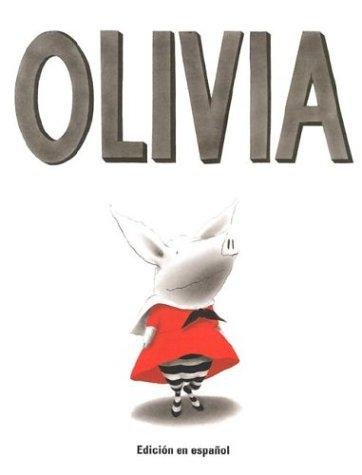
by Ian Falconer
Picture book · ages 3–7 · grades K–2 · 300L
A character study disguised as a picture book: Olivia's theatrical self-absorption is unapologetic, hilarious, and oddly affirming for kids who aren't the quiet type.
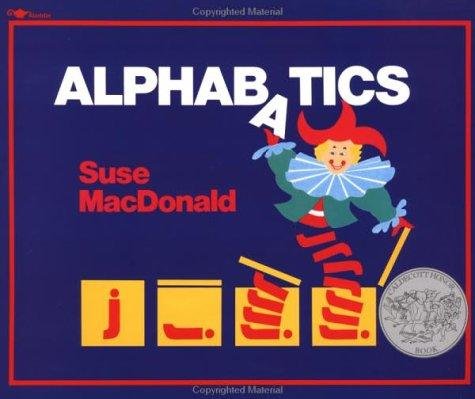
by Suse MacDonald
Picture book · ages 2–5 · grade K
The die-cut concept is genuinely inventive and holds toddlers' and preschoolers' attention across multiple rereadings — alphabet books rarely deserve 5, but this one earns it through craft alone.
Stretch them up
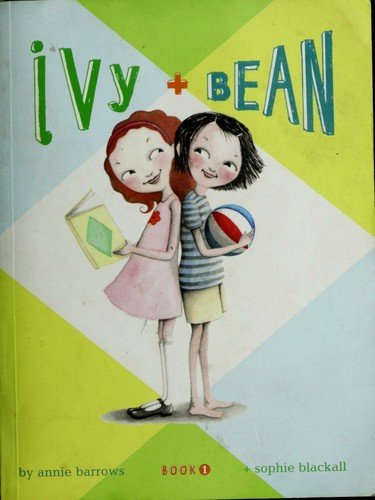
by Annie Barrows
Early reader · ages 6–9 · grades 1–4 · 520L
The friendship book for this age—low-stakes, genuinely funny, and kids recognize themselves in both characters instead of just one.
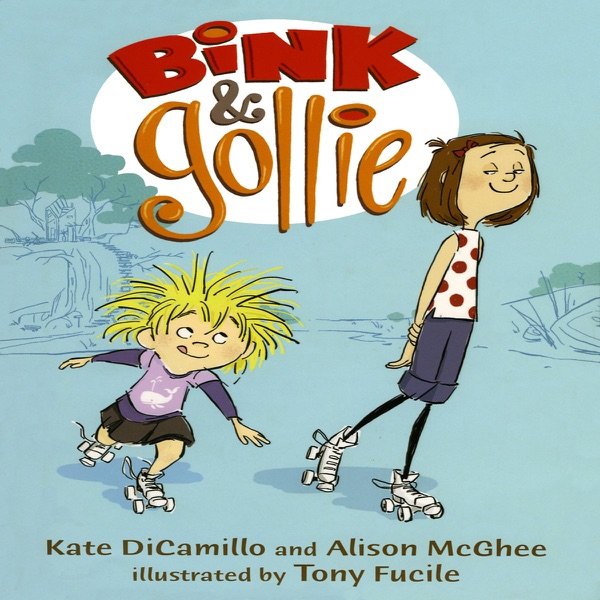
by Kate DiCamillo
Early reader · ages 5–8 · grades K–3 · 480L
DiCamillo's gift for character shines through silly, affectionate stories about friendship—the illustrations are expressive enough to carry vocabulary, and kids reread these obsessively.
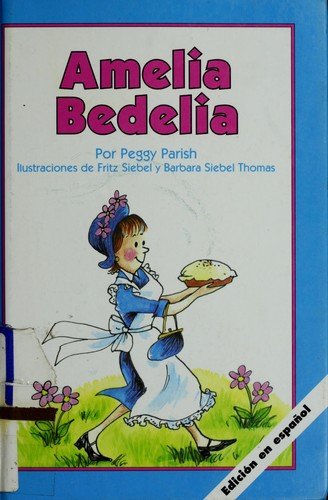
by Peggy Parish
Early reader · ages 5–8 · grades K–3 · 460L
The original word-play machine — a book that makes kids *want* to explain homophones and idioms to adults, and their own first encounter with the idea that language has layers.
Complementing on imagination
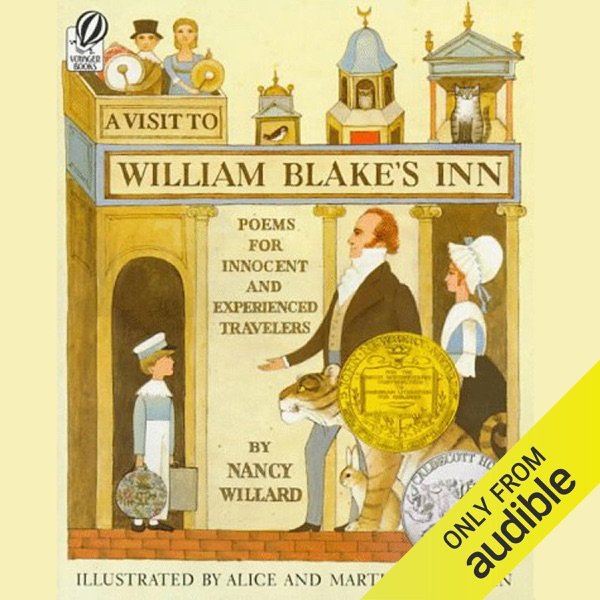
by Nancy Willard
Picture book · ages 4–9 · grades K–4 · 620L
A Newbery Medal winner that reads like illustrated poetry — Willard's language is playful and precise, Blake's influence is felt throughout, and children return to it because it feels like a secret.
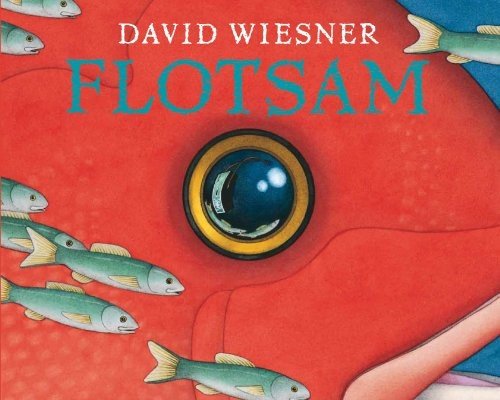
by David Wiesner
Picture book · ages 4–8 · grades K–3
A wordless masterpiece that teaches observation and sparks imagination without a single sentence—kids stare at the panels, construct their own theories, and beg to flip through it again.
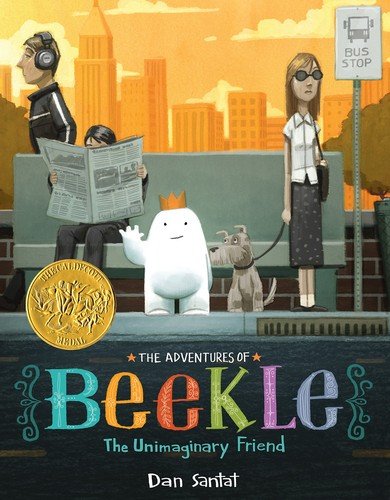
by Dan Santat
Picture book · ages 4–8 · grades K–3 · 620L
A Caldecott winner that genuinely earns it — the wordless passages and Santat's watercolor spreads do more work than the text, and the longing-to-connection arc lands with real emotional weight for kindergarteners and up.
We'd skip — for now
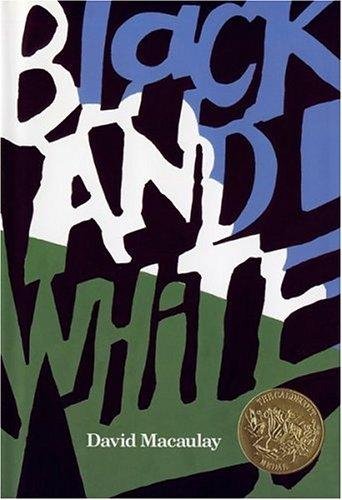
by David Macaulay
A step up — ages 8–12 · grades 3–7
Skip it if your child finds open-ended narratives frustrating or needs explicit narrative closure; the ambiguity is the point.
