For a reader who just finished
Books like How To: Absurd Scientific Advice for Common Real-World Problems
after How To: Absurd Scientific Advice for Common Real-World Problems by Randall Munroe · age 10+
Same style

by Jim Murphy
Nonfiction · ages 10–14 · grades 5–9 · 820L
Gripping, historically rigorous account that models how evidence overturns expert consensus—kids emerge understanding both the horror and the intellectual detective work of epidemiology.
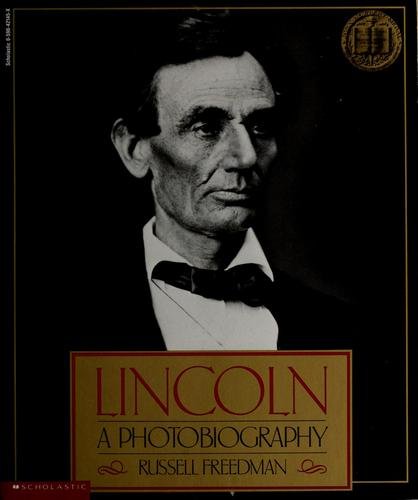
by Russell Freedman
Nonfiction · ages 9–12 · grades 4–7 · 780L
The gold standard for presidential biography at this age—photographs do the heavy lifting, prose is precise without being dry, and kids grasp both Lincoln's ordinariness and his moral consequence.
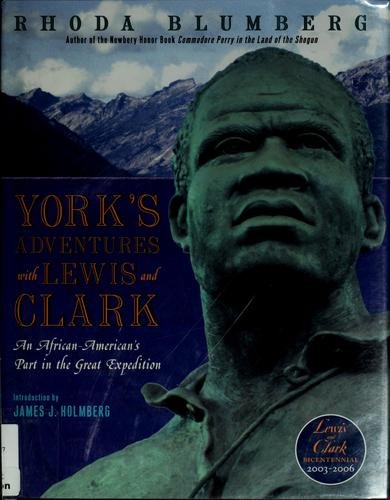
by Rhoda Blumberg
Nonfiction · ages 8–12 · grades 3–7 · 790L
The only children's biography that treats York as a thinking subject rather than a sidecar to Lewis and Clark; Blumberg's honesty about historical gaps models what real scholarship looks like.
Complementing on scientific method
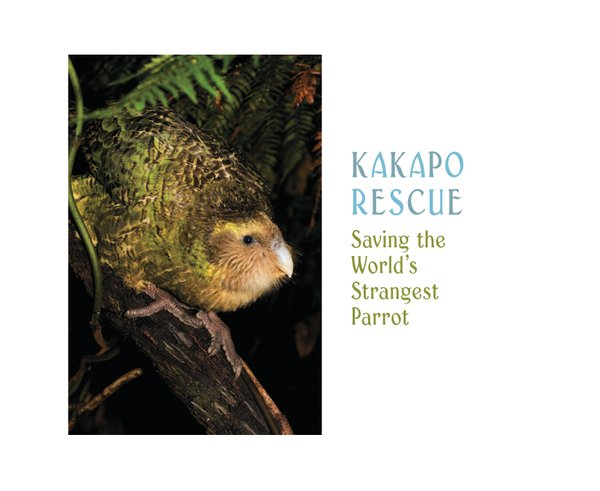
by Sy Montgomery
Nonfiction · ages 8–12 · grades 3–7 · 720L
Montgomery's infectious curiosity and on-the-ground reporting make conservation science visceral and urgent—kids finish this wanting to know how to help, not just what the problem is.
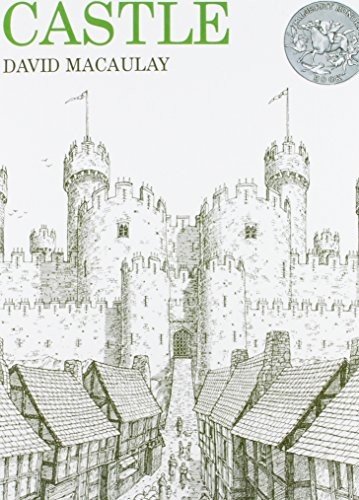
by David Macaulay
Nonfiction · ages 8–12 · grades 3–7 · 720L
Macaulay's masterpiece — architectural history made visceral through illustration and narrative; kids who engage deeply will ask real questions about how things are built.
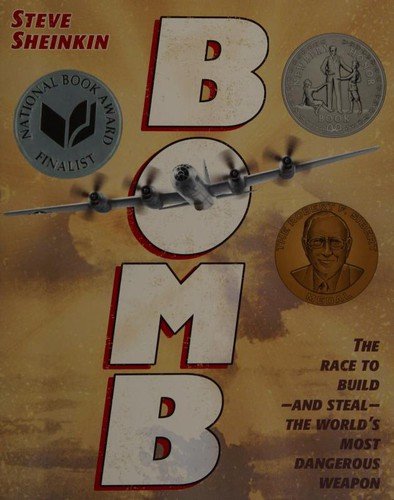
by Steve Sheinkin
Nonfiction · ages 10–14 · grades 5–9 · 820L
A genuine page-turner that makes nuclear physics and WWII espionage accessible to smart 11-year-olds without dumbing down the science or the moral complexity.
We'd skip — for now
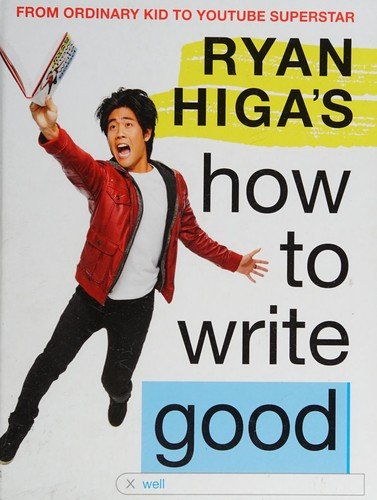
by Ryan Higa
A step up — ages 10–16 · grades 5–11
Skip it if your kid finds meta-humor about writing itself off-putting or has no interest in the mechanics of storytelling.
