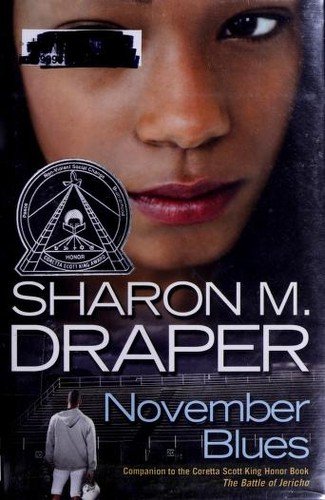
November Blues
Middle grade · ages 10–14 · grades 5–9 · 790L · 2007
A serious, multi-voiced novel about teenagers processing sudden death; emotionally honest without being punitive, and one of the few books that lets grief stay complicated.
For a reader who just finished
after How Do You Live? by Genzaburō Yoshino · ages 9–12
Middle grade · grades 4–7 · 850L
A profound, quiet meditation on grief and integrity that feels like a conversation with a wise elder rather than a typical YA plot.
Same style
Middle grade · ages 10–14 · grades 5–9 · 790L · 2007
A serious, multi-voiced novel about teenagers processing sudden death; emotionally honest without being punitive, and one of the few books that lets grief stay complicated.
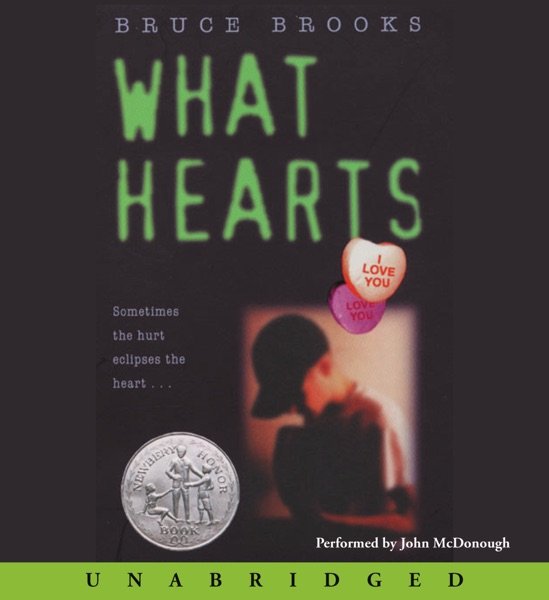
by Bruce Brooks
Middle grade · ages 8–12 · grades 3–7 · 780L
The most honest children's book about divorce ever written—no villain, no tidy lessons, just a kid learning to live inside contradiction.
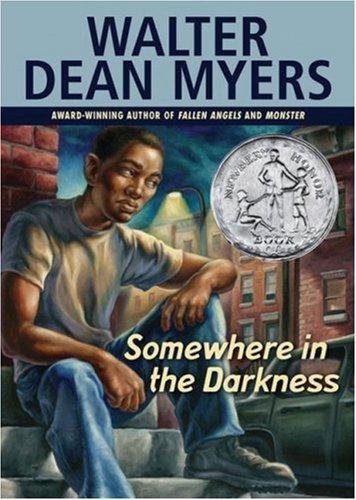
Middle grade · ages 10–14 · grades 5–9 · 760L
A searing, unsentimental portrait of a boy trying to know his incarcerated father before death intervenes—Myers doesn't soften the complexity or the pain, which is precisely why it lands.
Stretch them up
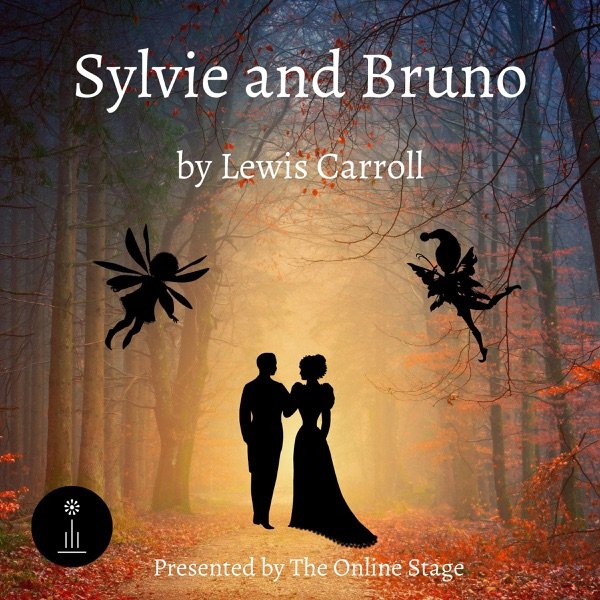
Middle grade · ages 10–14 · grades 5–9 · 1050L · 2018
Carroll's most structurally ambitious work and genuinely strange—the dual-timeline narrative and philosophical digressions demand real attention, but kids who love language puzzles and moral fables will find it rewarding.
Complementing on a good life
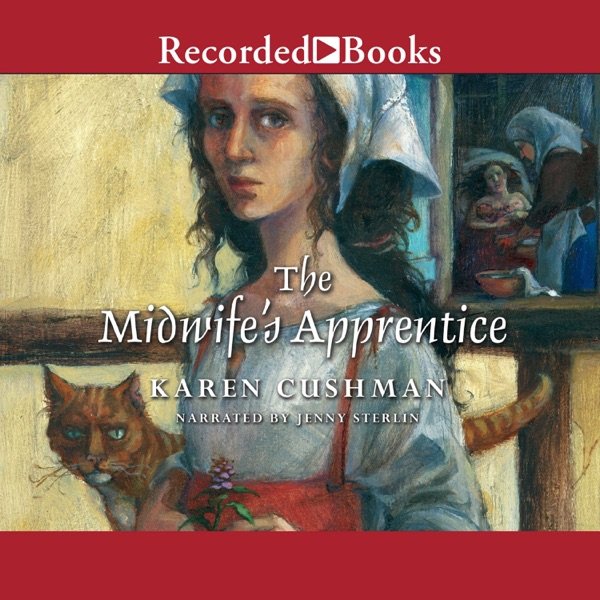
Middle grade · ages 10–14 · grades 5–9 · 780L · 1997
A Newbery winner that earns it: a girl with no name becomes herself through honest work and adult recognition; the medieval setting and childbirth apprenticeship feel urgent and real, not decorative.
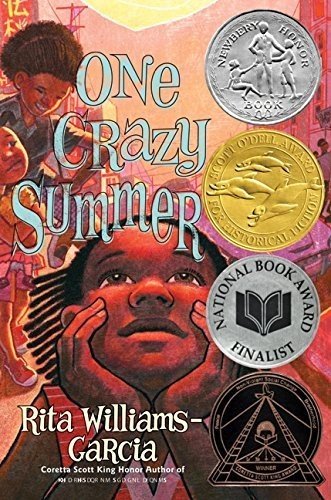
Middle grade · ages 8–12 · grades 3–7 · 750L · 2019
A richly layered book about sisterhood, identity, and reckoning with parental complexity that treats kids' emotional intelligence seriously—the ending doesn't tidy up, which is exactly why it stays with them.
Nonfiction · ages 8–12 · grades 3–7 · 820L · 1995
A Newbery Medal winner that reads like a novel but grounds kids in how writers actually live and work—Alcott's poverty and grit are unsentimental, her ambition is real, and 19th-century Concord becomes vividly present.
We'd skip — for now
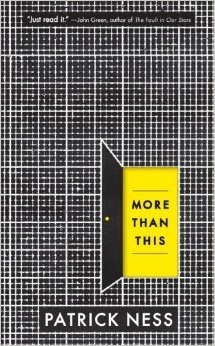
by Patrick Ness
A step up — ages 12–18 · grades 7–12
Skip it if your child has unprocessed grief around death, or if ambiguous/surreal endings trigger anxiety rather than intrigue; the book refuses easy answers.