For a reader who just finished
Books like Hot Air: The (Mostly) True Story of the First Hot-Air Balloon Ride
after Hot Air: The (Mostly) True Story of the First Hot-Air Balloon Ride by Marjorie Priceman · ages 5–8
Same style
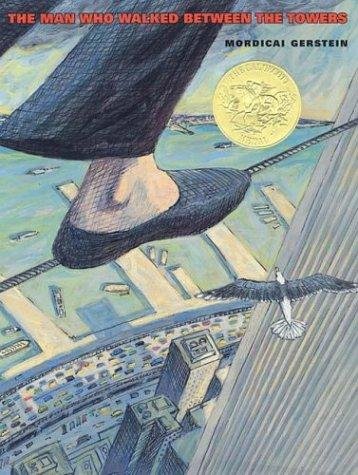
by Mordicai Gerstein
Picture book · ages 4–8 · grades K–3 · 620L
A Caldecott winner about a real, astonishing event—Gerstein's spare prose and soaring illustrations make this feel mythic without sentimentalizing, and kids understand immediately why someone would risk everything for beauty.
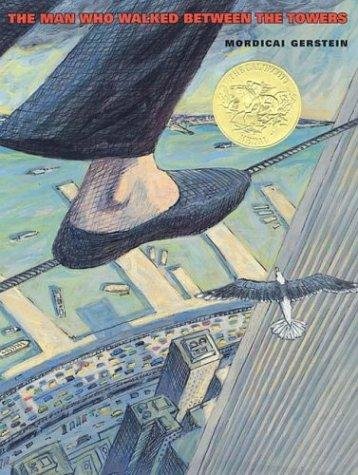
by Mordicai Gerstein
Picture book · ages 4–8 · grades K–3 · 620L
A Caldecott winner about a real, astonishing event—Gerstein's spare prose and soaring illustrations make this feel mythic without sentimentalizing, and kids understand immediately why someone would risk everything for beauty.
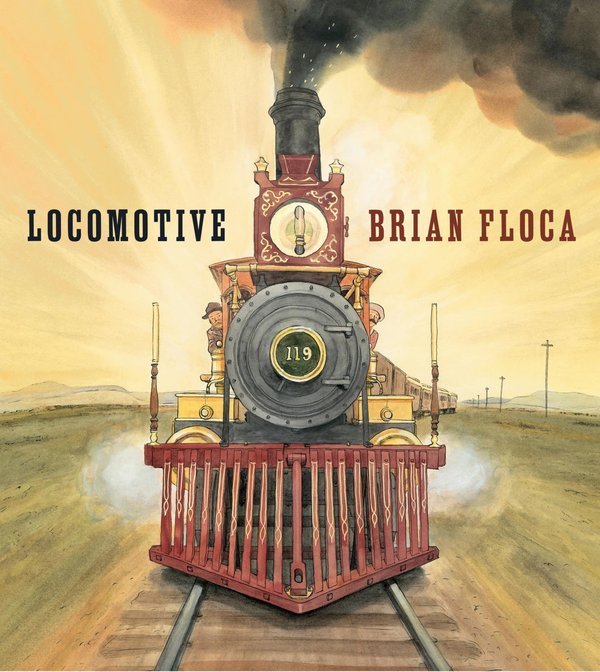
by Brian Floca
Picture book · ages 5–9 · grades K–4 · 620L
A Caldecott winner that justifies it—meticulous drawings teach how machines actually work while a boy's perspective keeps it intimate and alive.
Stretch them up
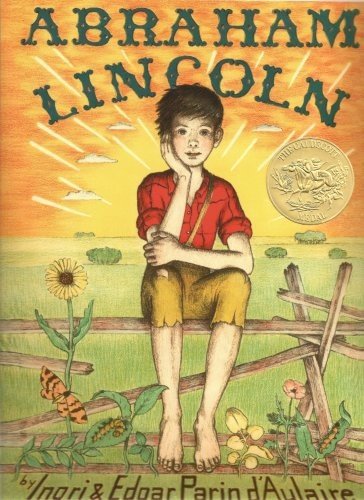
by Ingri and Edgar Parin d'Aulaire
Picture book · ages 6–10 · grades 1–5 · 800L
The d'Aulaires' Lincoln is a masterpiece—sumptuous illustrations and narrative prose that makes a difficult life feel epic and human; kids absorb both the story and a sense of why Lincoln matters.
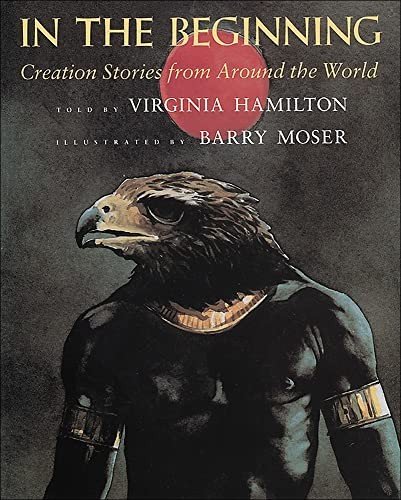
by Virginia Hamilton
Picture book · ages 5–9 · grades K–4 · 820L
Gorgeous, sophisticated, and genuinely restful — Hamilton's prose elevates world mythology without condescension, and Barry Moser's illustrations deepen the dreamlike authority of each story.
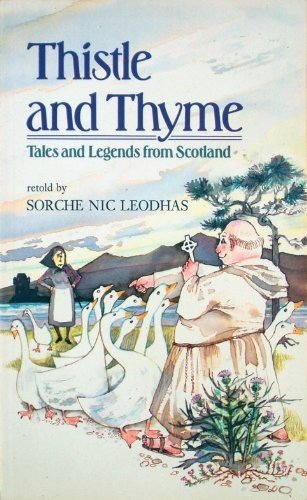
by Sorche Nic Leodhas
Picture book · ages 6–10 · grades 1–5 · 750L
Nic Leodhas is a master of folkloric voice—these Scottish tales are funny, strange, and told with a cadence that makes them feel lived-in; read aloud for maximum enchantment.
Complementing on observation evidence
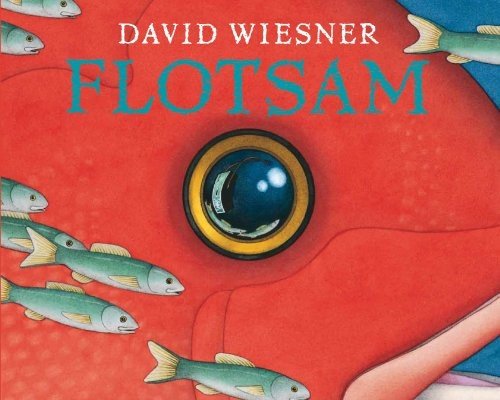
by David Wiesner
Picture book · ages 4–8 · grades K–3
A wordless masterpiece that teaches observation and sparks imagination without a single sentence—kids stare at the panels, construct their own theories, and beg to flip through it again.
by Leo Politi
Picture book · ages 4–8 · grades K–3 · 620L
A 1946 Newbery winner that holds up: lyrical, culturally grounded, and teaches patient observation without preaching—the swallows are a genuine draw, not a metaphor.
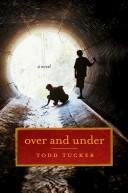
by Todd Tucker
Picture book · ages 4–8 · grades K–3 · 600L
A quiet masterpiece that teaches observation without a word of didacticism—kids naturally want to lift the flaps and peek, building real naturalist instincts.
We'd skip — for now
by Sidney Rosen
A step up — ages 8–12 · grades 3–7
Skip it if your child has learned that Galileo invented the telescope (he didn't, and this corrects that myth—worth knowing, but some curricula may conflict).
