April & Mae
by T. Y. Somerville
Middle grade · ages 8–12 · grades 3–7 · 750L · 2022
A charming and low-stakes look at sibling dynamics that feels like a warm hug rather than a lesson.
For a reader who just finished
after Hollyhocks and Dill by Deborah Fliehman · ages 8–12
Middle grade · grades 3–7 · 650L
A gentle, low-stakes look at the 'big sibling' adjustment period that feels authentic without being preachy.
Same style
by T. Y. Somerville
Middle grade · ages 8–12 · grades 3–7 · 750L · 2022
A charming and low-stakes look at sibling dynamics that feels like a warm hug rather than a lesson.
Middle grade · ages 8–12 · grades 3–7 · 680L · 2024
A charming, low-stakes companion to Mercy Watson that captures the chaotic joy of a dog's perspective without any real peril.
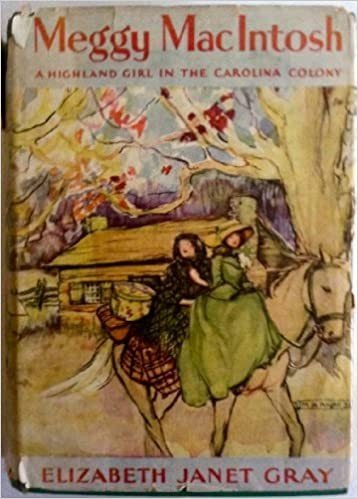
Middle grade · ages 8–12 · grades 3–7 · 720L · 1944
A solidly crafted 1940s realist novel about a Scottish girl adjusting to American small-town life; warm but slightly dated in pacing and character development compared to modern middle grade.
Stretch them up
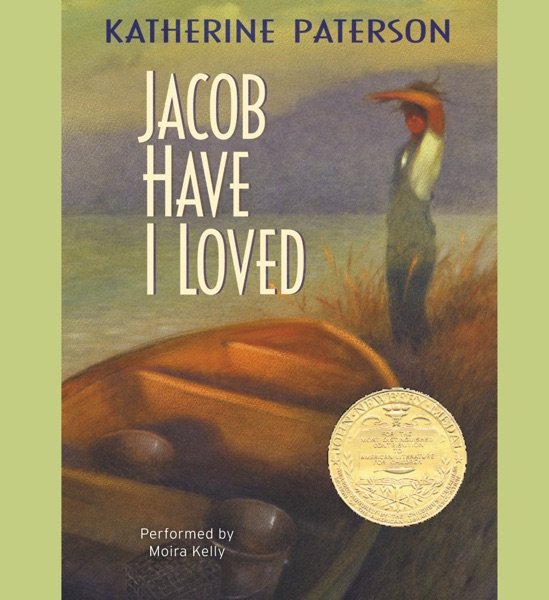
Middle grade · ages 10–14 · grades 5–9 · 820L · 2009
A Newbery winner that actually deserves it—Paterson writes sibling resentment and reconciliation with such honesty that kids recognize their own families, and the 1941 Chesapeake setting carries real historical weight without preaching.
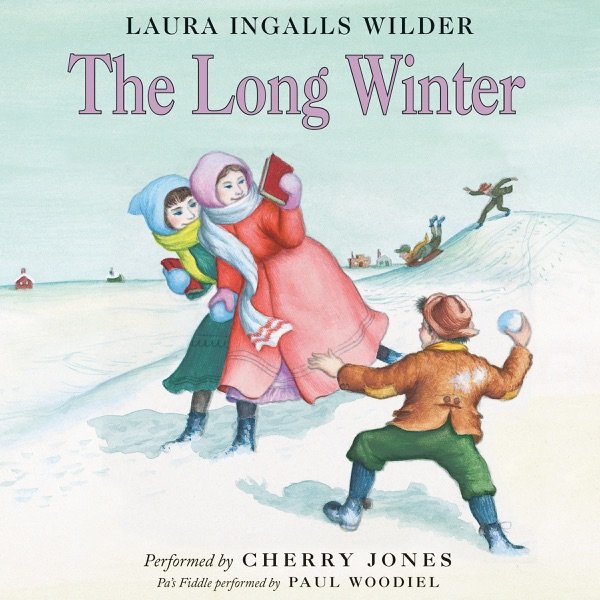
Middle grade · ages 8–12 · grades 3–7 · 740L · 2003
The most gripping book in the series—a taut survival narrative that doesn't sentimentalize hardship, and kids emerge understanding both pioneer resourcefulness and genuine historical vulnerability.
Middle grade · ages 10–14 · grades 5–9 · 760L · 2010
A genuinely serious middle-grade book about the Myanmar–Thailand border crisis that trusts kids to hold complexity without patronizing them; the dual narrative is a structural masterstroke.
Complementing on naming feelings
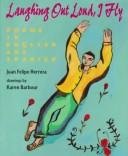
Verse novel · ages 6–10 · grades 1–5 · 520L · 1998
A masterwork of bilingual wordplay that reads aloud with infectious energy—kids feel seen in the code-switching, and the poems actively teach that two languages in one mind is a superpower, not a problem.
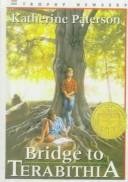
Middle grade · ages 8–12 · grades 3–7 · 740L · 1999
A watershed book for most kids who read it—not because it's cheerful, but because it takes grief seriously and shows that imagination can be both escape and source of real connection.

Middle grade · ages 10–14 · grades 5–9 · 720L · 2009
The most accessible gateway to Japanese American internment for kids who are ready; Hirahara refuses sentimentality without being bleak, and the crane metaphor carries genuine weight.
We'd skip — for now
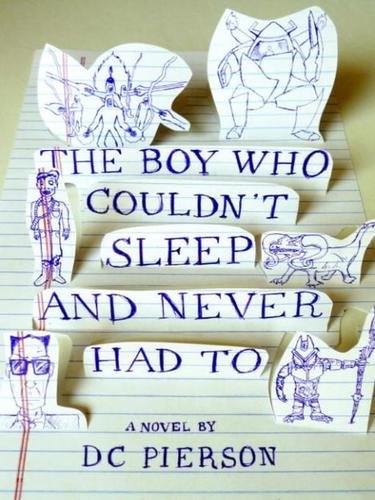
by DC Pierson
A step up — ages 12–15 · grades 7–10
Skip it if your child has unmedicated ADHD and finds books about hyperactive protagonists overstimulating — Darren's racing mind might feel too familiar in a difficult way.