For a reader who just finished
Books like Hole in the Sky
after Hole in the Sky by Daniel H. Wilson · ages 10–14
Same style
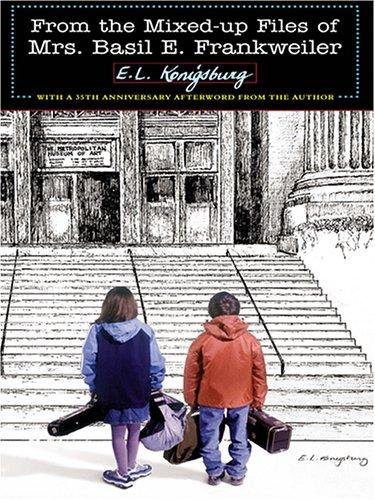
by E. L. Konigsburg
Middle grade · ages 8–12 · grades 3–7 · 790L
A book that trusts kids to be intellectually bored and emotionally complex—Claudia's runaway isn't melodrama, it's a quiet reckoning with identity that lands harder on rereads.
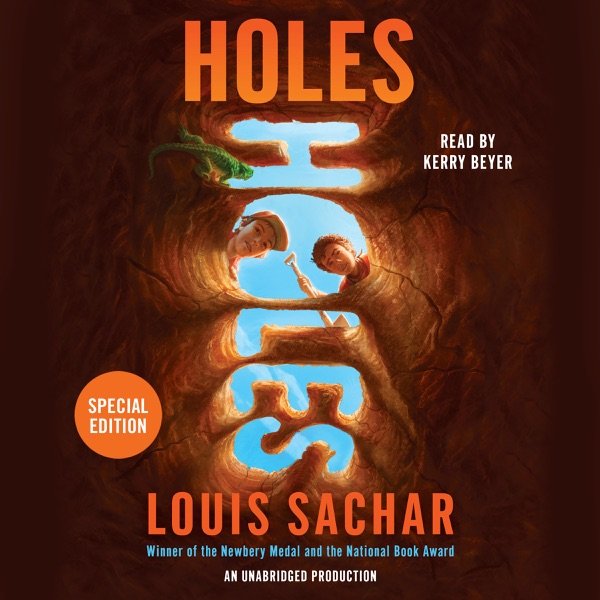
by Louis Sachar
Middle grade · ages 10–14 · grades 5–9 · 740L
A masterwork of interlocking narratives that rewards rereading — kids solve the mystery alongside Stanley, and the structure itself teaches cause-and-effect thinking.
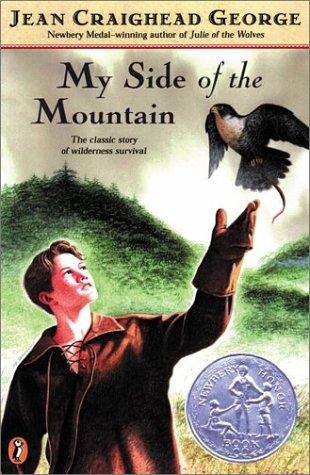
by Jean Craighead George
Middle grade · ages 10–14 · grades 5–9 · 760L
A foundational wilderness-survival novel that teaches resourcefulness through authentic struggle, not sentimentality—Sam's triumph is earned through failure, observation, and persistence.
Stretch them up
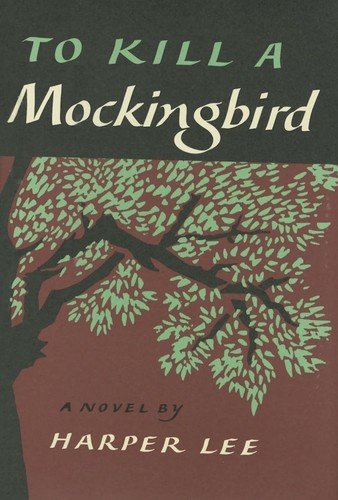
by Harper Lee
Middle grade · ages 10–14 · grades 5–9 · 870L
The most important American novel for this age—not because it's easy, but because Atticus's quiet model of conscience shapes how children think about justice and courage for decades.
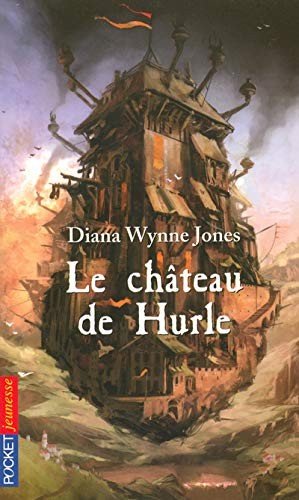
by Diana Wynne Jones
Young adult · ages 10–14 · grades 5–9 · 920L
A sly, emotionally satisfying fantasy that feels like a literary prize-winner disguised as a romp — Sophie's growth from cursed hat-maker to witch is the real magic.
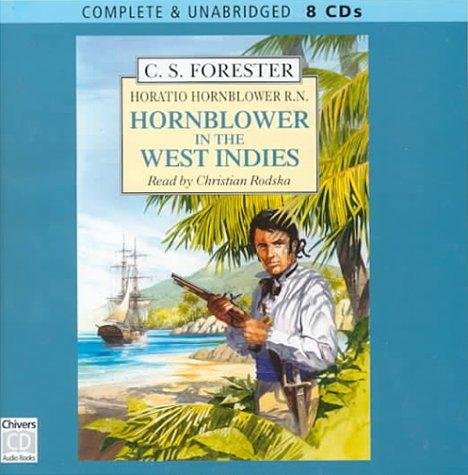
by C. S. Forester
Young adult · 950L
A late-career entry for adult Hornblower fans; rich naval prose and historical detail, but more accessible than early entries and genuinely engaging for strong teenage readers interested in age-appropriate historical fiction.
Complementing on scientific method
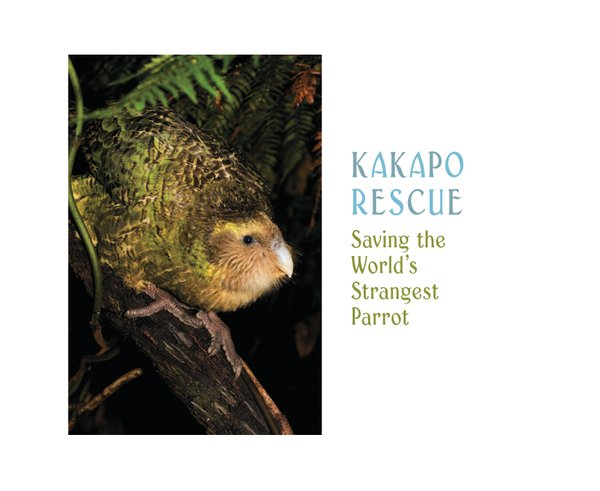
by Sy Montgomery
Nonfiction · ages 8–12 · grades 3–7 · 720L
Montgomery's infectious curiosity and on-the-ground reporting make conservation science visceral and urgent—kids finish this wanting to know how to help, not just what the problem is.
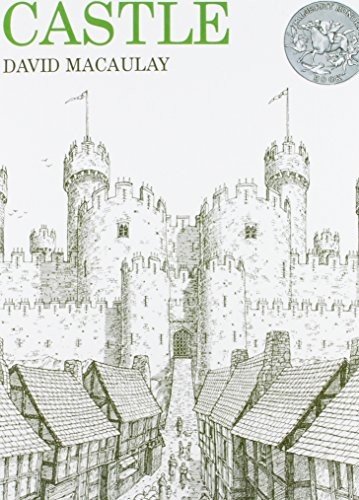
by David Macaulay
Nonfiction · ages 8–12 · grades 3–7 · 720L
Macaulay's masterpiece — architectural history made visceral through illustration and narrative; kids who engage deeply will ask real questions about how things are built.
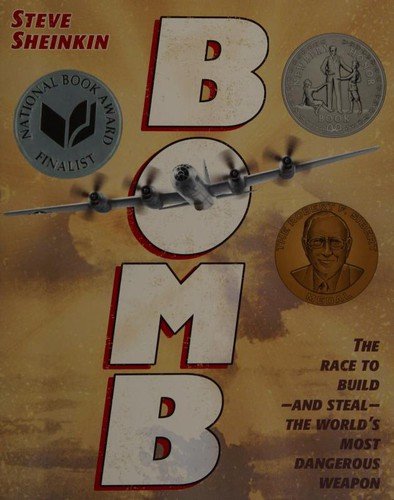
by Steve Sheinkin
Nonfiction · ages 10–14 · grades 5–9 · 820L
A genuine page-turner that makes nuclear physics and WWII espionage accessible to smart 11-year-olds without dumbing down the science or the moral complexity.
We'd skip — for now
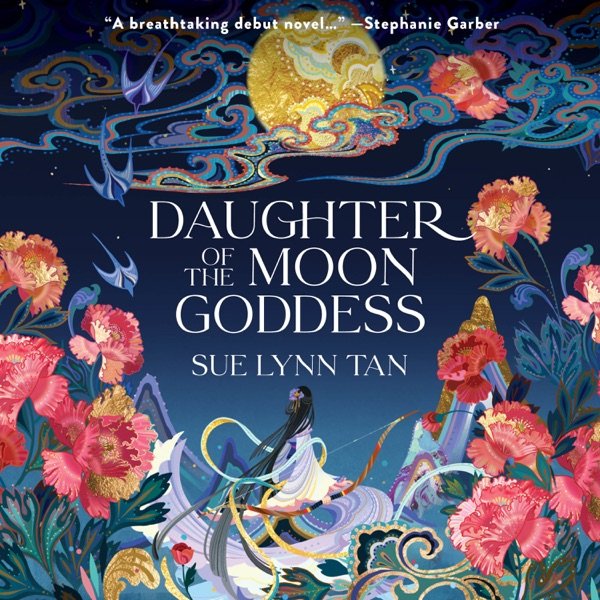
by Sue Lynn Tan
A step up — ages 14–18 · grades 9–12
Skip it if your teen has been spooked by sustained magical threat or combat; there are extended battle scenes and genuine peril to beloved characters.
