For a reader who just finished
Books like Henry – Fisherman
after Henry – Fisherman by Marcia Brown · ages 4–8
Same style
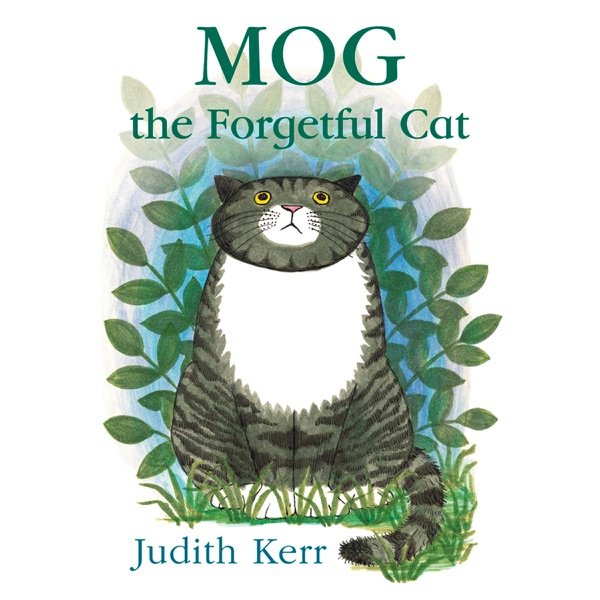
by Judith Kerr
Picture book · ages 3–7 · grades K–2 · 380L
Warm, gently funny, and endlessly rereadable—Kerr's illustrations make Mog's confusion and the family's exasperation unmistakably clear, and kids recognize themselves in loving something imperfect.
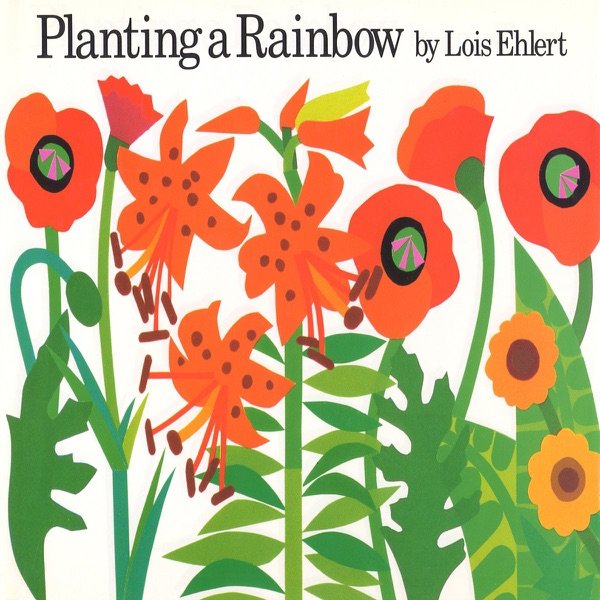
by Lois Ehlert
Picture book · ages 2–6 · grades K–1
A quiet, joyful celebration of gardens and color that works as both a read-aloud and an early-reader standalone—Ehlert's die-cuts and paper collage are pure visual teaching.
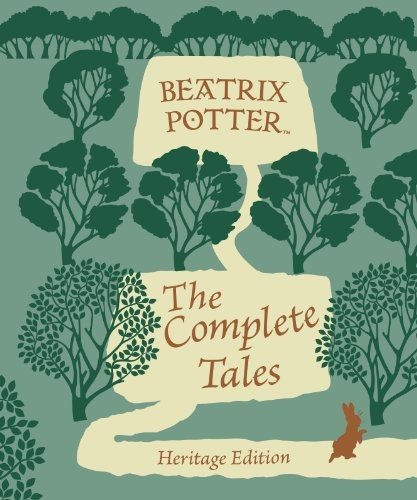
by Beatrix Potter
Picture book · ages 3–8 · grades K–3 · 350L
The originals — Potter's language is precise and slightly arch, her watercolors are exquisite, and the stories hold up as complete narratives, not simplified retellings.
Stretch them up
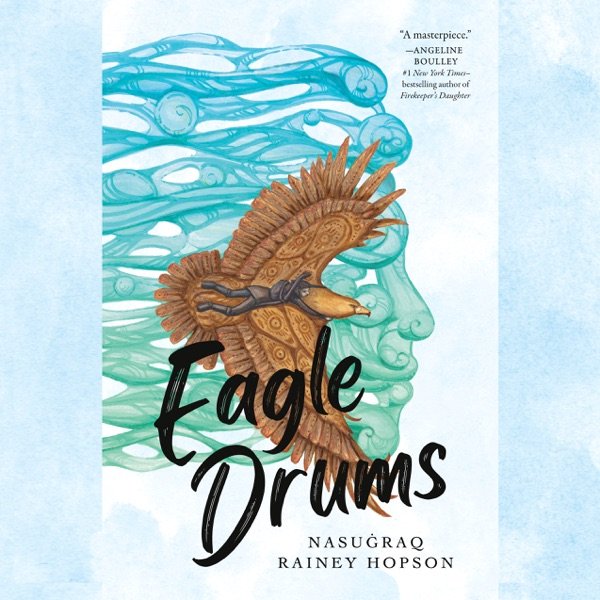
by Nasuġraq Rainey Hopson
Picture book · ages 4–8 · grades K–3 · 580L
A grounded, unsentimental introduction to Iñupiaq life and art-making that centers Indigenous voice and knowledge without performative cuteness—genuinely beautiful and necessary.
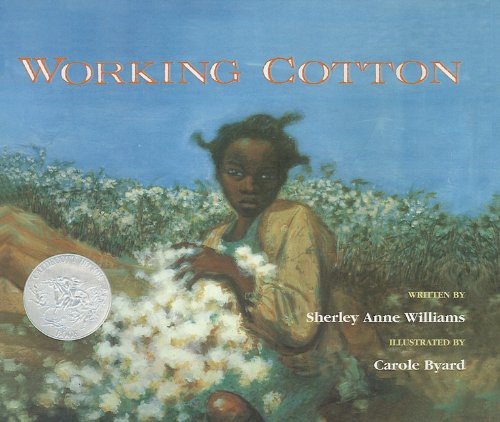
by Carole Byard
Picture book · ages 6–10 · grades 1–5 · 620L
Unflinching, lyrical, and told in the protagonist's own voice — this is the rare picture book that doesn't sentimentalize poverty but doesn't rob children of it either, and Carole Byard's collage art is extraordinary.
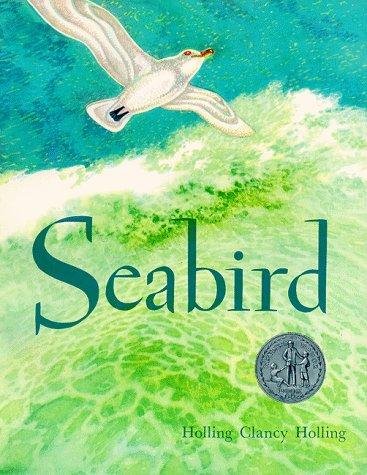
by Holling C. Holling
Picture book · ages 6–10 · grades 1–5 · 620L
A masterpiece of patient observation disguised as a picture book—the illustrations reward close, repeated looking and the text respects a child's intelligence without talking down.
Complementing on observation evidence
by Leo Politi
Picture book · ages 4–8 · grades K–3 · 620L
A 1946 Newbery winner that holds up: lyrical, culturally grounded, and teaches patient observation without preaching—the swallows are a genuine draw, not a metaphor.
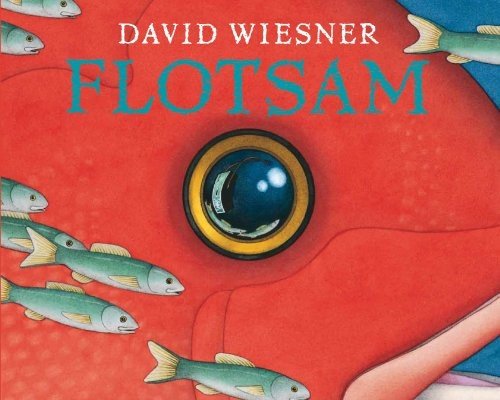
by David Wiesner
Picture book · ages 4–8 · grades K–3
A wordless masterpiece that teaches observation and sparks imagination without a single sentence—kids stare at the panels, construct their own theories, and beg to flip through it again.
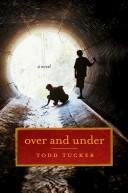
by Todd Tucker
Picture book · ages 4–8 · grades K–3 · 600L
A quiet masterpiece that teaches observation without a word of didacticism—kids naturally want to lift the flaps and peek, building real naturalist instincts.
We'd skip — for now
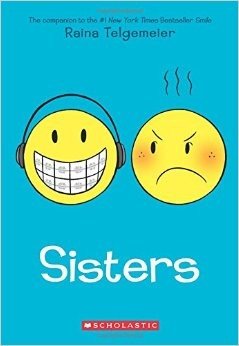
by Raina Telgemeier
A step up — ages 9–12 · grades 4–7
Skip it if your child has a contentious sibling relationship and needs gentler modeling; Raina's exasperation with Amara is realistic and might amplify existing tension.
