
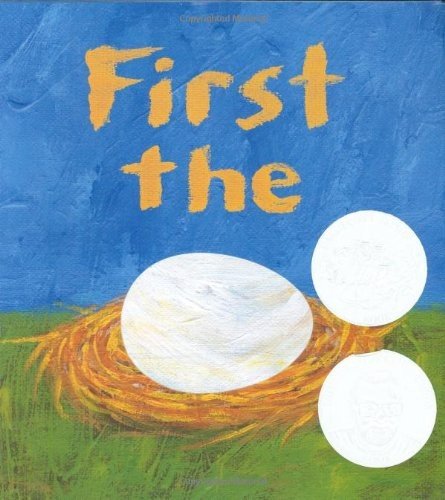
First the Egg
by Laura Vaccaro Seeger
Picture book · ages 2–5 · grade K
A nearly wordless picture book about transformation that preschoolers return to obsessively; the die-cut pages make the metamorphosis tactile and concrete.
For a reader who just finished
after Planting a Rainbow by Lois Ehlert · ages 2–6
Same style
by Laura Vaccaro Seeger
Picture book · ages 2–5 · grade K
A nearly wordless picture book about transformation that preschoolers return to obsessively; the die-cut pages make the metamorphosis tactile and concrete.
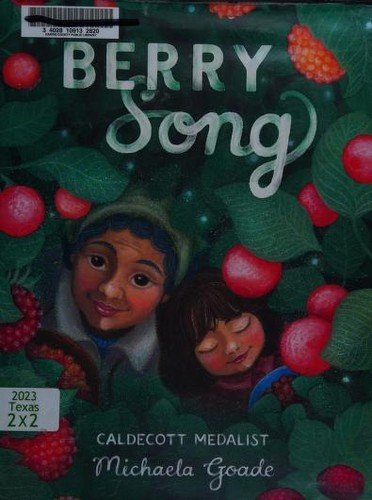
by Michaela Goade
Picture book · ages 3–7 · grades K–2
Michaela Goade's illustrations are so meticulously layered that kids will spend minutes on each page; the Caldecott Medal wasn't accidental—this is a rare picture book that teaches sustained looking.
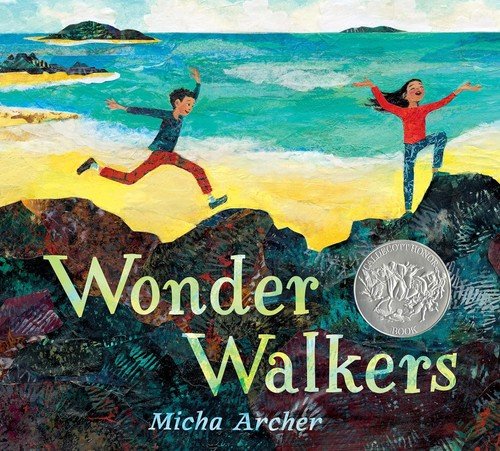
by Micha Archer
Picture book · ages 4–8 · grades K–3 · 420L
A quiet, joyful celebration of noticing — the kind of book that trains kids to actually *see* the world and ask real questions instead of moving past it.
Stretch them up

by Faith Ringgold
Picture book · ages 4–8 · grades K–3 · 650L
A picture book that works at 6 and deepens at 9—Ringgold's quilted illustrations and Cassie's dreaming of flight and ownership will stick with your kid for years, and the 1930s Harlem setting opens conversations about racism, class, and what freedom means.
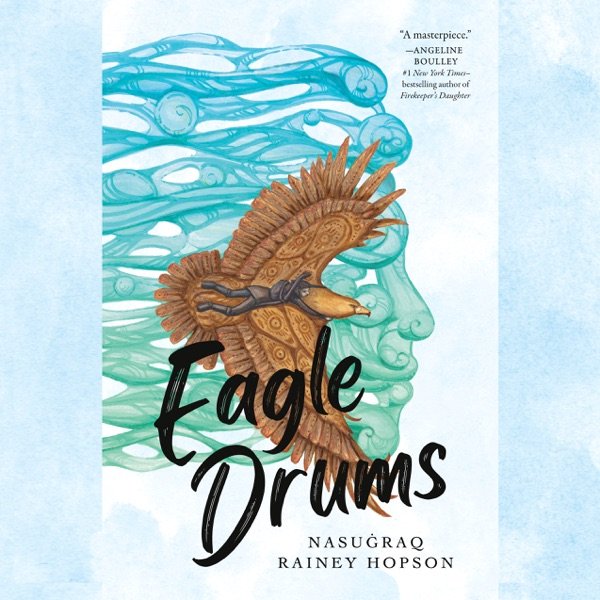
by Nasuġraq Rainey Hopson
Picture book · ages 4–8 · grades K–3 · 580L
A grounded, unsentimental introduction to Iñupiaq life and art-making that centers Indigenous voice and knowledge without performative cuteness—genuinely beautiful and necessary.

by William Steig
Picture book · ages 4–8 · grades K–3 · 620L
A quietly haunting picture book that handles loss and separation without melodrama — the magic pebble is just a frame for the real story about wanting to come home.
Complementing on observation evidence
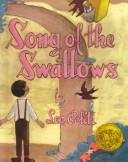
by Leo Politi
Picture book · ages 4–8 · grades K–3 · 620L
A 1946 Newbery winner that holds up: lyrical, culturally grounded, and teaches patient observation without preaching—the swallows are a genuine draw, not a metaphor.
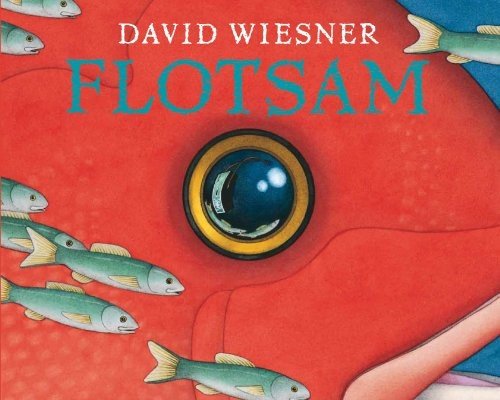
by David Wiesner
Picture book · ages 4–8 · grades K–3
A wordless masterpiece that teaches observation and sparks imagination without a single sentence—kids stare at the panels, construct their own theories, and beg to flip through it again.
by Todd Tucker
Picture book · ages 4–8 · grades K–3 · 600L
A quiet masterpiece that teaches observation without a word of didacticism—kids naturally want to lift the flaps and peek, building real naturalist instincts.
We'd skip — for now
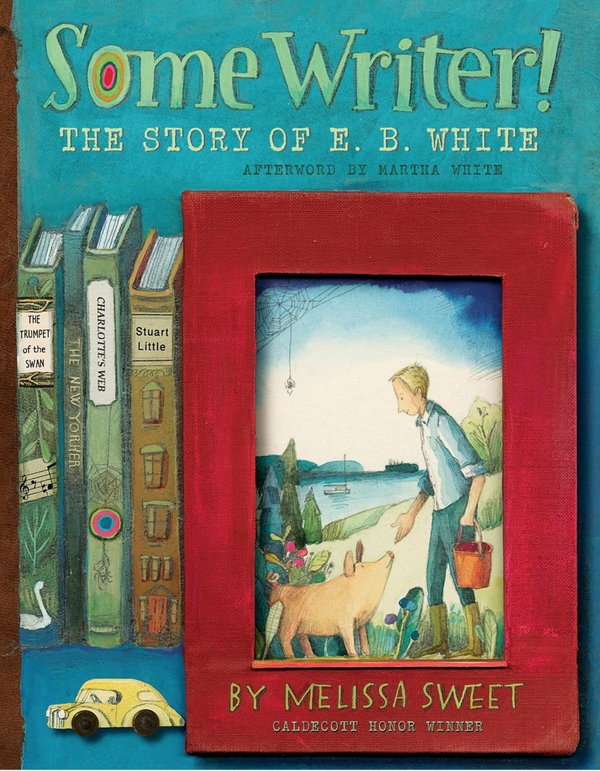
by Melissa Sweet
A step up — ages 6–9 · grades 1–4
Skip it if your child is impatient with slower, reflective pacing or uninterested in how writers develop their craft.