For a reader who just finished
Books like Genesis Begins Again
after Genesis Begins Again by Alicia D. Williams · ages 8–12
Same style
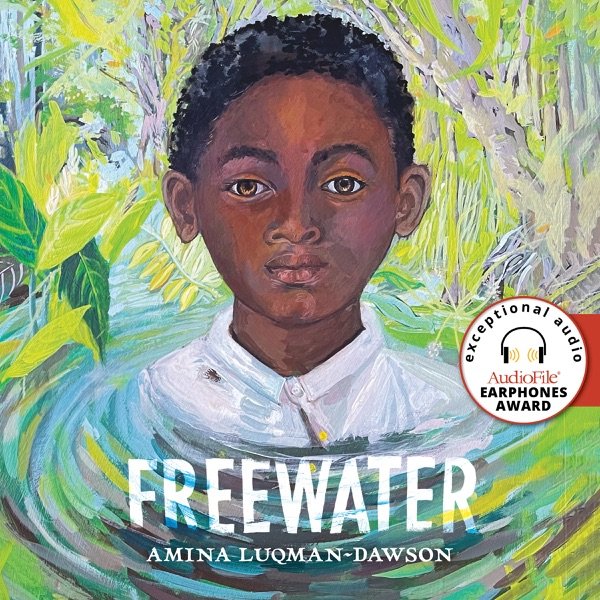
by Amina Luqman-Dawson
Middle grade · ages 10–14 · grades 5–9 · 780L
A rare middle-grade novel that treats slavery and Black resistance with intellectual and emotional honesty—no sanitizing, no triumph-narrative shortcuts, but genuine complexity and beauty.
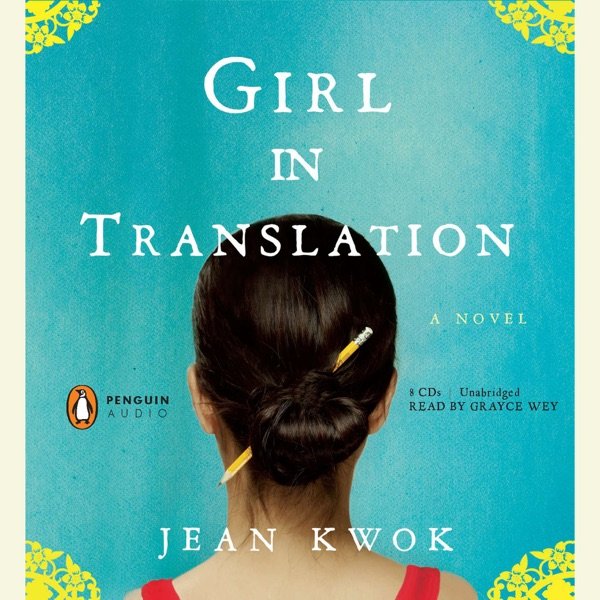
by Jean Kwok
Middle grade · ages 10–14 · grades 5–9 · 780L
A serious, unsentimental account of childhood under economic and cultural pressure—honest about both parental love and harm, and genuinely literature, not didactic.
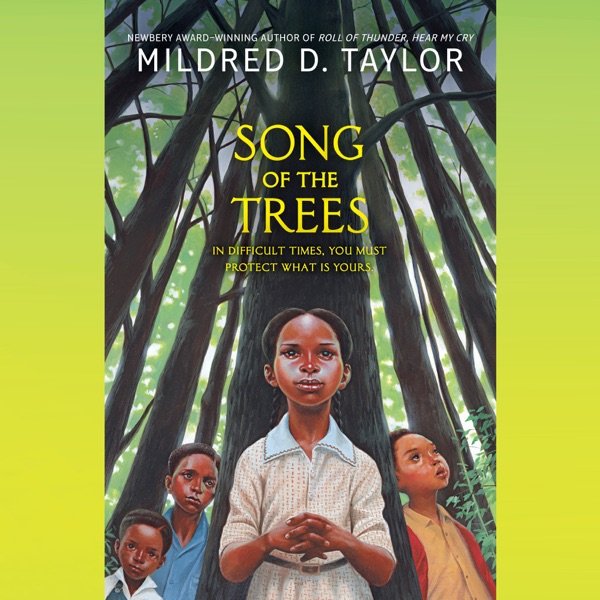
by Mildred Taylor
Middle grade · ages 8–12 · grades 3–7 · 780L
A quiet, powerful introduction to systemic racism and moral courage—short enough for one sitting, unforgettable enough to return to; best read with a parent who can discuss the 1930s South and land ownership.
Stretch them up
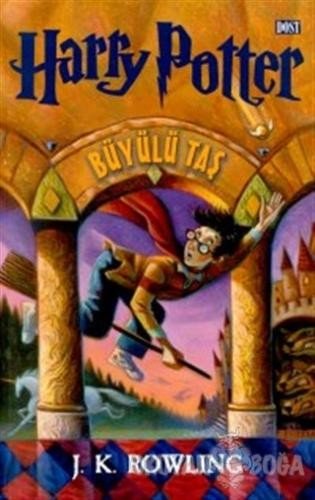
by J. K. Rowling
Middle grade · ages 9–12 · grades 4–7 · 880L
The book that redefined children's fiction — richly imagined world, genuine stakes, prose that respects young readers, and a protagonist's journey from isolation to belonging that doesn't feel saccharine.
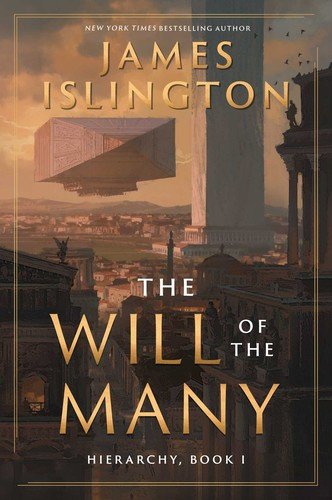
by James Islington
Middle grade · ages 10–14 · grades 5–9 · 890L
A genuinely sophisticated magic system wrapped in a mystery about identity — harder than typical middle grade but rewarding for strong readers who don't need constant humor.

by Alexandre Dumas
Middle grade · ages 10–14 · grades 5–9 · 850L
Dumas's most intellectually challenging novel for this age — the identity-swap plot demands careful attention, but the pacing and moral ambiguity reward readers ready to wrestle with unfair systems.
Complementing on courage
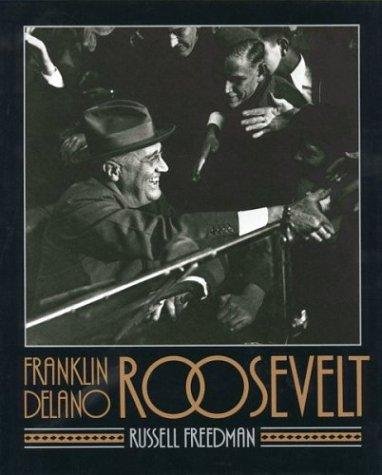
by Russell Freedman
Nonfiction · ages 9–12 · grades 4–7 · 820L
Freedman's accessible, photo-rich biography makes FDR's disability and determination feel immediate without sentimentality; kids grasp both the man and the era.
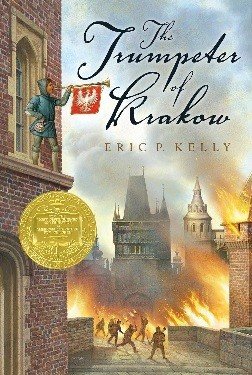
by Eric P. Kelly
Middle grade · ages 8–12 · grades 3–7 · 800L
A Newbery winner that feels genuinely historical without being a slog — the mystery of the trumpet and the boy's quiet bravery make it memorable for kids who can handle older prose.
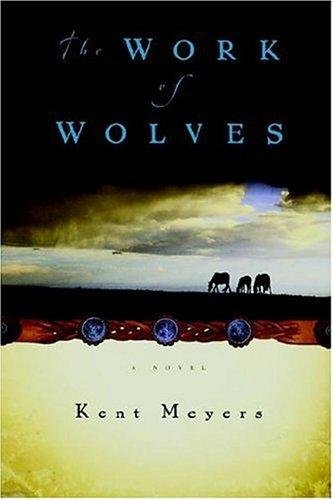
by Kent Meyers
Middle grade · ages 10–14 · grades 5–9 · 780L
Quiet, grounded coming-of-age where a Nebraska kid learns to trust observation over inherited fear—Meyers' prose is deliberate and the wolf ecology is genuinely taught, not romanticized.
We'd skip — for now
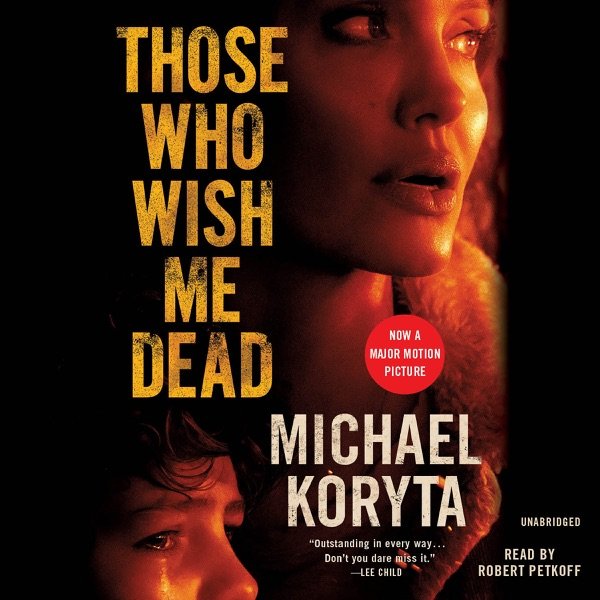
by Michael Koryta
A step up — ages 14–18 · grades 9–12
Skip it if your child is squeamish about injury or sustained threat; there are on-page deaths and real physical peril throughout.
