For a reader who just finished
Books like Freedom Riders: John Lewis and Jim Zwerg on the Front Lines of the Civil Rights Movement
after Freedom Riders: John Lewis and Jim Zwerg on the Front Lines of the Civil Rights Movement by — · ages 10–14
Same style
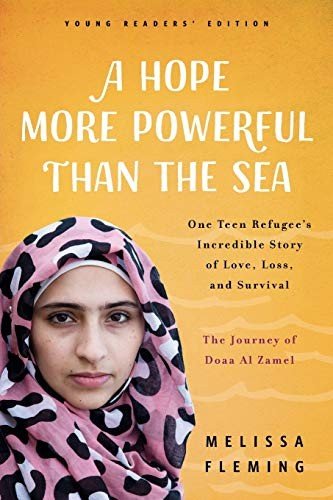
by Melissa Fleming
Nonfiction · ages 10–14 · grades 5–9 · 820L
Essential, age-appropriate introduction to the Syrian refugee crisis through a real teen's voice—unflinching about loss and fear, but anchored in Doaa's dignity and love for her family.
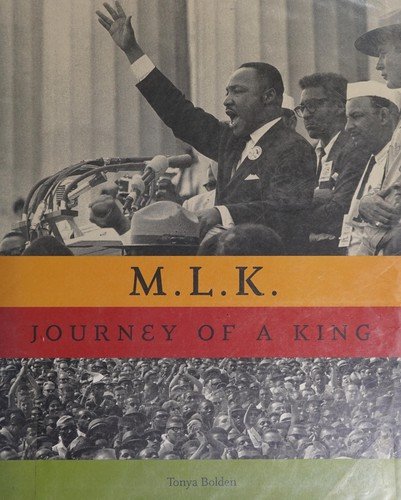
by Tonya Bolden
Nonfiction · ages 8–12 · grades 3–7 · 820L
The most readable MLK biography for this age — Bolden's accessible prose and archival illustrations make his humanity and moral reasoning vivid without sanitizing the violence or grief he faced.
by Julius Lester
Nonfiction · age 10+ · grade 5+ · 780L
A harrowing, unflinching introduction to slavery through the voices of the enslaved themselves—essential reading for understanding American history, but only with a mature child and ideally a parent nearby to process.
Complementing on courage
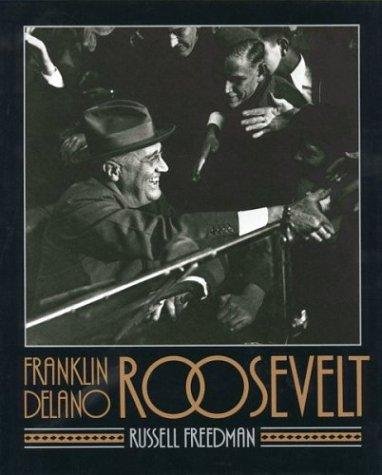
by Russell Freedman
Nonfiction · ages 9–12 · grades 4–7 · 820L
Freedman's accessible, photo-rich biography makes FDR's disability and determination feel immediate without sentimentality; kids grasp both the man and the era.
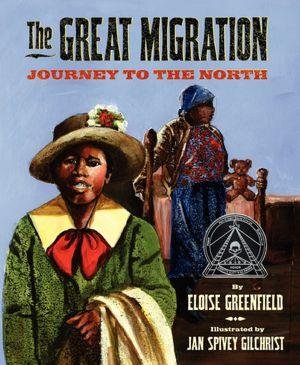
by Eloise Greenfield
Picture book · ages 6–9 · grades 1–4 · 620L
Eloise Greenfield's only children's book about the Great Migration—lyrical, historically grounded, and emotionally honest without being heavy; the illustrations anchor abstract history in real bodies and faces.
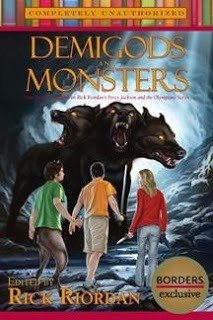
by Rick Riordan
Middle grade · ages 9–12 · grades 4–7 · 740L
The gold standard entry point for myths, quests, and kids who love witty protagonists — the ADHD/dyslexia angle feels earned, not decorative, and Riordan's voice carries slow readers through.
We'd skip — for now
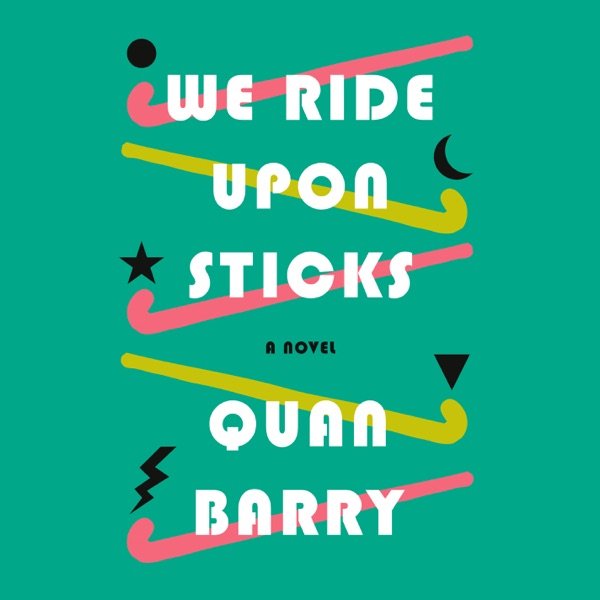
by Quan Barry
A step up — ages 14–18 · grades 9–12
Skip it if your teen is unsettled by queer content or has limited tolerance for literary structure and nonlinear narrative (shifts between verse, dialogue, and prose).
