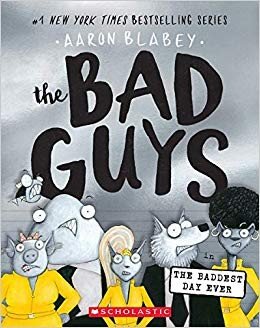
The Bad Guys in The Furball Strikes Back
by Aaron Blabey
Graphic novel · ages 5–9 · grades K–4 · 380L · 2019
Consistently ridiculous graphic humor that holds the series' momentum; kids devour these faster than parents can restock.
For a reader who just finished
after Flip! by Ngozi Ukazu · ages 8–12
Graphic novel · grades 3–7 · 350L
A visual treat that relies on physical comedy and pacing rather than dialogue, making it a perfect palate cleanser for reluctant readers who find text-heavy books daunting.
Same style
by Aaron Blabey
Graphic novel · ages 5–9 · grades K–4 · 380L · 2019
Consistently ridiculous graphic humor that holds the series' momentum; kids devour these faster than parents can restock.
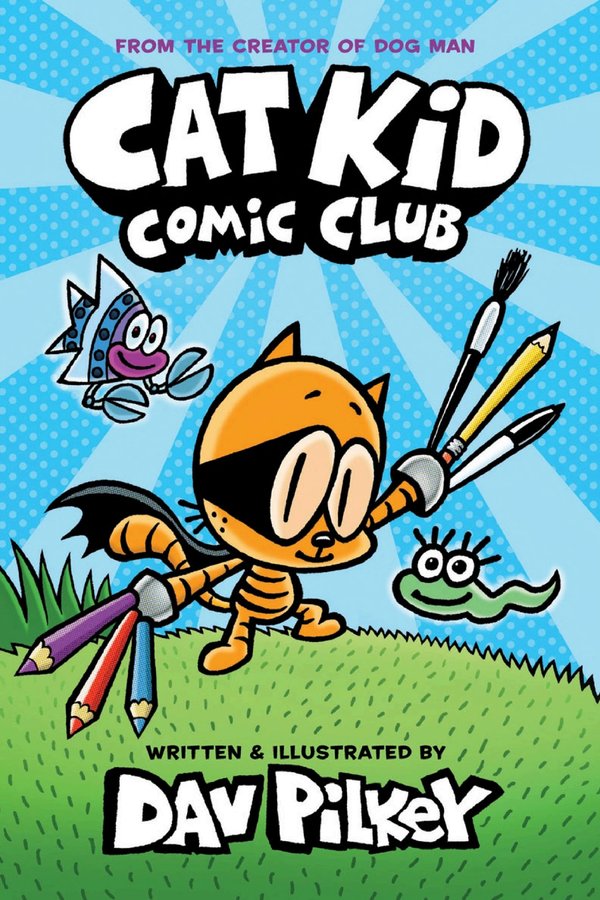
by Dav Pilkey
Graphic novel · ages 6–9 · grades 1–4 · 420L · 2020
Pilkey's most earnest entry in the Dog Man universe — kids genuinely want to make comics after reading it, and the meta-commentary on sequential art doesn't bog down the silly hijinks.
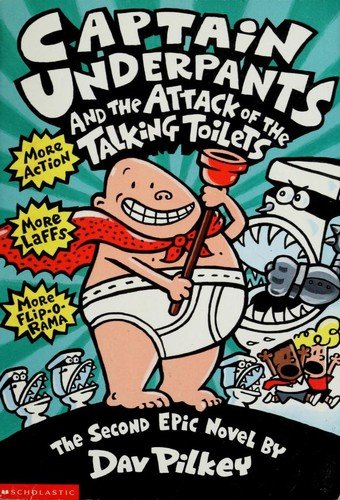
by Dav Pilkey
Graphic novel · ages 7–10 · grades 2–5 · 420L · 1999
Peak graphic-novel chaos for early readers — the name-change gag is a masterclass in absurdist wordplay, and kids reread it until the binding fails.
Stretch them up
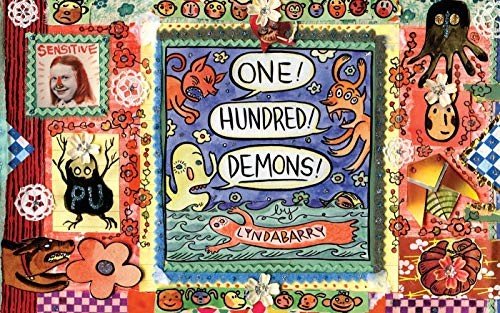
by Lynda Barry
Graphic novel · age 10+ · grade 5+ · 520L · 2017
A quiet masterpiece that teaches kids to pay attention to ordinary life and find meaning in it—the opposite of the climax-hungry narratives they're usually fed.
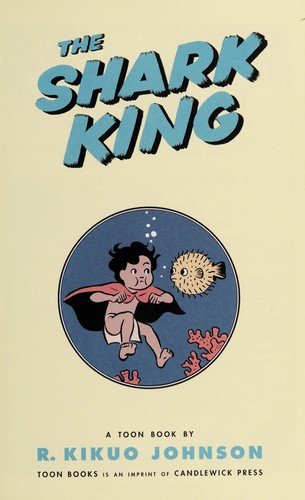
Graphic novel · ages 8–12 · grades 3–7 · 520L · 2013
A smart, visually engaging graphic novel about bicultural identity wrapped in Hawaiian mythology and ocean adventure—reads fast but sticks with you.
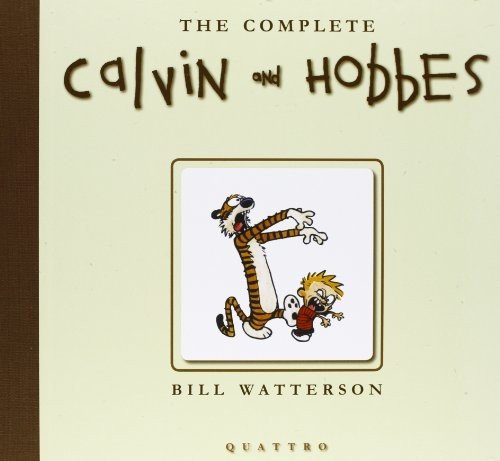
Graphic novel · ages 8–14 · grades 3–9 · 480L · 2013
The funniest, wisest strip ever drawn for kids—absurdist humor that lands equally for 7-year-olds and parents, and Calvin's interior life reminds children that imagination is not a luxury.
Complementing on cause effect
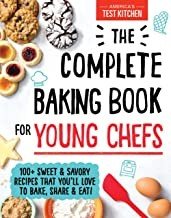
by America's Test Kitchen Kids
Nonfiction · ages 8–12 · grades 3–7 · 700L · 2019
The rare cookbook that treats kids as serious problem-solvers; recipes include failure points and reasoning, turning baking into applied science rather than mere instruction-following.
by Robin Johnson
Nonfiction · ages 6–9 · grades 1–4 · 550L · 2023
A clear, process-oriented look at how we make paper that helps kids understand the physical reality behind their school supplies.
by Laura K. Murray
Nonfiction · ages 7–10 · grades 2–5 · 450L · 2023
A clear, urgent primer on why the buzzing in your garden is actually keeping dinner on the table.
We'd skip — for now
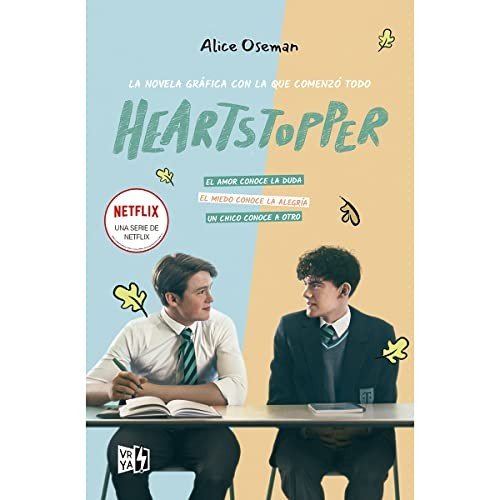
by Alice Oseman
A step up — ages 13–18 · grades 8–12
Skip it if your teen has no exposure to LGBTQ+ content and you haven't discussed sexual orientation first—the book is age-appropriate but assumes some baseline comfort with the topic.