
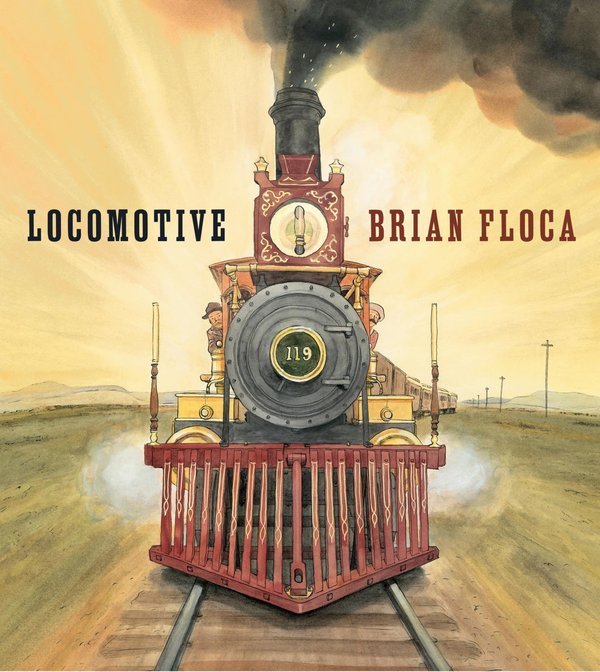
Locomotive
by Brian Floca
Picture book · ages 5–9 · grades K–4 · 620L
A Caldecott winner that justifies it—meticulous drawings teach how machines actually work while a boy's perspective keeps it intimate and alive.
For a reader who just finished
after Finding Winnie: The True Story of the World’s Most Famous Bear by Sophie Blackall · ages 4–8
Same style
by Brian Floca
Picture book · ages 5–9 · grades K–4 · 620L
A Caldecott winner that justifies it—meticulous drawings teach how machines actually work while a boy's perspective keeps it intimate and alive.
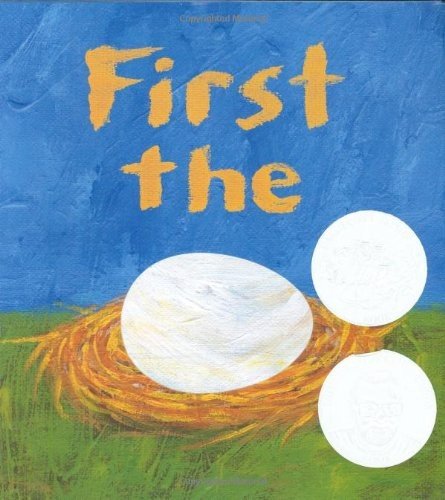
by Laura Vaccaro Seeger
Picture book · ages 2–5 · grade K
A nearly wordless picture book about transformation that preschoolers return to obsessively; the die-cut pages make the metamorphosis tactile and concrete.
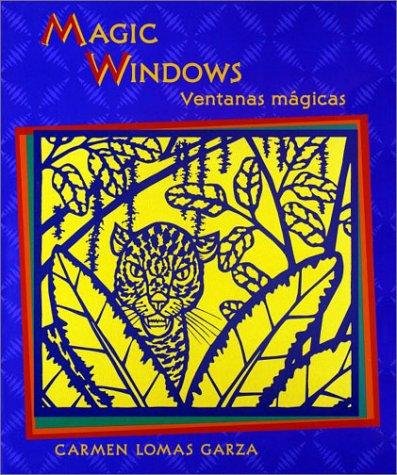
by Carmen Lomas Garza
Picture book · ages 4–8 · grades K–3
Lomas Garza's cut-paper illustrations are so vivid they feel tactile; this is a quiet, powerful book about Mexican American family life that lets children see themselves or learn generously about others' everyday magic.
Stretch them up
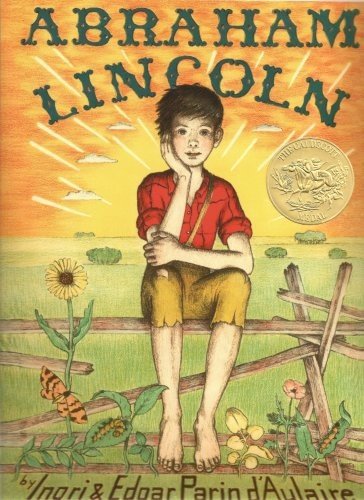
by Ingri and Edgar Parin d'Aulaire
Picture book · ages 6–10 · grades 1–5 · 800L
The d'Aulaires' Lincoln is a masterpiece—sumptuous illustrations and narrative prose that makes a difficult life feel epic and human; kids absorb both the story and a sense of why Lincoln matters.
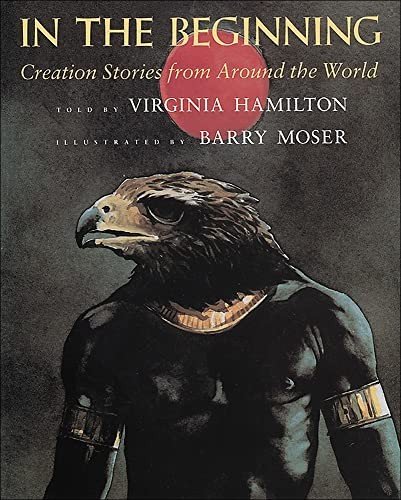
by Virginia Hamilton
Picture book · ages 5–9 · grades K–4 · 820L
Gorgeous, sophisticated, and genuinely restful — Hamilton's prose elevates world mythology without condescension, and Barry Moser's illustrations deepen the dreamlike authority of each story.
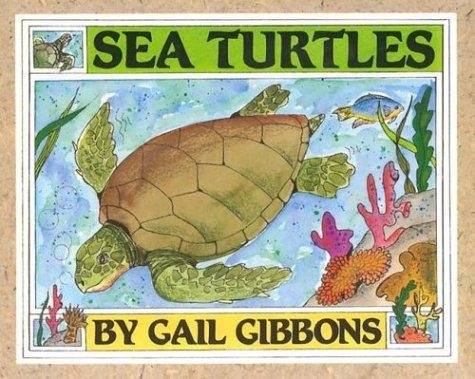
by Gail Gibbons
Picture book · ages 4–8 · grades K–3 · 820L
Gibbons' clearest nonfiction picture book — dense, factual, and visually organized so even a 4-year-old can follow; the gold standard for introducing marine biology without condescension.
Complementing on observation evidence
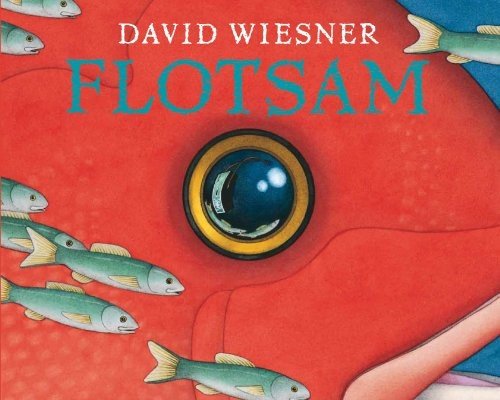
by David Wiesner
Picture book · ages 4–8 · grades K–3
A wordless masterpiece that teaches observation and sparks imagination without a single sentence—kids stare at the panels, construct their own theories, and beg to flip through it again.
by Leo Politi
Picture book · ages 4–8 · grades K–3 · 620L
A 1946 Newbery winner that holds up: lyrical, culturally grounded, and teaches patient observation without preaching—the swallows are a genuine draw, not a metaphor.
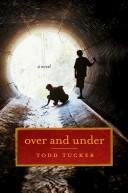
by Todd Tucker
Picture book · ages 4–8 · grades K–3 · 600L
A quiet masterpiece that teaches observation without a word of didacticism—kids naturally want to lift the flaps and peek, building real naturalist instincts.
We'd skip — for now
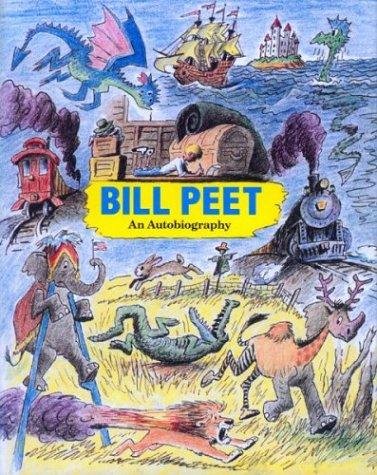
by Bill Peet
A step up — ages 8–12 · grades 3–7
Skip it if your child has no interest in drawing or animation, or if they find long picture books (chronological rather than episodic) tedious.