
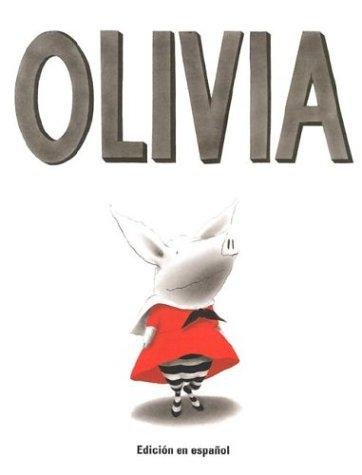
Olivia
by Ian Falconer
Picture book · ages 3–7 · grades K–2 · 300L
A character study disguised as a picture book: Olivia's theatrical self-absorption is unapologetic, hilarious, and oddly affirming for kids who aren't the quiet type.
For a reader who just finished
after Falling Up by Shel Silverstein · ages 4–8
Same style
by Ian Falconer
Picture book · ages 3–7 · grades K–2 · 300L
A character study disguised as a picture book: Olivia's theatrical self-absorption is unapologetic, hilarious, and oddly affirming for kids who aren't the quiet type.
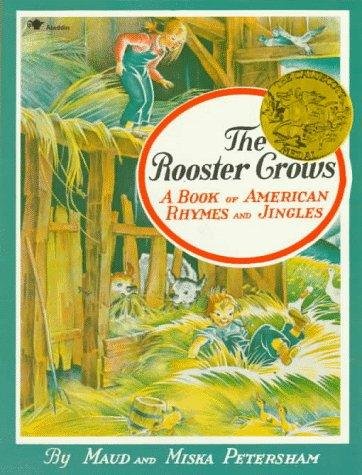
by Maud and Miska Petersham
Picture book · ages 3–7 · grades K–2
A 1945 Caldecott winner that holds up — pure onomatopoeia and regional American animal sounds, illustrated with warmth; kids love the repetition and the Petershams' art rewards close looking.
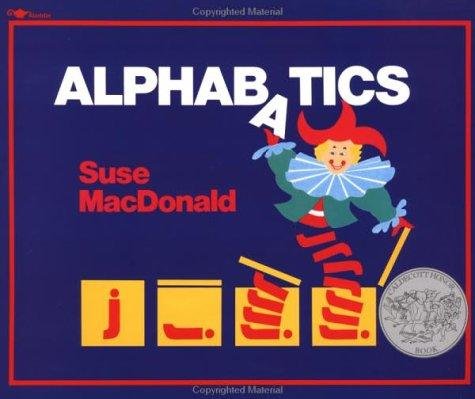
by Suse MacDonald
Picture book · ages 2–5 · grade K
The die-cut concept is genuinely inventive and holds toddlers' and preschoolers' attention across multiple rereadings — alphabet books rarely deserve 5, but this one earns it through craft alone.
Stretch them up
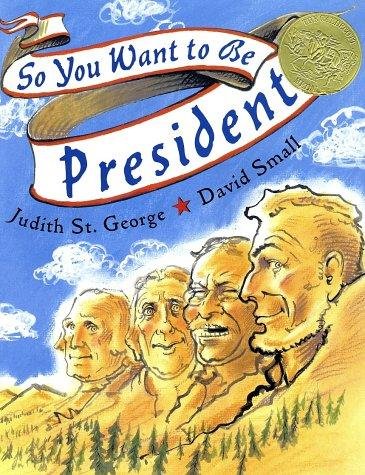
by David Small
Picture book · ages 4–8 · grades K–3 · 620L
A Caldecott winner that makes U.S. history genuinely funny — kids laugh at the absurdity while absorbing real facts about presidents in a format that's pure delight to reread.
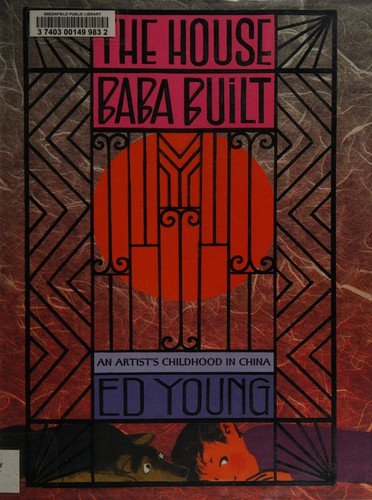
by Ed Young
Picture book · ages 4–8 · grades K–3 · 620L
A lyrical, elegantly illustrated memoir for young readers that treats childhood displacement and cultural identity with literary depth without condescension—the collage-style art is as much the story as the words.

by Faith Ringgold
Picture book · ages 4–8 · grades K–3 · 650L
A picture book that works at 6 and deepens at 9—Ringgold's quilted illustrations and Cassie's dreaming of flight and ownership will stick with your kid for years, and the 1930s Harlem setting opens conversations about racism, class, and what freedom means.
Complementing on truth
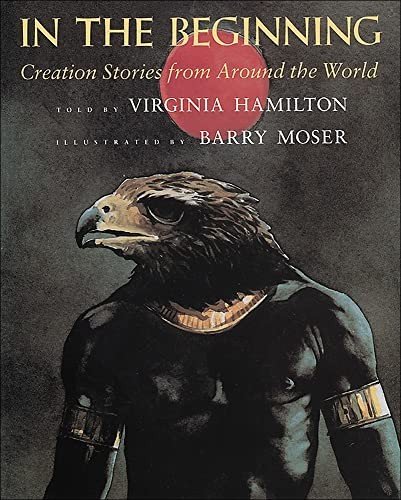
by Virginia Hamilton
Picture book · ages 5–9 · grades K–4 · 820L
Gorgeous, sophisticated, and genuinely restful — Hamilton's prose elevates world mythology without condescension, and Barry Moser's illustrations deepen the dreamlike authority of each story.
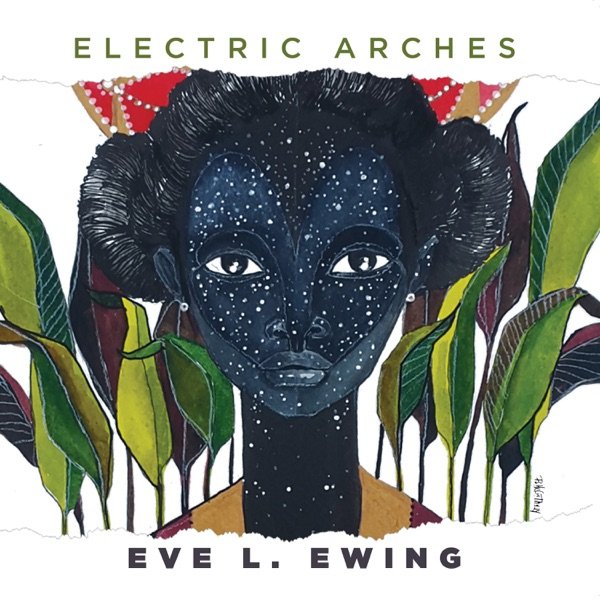
by Eve Ewing
Verse novel
A collection for young poets and teenagers grappling with race, place, and belonging; dense and unflinching about Chicago's history of segregation, gentrification, and resistance—not a gateway poetry book, but a necessary one.
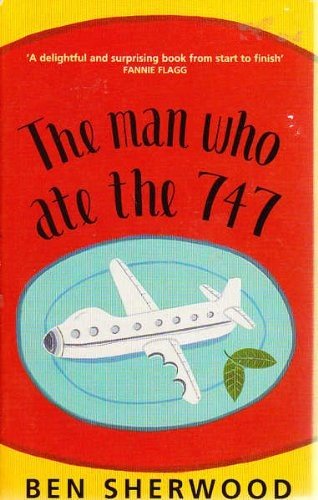
by Ben Sherwood
Nonfiction · 1050L
A clever, unsettling adult-crossover essay that teaches skepticism through a true story of a man who ate metal—ideal for older kids beginning to question media and narrative authority.
We'd skip — for now
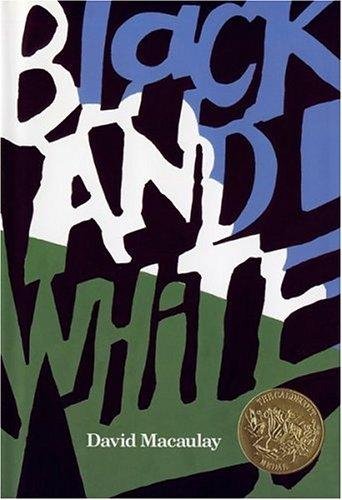
by David Macaulay
A step up — ages 8–12 · grades 3–7
Skip it if your child finds open-ended narratives frustrating or needs explicit narrative closure; the ambiguity is the point.