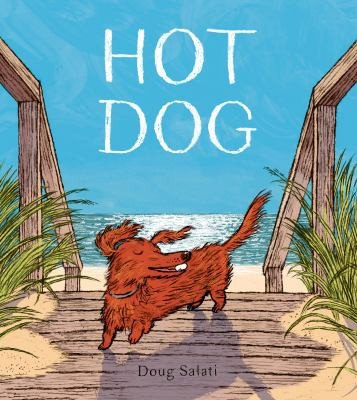
Hot Dog
by Doug Salati
Picture book · ages 4–8 · grades K–3 · 380L · 2022
A visual slapstick romp about a dog obsessed with hot dogs — pure nonsense fun, zero plot, perfect for the 5–6 read-aloud crowd who just want to laugh at the pictures.
For a reader who just finished
after Don't Trust Fish by Neil Sharpson · ages 4–8
Picture book · grades K–3 · 350L
A gloriously absurd read-aloud where the joke is the premise itself — the illustrations commit fully to the ridiculousness, and kids find the repetition hilarious.
Same style
by Doug Salati
Picture book · ages 4–8 · grades K–3 · 380L · 2022
A visual slapstick romp about a dog obsessed with hot dogs — pure nonsense fun, zero plot, perfect for the 5–6 read-aloud crowd who just want to laugh at the pictures.
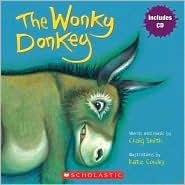
by Katz Cowley
Picture book · ages 3–7 · grades K–2 · 320L · 2018
A silly, repetitive romp built entirely on the sound and concept of a wonky donkey—fine for giggling, forgettable after.
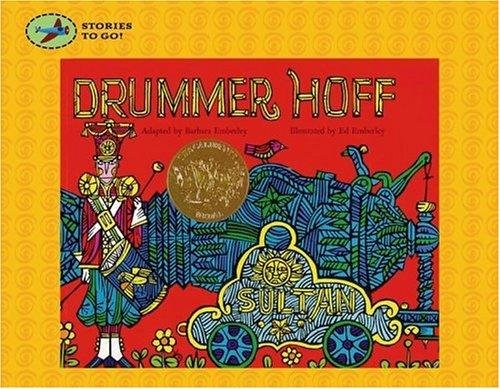
by Ed Emberley
Picture book · ages 4–8 · grades K–3 · 320L · 2005
A Caldecott winner built entirely on the satisfying logic of a cumulative chain — kids love the rhythm and the payoff, and the rhyme scheme carries them through multiple rereads.
Stretch them up
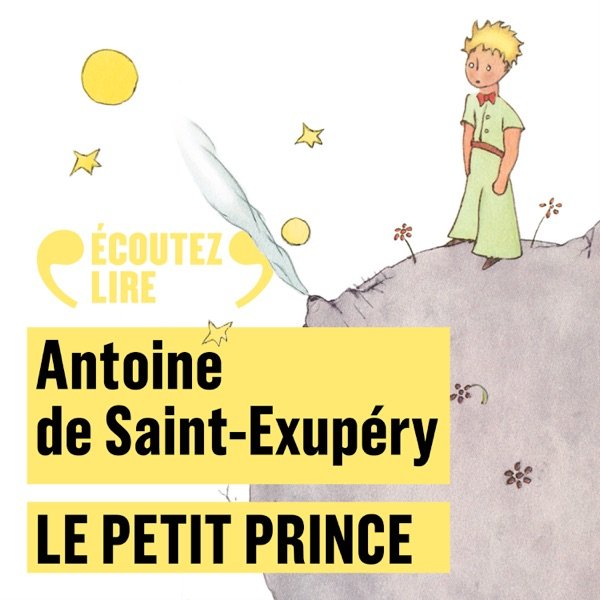
Picture book · ages 4–8 · grades K–3 · 550L · 2021
A genuine masterpiece that reads as allegory to adults and pure story-magic to kids; the watercolor and poetic language linger long after the last page.
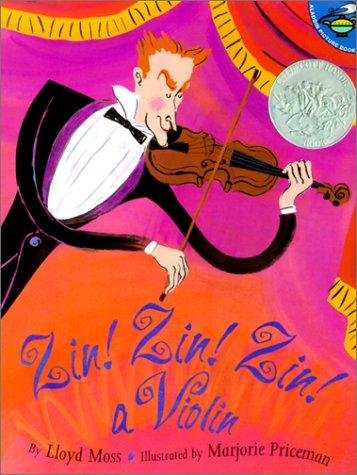
Picture book · ages 4–8 · grades K–3 · 560L
A perfect marriage of onomatopoeia, rhyme, and instrument pedagogy—kids giggle at the sounds while actually learning orchestration, and Priceman's watercolors make each instrument a visual personality.
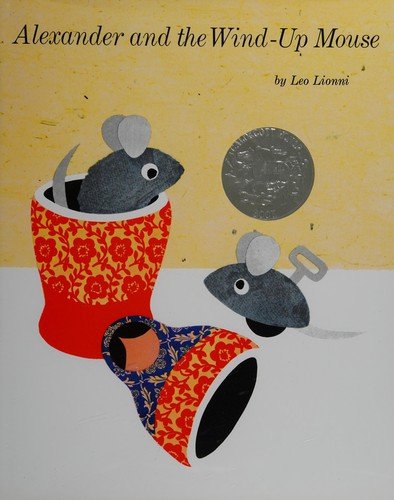
by Leo Lionni
Picture book · ages 4–8 · grades K–3 · 550L · 1987
A masterpiece of picture-book economy—Lionni uses collage to make a simple story about accepting difference feel profound, and kids absorb the moral without ever noticing they're learning.
We'd skip — for now
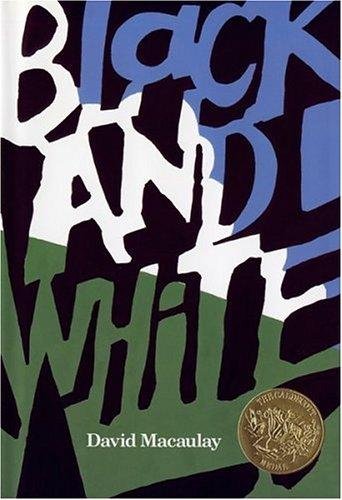
by David Macaulay
A step up — ages 8–12 · grades 3–7
Skip it if your child finds open-ended narratives frustrating or needs explicit narrative closure; the ambiguity is the point.