For a reader who just finished
Books like Don't Explain: A Song of Billie Holiday
after Don't Explain: A Song of Billie Holiday by Alexis De Veaux · ages 8–12
Same style
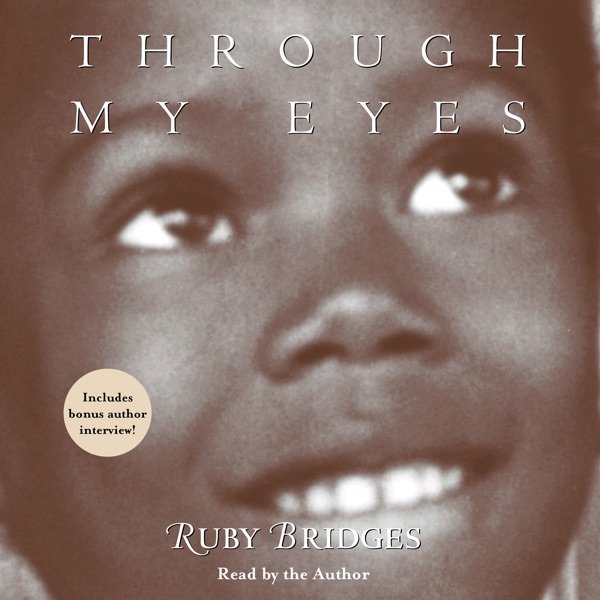
by Ruby Bridges
Picture book · ages 6–10 · grades 1–5 · 620L
The gold standard for introducing desegregation to early readers—Ruby's voice is calm and observant, the pictures are unflinching without being sensationalized, and the book trusts kids to understand why this matters.
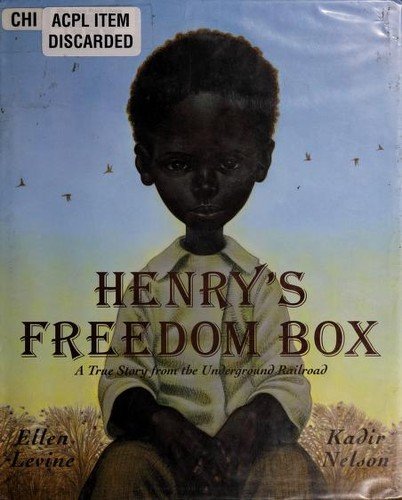
by Kadir Nelson
Picture book · ages 6–9 · grades 1–4 · 620L
A historically grounded, emotionally powerful introduction to slavery and resistance—Nelson's art makes Henry's humanity and terror equally visible, and the true-story frame anchors conversations without preaching.
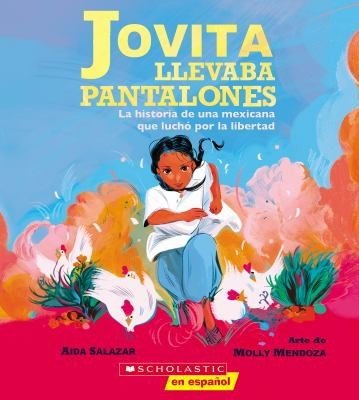
by Molly Mendoza
Picture book · ages 6–9 · grades 1–4 · 620L
A historically grounded, unsentimental picture-book biography that treats a 10-year-old reader as ready for both gender identity and war — the illustrations are respectful and the narrative refuses to sand down the stakes.
Stretch them up
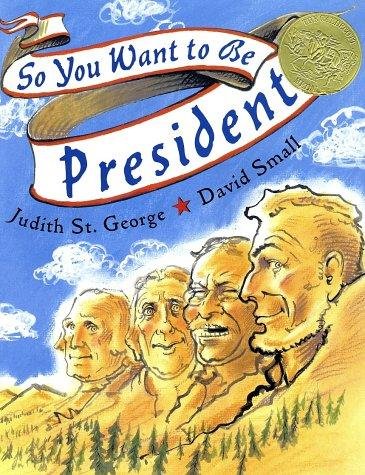
by David Small
Picture book · ages 4–8 · grades K–3 · 620L
A Caldecott winner that makes U.S. history genuinely funny — kids laugh at the absurdity while absorbing real facts about presidents in a format that's pure delight to reread.
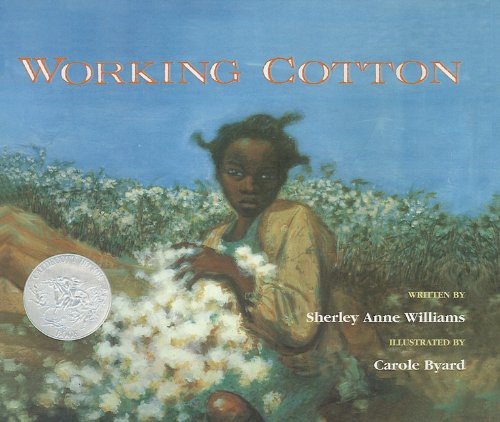
by Carole Byard
Picture book · ages 6–10 · grades 1–5 · 620L
Unflinching, lyrical, and told in the protagonist's own voice — this is the rare picture book that doesn't sentimentalize poverty but doesn't rob children of it either, and Carole Byard's collage art is extraordinary.

by Faith Ringgold
Picture book · ages 4–8 · grades K–3 · 650L
A picture book that works at 6 and deepens at 9—Ringgold's quilted illustrations and Cassie's dreaming of flight and ownership will stick with your kid for years, and the 1930s Harlem setting opens conversations about racism, class, and what freedom means.
Complementing on courage
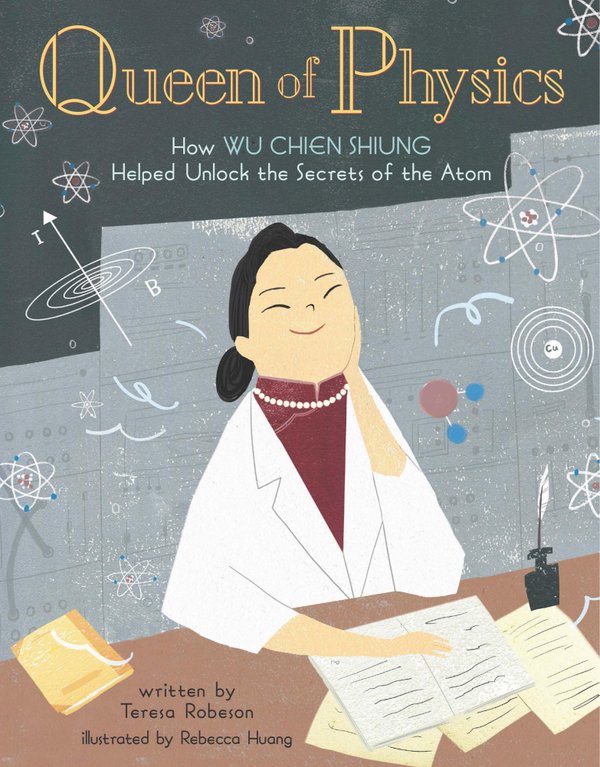
by Teresa Robeson
Picture book · ages 8–12 · grades 3–7 · 820L
A rigorous, visually compelling introduction to a physicist whose breakthrough experiment changed nuclear physics—told without condescension or sentimentality.
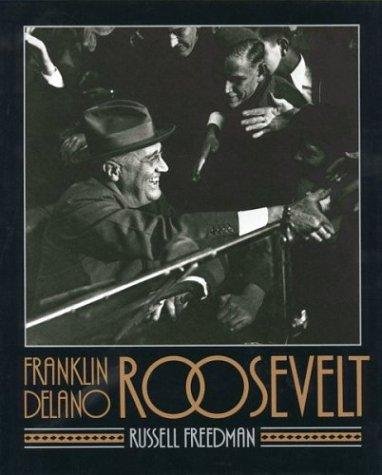
by Russell Freedman
Nonfiction · ages 9–12 · grades 4–7 · 820L
Freedman's accessible, photo-rich biography makes FDR's disability and determination feel immediate without sentimentality; kids grasp both the man and the era.
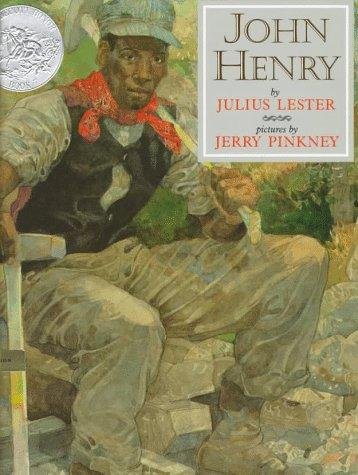
by Jerry Pinkney
Picture book · ages 4–8 · grades K–3
Pinkney's watercolors transform the folk ballad into a visually luminous, emotionally serious meditation on dignity and human worth—the kind of picture book that deepens with rereading and holds up for adult readers.
We'd skip — for now
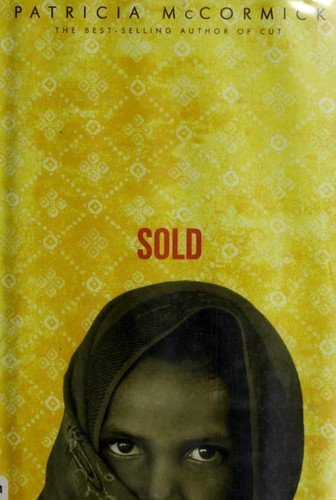
by Patricia McCormick
A step up — ages 12–18 · grades 7–12
Skip it if your teen has experienced sexual trauma and isn't ready for a first-person account of trafficking and exploitation; read it yourself first and discuss.
