For a reader who just finished
Books like Dear Mr. Henshaw
after Dear Mr. Henshaw by Beverly Cleary · ages 8–10
Same style
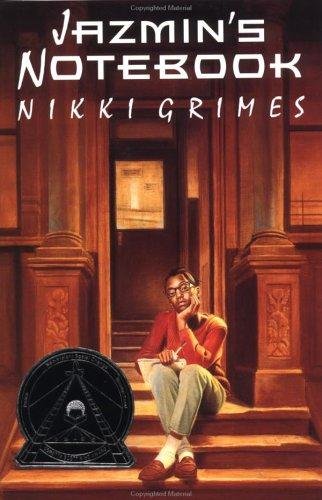
by Nikki Grimes
Verse novel · ages 10–14 · grades 5–9 · 700L
A quiet masterpiece — Nikki Grimes uses verse to let a 13-year-old Black girl in Harlem speak her own truth with unflinching honesty and grace; kids emerge seeing themselves and their own complexity mirrored.
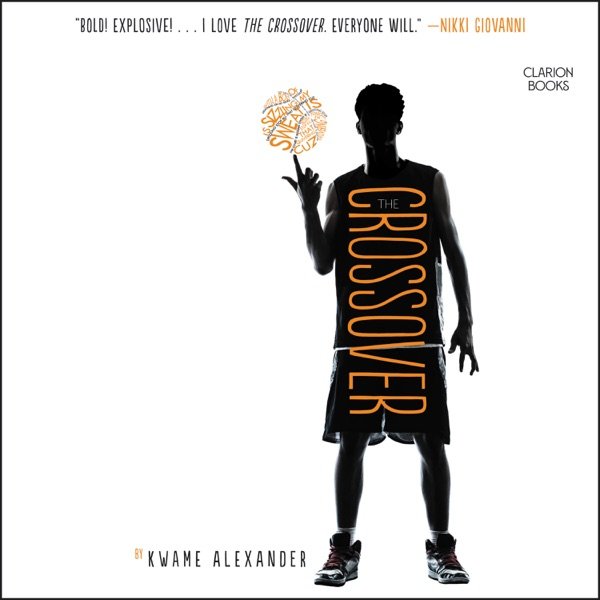
by Kwame Alexander
Verse novel · ages 8–12 · grades 3–7 · 620L
A grief novel that moves like basketball—fast, playful, brutal, then tender—and uses verse form to make emotional honesty feel natural rather than forced.
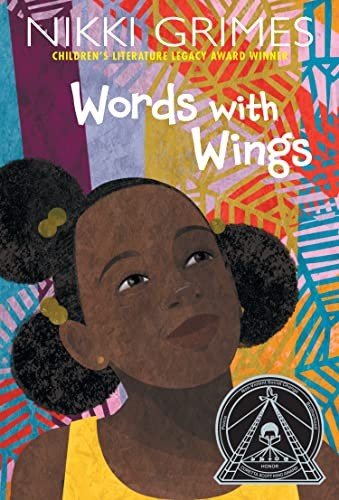
by Nikki Grimes
Verse novel · ages 8–12 · grades 3–7 · 620L
A quiet, gorgeous book in verse that makes shyness and artistic voice feel urgent and real—kids who don't speak up in class see themselves, and kids who do will understand why some don't.
Stretch them up
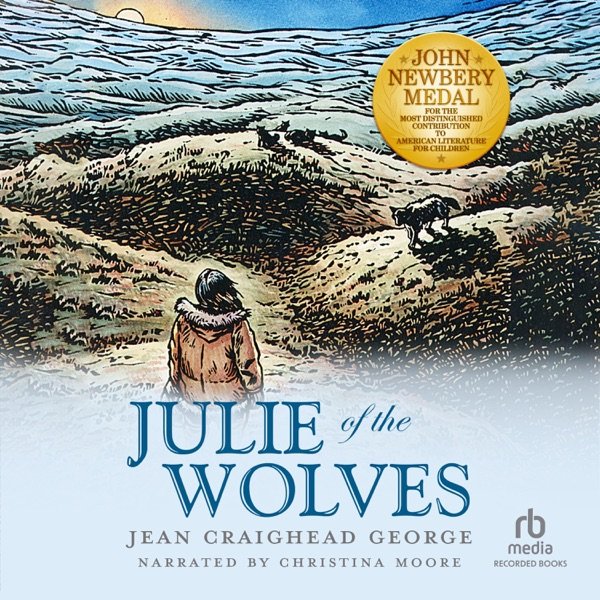
by Jean Craighead George
Middle grade · ages 10–14 · grades 5–9 · 760L
A Newbery-winning masterpiece that hasn't aged a day—Julie's survival story is genuinely gripping, and the quiet exploration of cultural identity and belonging lands without preaching.
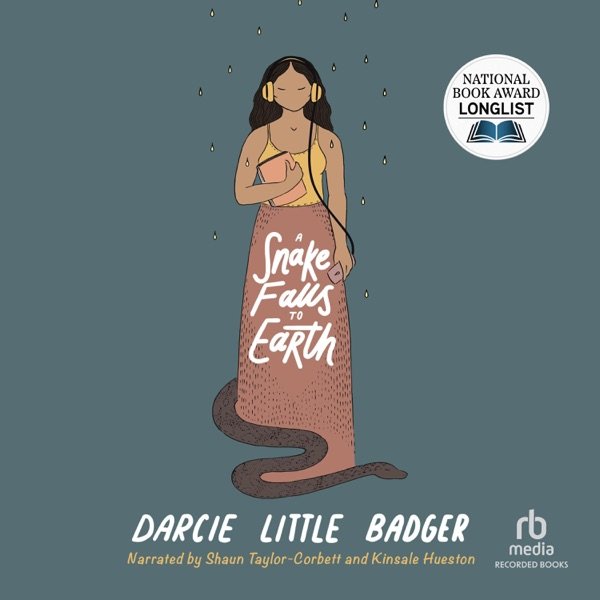
by Darcie Little Badger
Middle grade · ages 10–14 · grades 5–9 · 720L
A genuinely original middle-grade fantasy that centers Indigenous worldview and disability without sentimentality—the magic feels earned, the protagonist is unflinching, and the prose is gorgeous without being flowery.
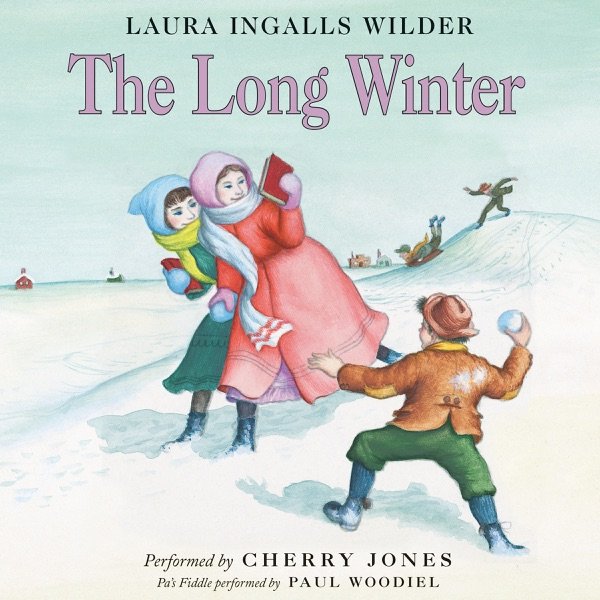
by Laura Ingalls Wilder
Middle grade · ages 8–12 · grades 3–7 · 740L
The most gripping book in the series—a taut survival narrative that doesn't sentimentalize hardship, and kids emerge understanding both pioneer resourcefulness and genuine historical vulnerability.
Complementing on naming feelings
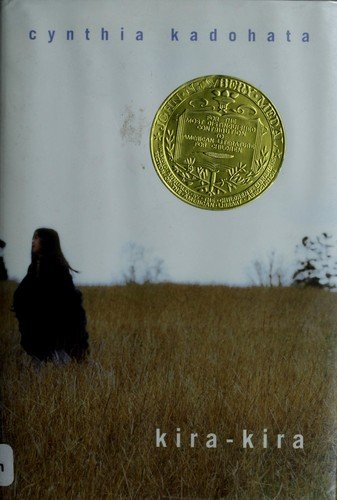
by Cynthia Kadohata
Middle grade · ages 9–12 · grades 4–7 · 760L
A Newbery Medal winner that earns it—luminous, unsentimental, and genuinely about how love and small moments sustain a family facing real hardship and loss.
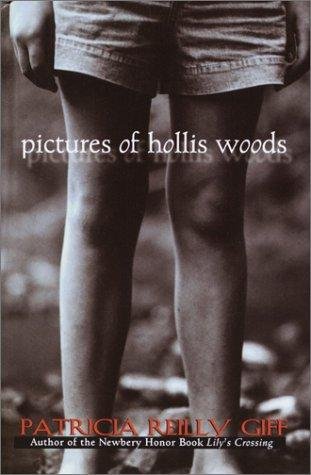
by Patricia Reilly Giff
Middle grade · ages 8–12 · grades 3–7 · 750L
A quiet, unflinching portrait of foster-care experience that doesn't sentimentalize; Hollis's voice and her drawings carry the emotional weight of a child learning to trust again.
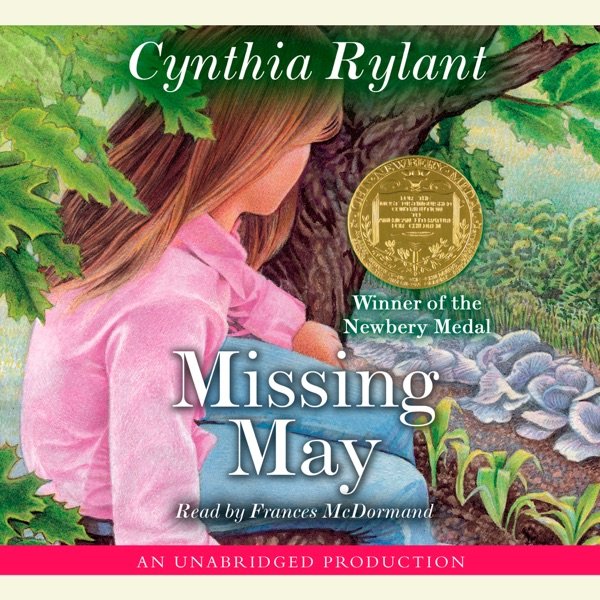
by Cynthia Rylant
Middle grade · ages 8–12 · grades 3–7 · 720L
A small, luminous book about grief that never condescends—Rylant's prose is exact and Ob's eccentricity makes the family feel real, not sentimental.
We'd skip — for now
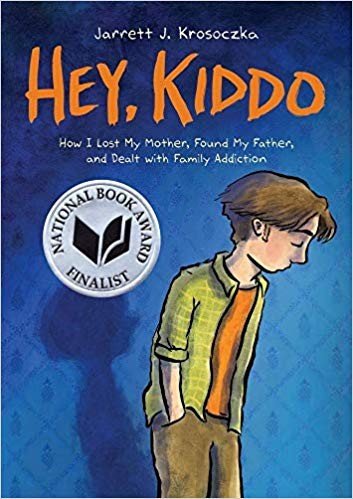
by Jarrett Krosoczka
A step up — ages 10–14 · grades 5–9
Skip it if your family is actively in early recovery from addiction or if your child has witnessed parental substance use—the specificity may be retraumatizing rather than cathartic.
