
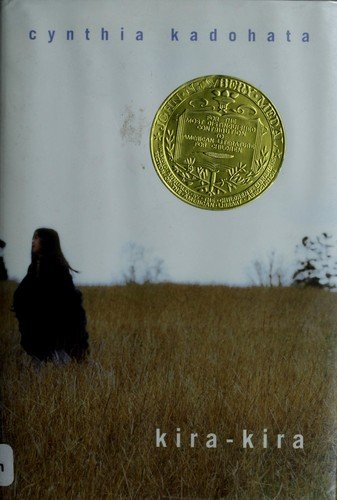
Kira-Kira
by Cynthia Kadohata
Middle grade · ages 9–12 · grades 4–7 · 760L
A Newbery Medal winner that earns it—luminous, unsentimental, and genuinely about how love and small moments sustain a family facing real hardship and loss.
For a reader who just finished
after The Crossover by Kwame Alexander · ages 8–12
Same style
by Cynthia Kadohata
Middle grade · ages 9–12 · grades 4–7 · 760L
A Newbery Medal winner that earns it—luminous, unsentimental, and genuinely about how love and small moments sustain a family facing real hardship and loss.
by Cynthia Kadohata
Middle grade · ages 10–14 · grades 5–9 · 730L
A Newbery winner that earns it—poignant without sentimentality, and the only book in this age range that teaches a child what it means to grieve a sibling while honoring their legacy.
by Cynthia Kadohata
Middle grade · ages 10–14 · grades 5–9 · 730L
A Newbery winner that earns it—poignant without sentimentality, and the only book in this age range that teaches a child what it means to grieve a sibling while honoring their legacy.
Complementing on a good life
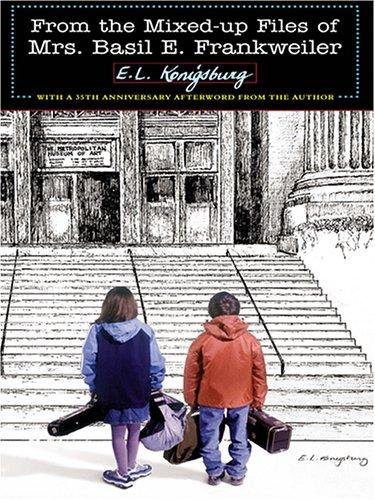
by E. L. Konigsburg
Middle grade · ages 8–12 · grades 3–7 · 790L
A book that trusts kids to be intellectually bored and emotionally complex—Claudia's runaway isn't melodrama, it's a quiet reckoning with identity that lands harder on rereads.
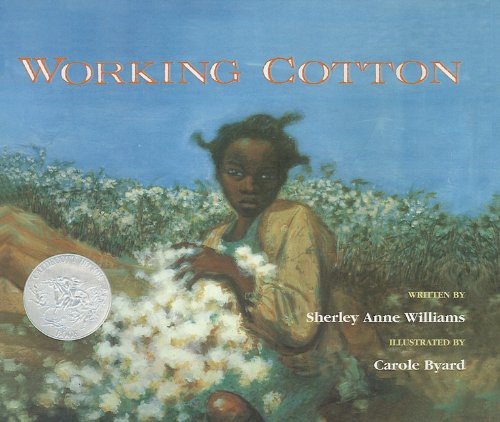
by Carole Byard
Picture book · ages 6–10 · grades 1–5 · 620L
Unflinching, lyrical, and told in the protagonist's own voice — this is the rare picture book that doesn't sentimentalize poverty but doesn't rob children of it either, and Carole Byard's collage art is extraordinary.
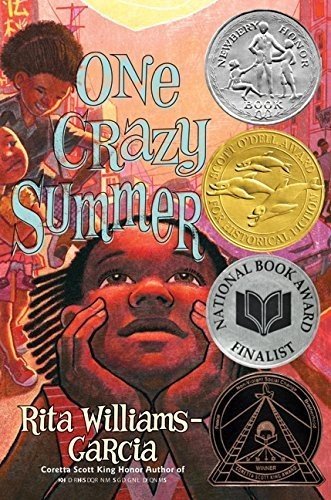
by Rita Williams-Garcia
Middle grade · ages 8–12 · grades 3–7 · 750L
A richly layered book about sisterhood, identity, and reckoning with parental complexity that treats kids' emotional intelligence seriously—the ending doesn't tidy up, which is exactly why it stays with them.
We'd skip — for now
by Mikki Daughtry
A step up — ages 14–18 · grades 9–12
Skip it if your teen has recently experienced the sudden death of a close peer or romantic partner; the emotional specificity may be too raw.