For a reader who just finished
Books like Coretta Scott King
after Coretta Scott King by Lillie Patterson · ages 8–12
Same style
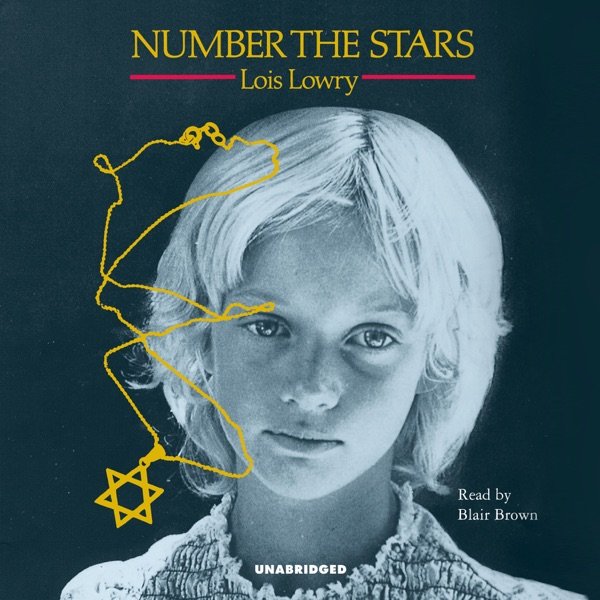
by Lois Lowry
Middle grade · ages 10–14 · grades 5–9 · 740L
A masterwork of historical fiction for middle grade—Lowry trusts kids with real stakes and moral complexity without traumatizing them, and the quiet bravery of an ordinary girl becomes indelible.
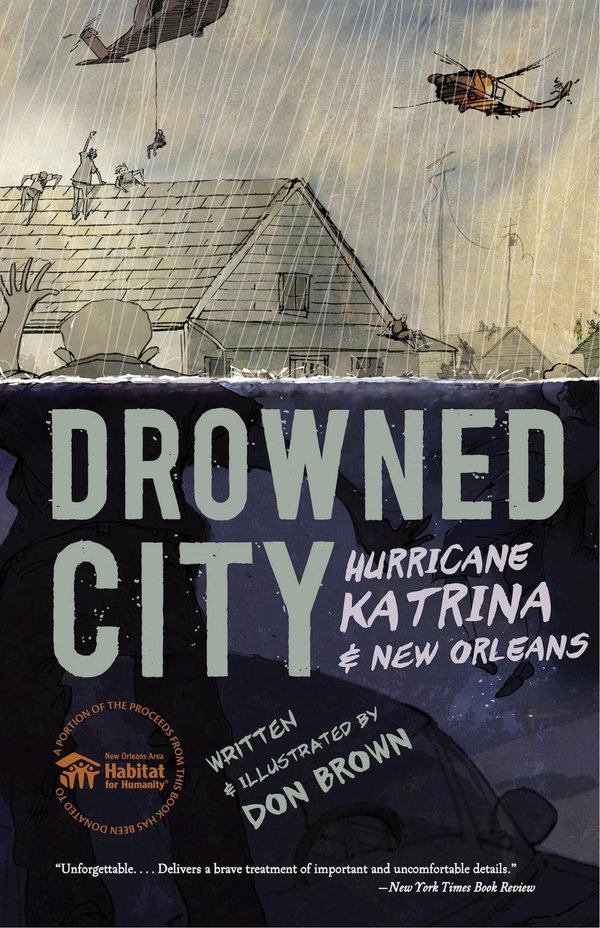
by Don Brown
Nonfiction · ages 8–12 · grades 3–7 · 720L
The gold standard for teaching kids how to read a real disaster honestly — Brown's illustrations and restrained prose let the scale speak without sensationalizing, and the focus on recovery grounds the story in agency, not helplessness.
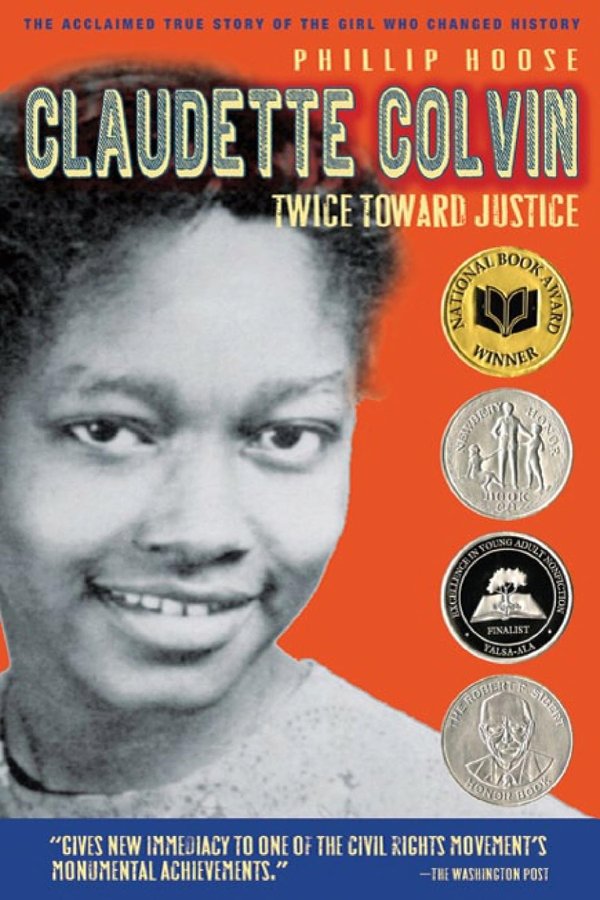
by Phillip Hoose
Nonfiction · ages 10–14 · grades 5–9 · 820L
The book that should be taught instead of (or alongside) Rosa Parks—immediate, deeply researched, and co-authored with Claudette herself, making it both historically authoritative and emotionally resonant for kids discovering real people with real moral agency.
Complementing on courage
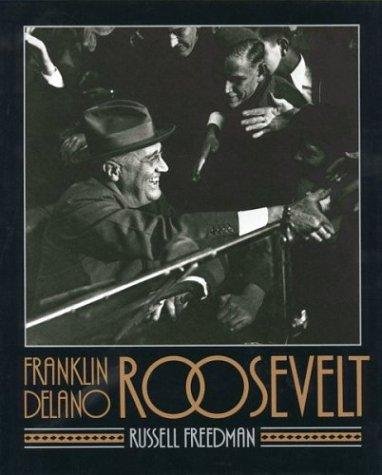
by Russell Freedman
Nonfiction · ages 9–12 · grades 4–7 · 820L
Freedman's accessible, photo-rich biography makes FDR's disability and determination feel immediate without sentimentality; kids grasp both the man and the era.
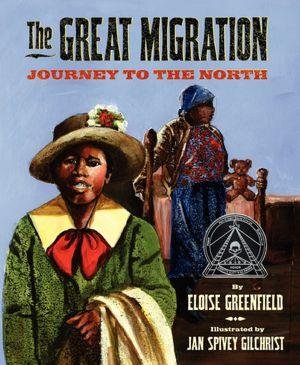
by Eloise Greenfield
Picture book · ages 6–9 · grades 1–4 · 620L
Eloise Greenfield's only children's book about the Great Migration—lyrical, historically grounded, and emotionally honest without being heavy; the illustrations anchor abstract history in real bodies and faces.
by Dr. Seuss
Picture book · ages 4–8 · grades K–3 · 620L
Seuss at his most serious: a kid solves a crisis by speaking up when adults won't listen, the king learns humility through apology, and the language is so playful it carries thematic weight without preaching.
We'd skip — for now
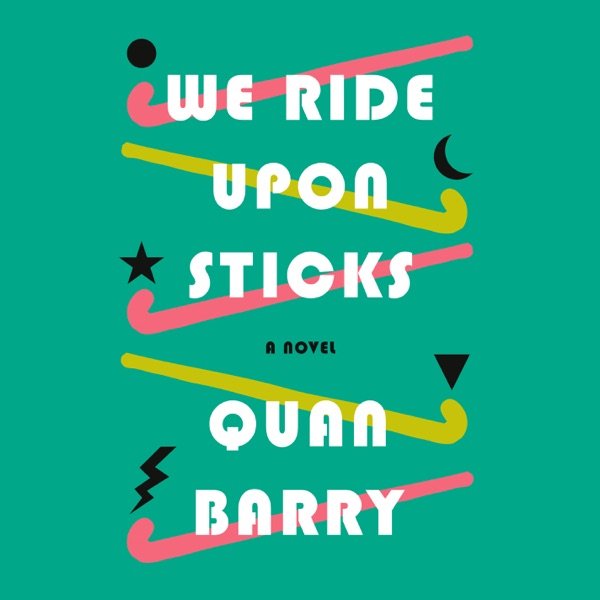
by Quan Barry
A step up — ages 14–18 · grades 9–12
Skip it if your teen is unsettled by queer content or has limited tolerance for literary structure and nonlinear narrative (shifts between verse, dialogue, and prose).
