
Volcanoes
by Seymour Simon
Nonfiction · ages 6–10 · grades 1–5 · 820L
The gold standard for volcano books at this age — Simon's photographs are awe-inducing and the text respects kids' hunger for real facts without dumbing down the science.
For a reader who just finished
after Childcraft by World Book · ages 5–9
Same style
by Seymour Simon
Nonfiction · ages 6–10 · grades 1–5 · 820L
The gold standard for volcano books at this age — Simon's photographs are awe-inducing and the text respects kids' hunger for real facts without dumbing down the science.
by Janet Gaylord Moore
Nonfiction · ages 7–12 · grades 2–7 · 720L
A 1968 gem that teaches kids to *see* art rather than just look at it—accessible, genuinely educational, and illustrated enough to hold attention even when the prose feels a bit dated.
by Amanda O'Neill
Nonfiction · ages 5–9 · grades K–4 · 520L
Bright, question-driven intro to insect biology; the chunked Q&A format keeps kids engaged without overwhelming them, and the illustrations are genuinely good enough to hold attention on their own.
Complementing on observation evidence
by Leo Politi
Picture book · ages 4–8 · grades K–3 · 620L
A 1946 Newbery winner that holds up: lyrical, culturally grounded, and teaches patient observation without preaching—the swallows are a genuine draw, not a metaphor.
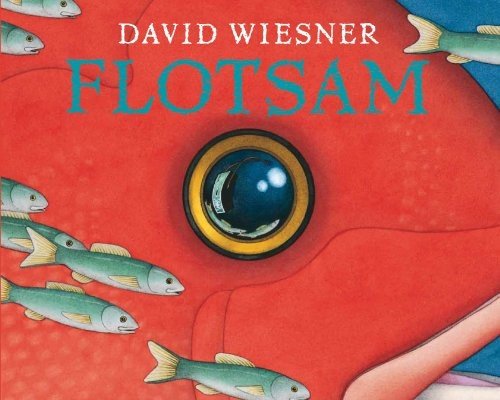
by David Wiesner
Picture book · ages 4–8 · grades K–3
A wordless masterpiece that teaches observation and sparks imagination without a single sentence—kids stare at the panels, construct their own theories, and beg to flip through it again.
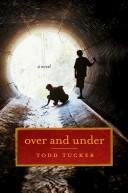
by Todd Tucker
Picture book · ages 4–8 · grades K–3 · 600L
A quiet masterpiece that teaches observation without a word of didacticism—kids naturally want to lift the flaps and peek, building real naturalist instincts.
We'd skip — for now
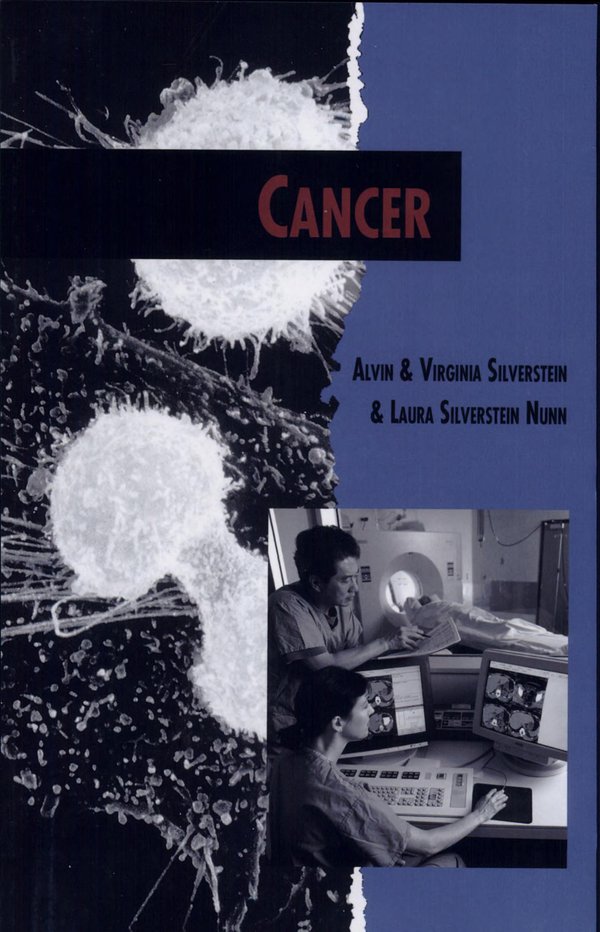
by Alvin Silverstein
A step up — ages 10–14 · grades 5–9
Skip it if your child is currently undergoing cancer treatment and anxiety about medical details will amplify distress; consult their oncology team first.