For a reader who just finished
Books like The Many Ways of Seeing: An Introduction to the Pleasures of Art
after The Many Ways of Seeing: An Introduction to the Pleasures of Art by Janet Gaylord Moore · ages 8–12
Same style
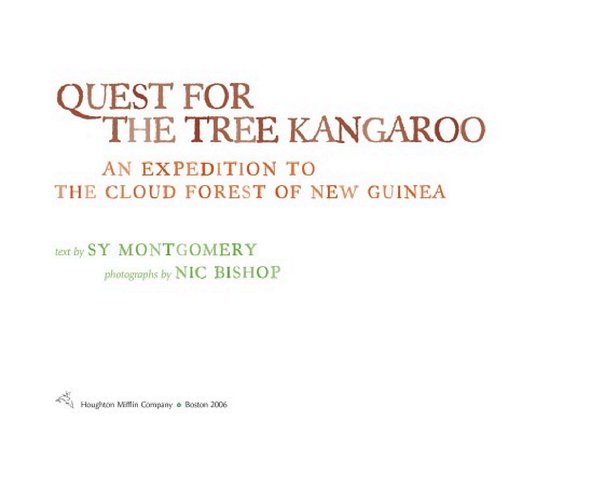
by Sy Montgomery
Nonfiction · ages 8–12 · grades 3–7 · 720L
Sy Montgomery's vivid, precise prose turns a real scientific expedition into a page-turner; kids learn how field biology works and why a single species matters, not through preaching but through genuine adventure.
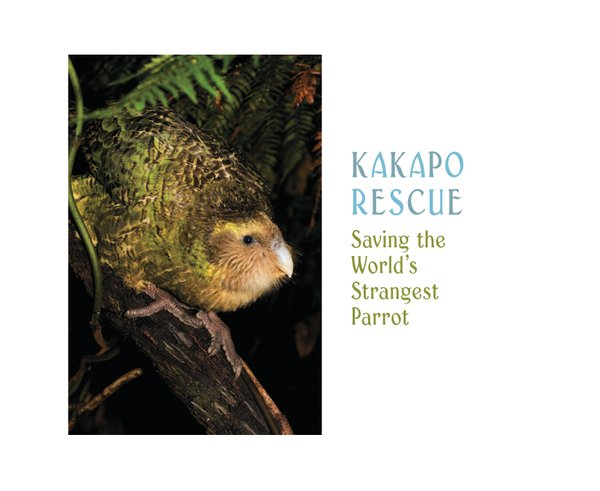
by Sy Montgomery
Nonfiction · ages 8–12 · grades 3–7 · 720L
Montgomery's infectious curiosity and on-the-ground reporting make conservation science visceral and urgent—kids finish this wanting to know how to help, not just what the problem is.
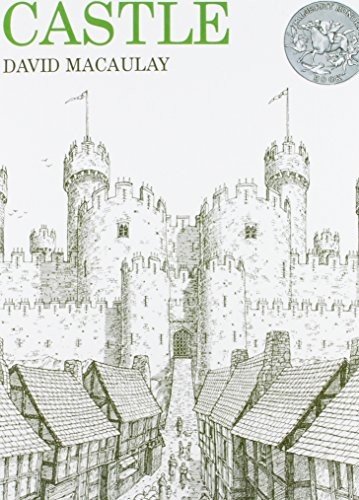
by David Macaulay
Nonfiction · ages 8–12 · grades 3–7 · 720L
Macaulay's masterpiece — architectural history made visceral through illustration and narrative; kids who engage deeply will ask real questions about how things are built.
Complementing on observation evidence

by Jim Murphy
Nonfiction · ages 10–14 · grades 5–9 · 820L
Gripping, historically rigorous account that models how evidence overturns expert consensus—kids emerge understanding both the horror and the intellectual detective work of epidemiology.
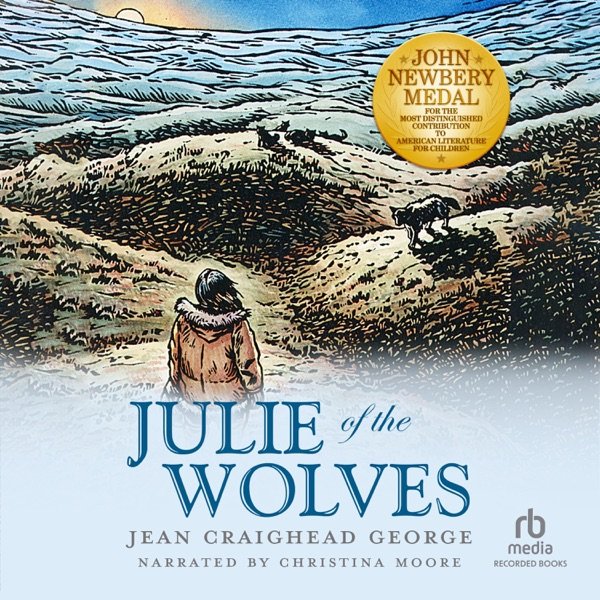
by Jean Craighead George
Middle grade · ages 10–14 · grades 5–9 · 760L
A Newbery-winning masterpiece that hasn't aged a day—Julie's survival story is genuinely gripping, and the quiet exploration of cultural identity and belonging lands without preaching.
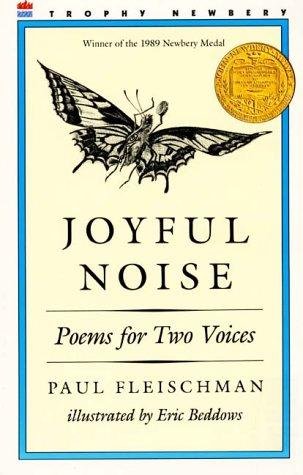
by Paul Fleischman
Verse novel · ages 8–12 · grades 3–7 · 620L
A Newbery Medal masterpiece that teaches kids how to listen to nature through the architecture of two-voice poetry — kids discover they can read these aloud *right now* with a friend and it immediately sounds like music.
We'd skip — for now
by Laurie Allen
A step up — ages 13–18 · grades 8–12
Skip it if your teen has no interest in performance or drama club; this is a tool, not a read-for-pleasure book.
