For a reader who just finished
Books like Call It Courage
after Call It Courage by Armstrong Sperry · ages 8–12
Same style

by Clare Vanderpool
Middle grade · ages 10–14 · grades 5–9 · 770L
A Newbery Honor book that treats deafness as identity, not tragedy, while delivering genuine adventure and a friendship that feels earned—rare middle-grade representation that doesn't condescend.

by Agnes Hewes
Middle grade · ages 8–12 · grades 3–7 · 720L
A forgotten gem of maritime coming-of-age fiction; the historical detail and genuine peril make it feel earned, though the dated prose and slow pacing demand a solid reader.
by Louise Rankin
Middle grade · ages 8–12 · grades 3–7 · 720L
A 1941 adventure that still moves—Momo's cross-mountain journey to retrieve her stolen dog is genuinely suspenseful, and the Tibetan setting and her cultural identity feel respectfully specific rather than exotic backdrop.
Stretch them up
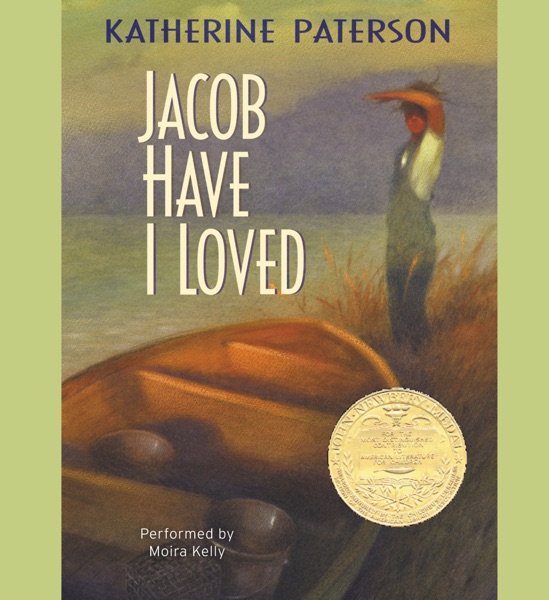
by Katherine Paterson
Middle grade · ages 10–14 · grades 5–9 · 820L
A Newbery winner that actually deserves it—Paterson writes sibling resentment and reconciliation with such honesty that kids recognize their own families, and the 1941 Chesapeake setting carries real historical weight without preaching.
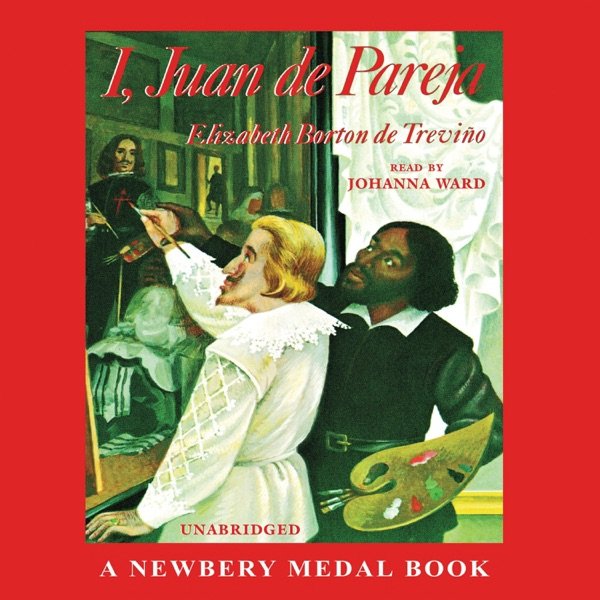
by Elizabeth Borton de Treviño
Middle grade · ages 10–14 · grades 5–9 · 820L
A Newbery winner that doesn't condescend—serious, historically grounded, and genuinely about how one person's refusal to accept powerlessness can remake a life; the prose is elegant and the emotional core is real.

by Kent Meyers
Middle grade · ages 10–14 · grades 5–9 · 780L
Quiet, grounded coming-of-age where a Nebraska kid learns to trust observation over inherited fear—Meyers' prose is deliberate and the wolf ecology is genuinely taught, not romanticized.
Complementing on courage
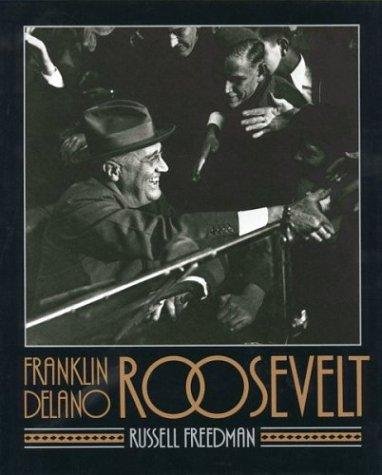
by Russell Freedman
Nonfiction · ages 9–12 · grades 4–7 · 820L
Freedman's accessible, photo-rich biography makes FDR's disability and determination feel immediate without sentimentality; kids grasp both the man and the era.
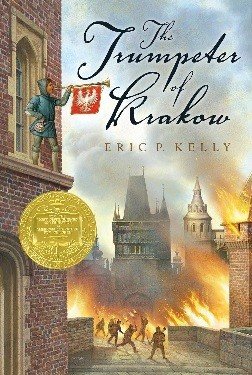
by Eric P. Kelly
Middle grade · ages 8–12 · grades 3–7 · 800L
A Newbery winner that feels genuinely historical without being a slog — the mystery of the trumpet and the boy's quiet bravery make it memorable for kids who can handle older prose.
by Kent Meyers
Middle grade · ages 10–14 · grades 5–9 · 780L
Quiet, grounded coming-of-age where a Nebraska kid learns to trust observation over inherited fear—Meyers' prose is deliberate and the wolf ecology is genuinely taught, not romanticized.
We'd skip — for now
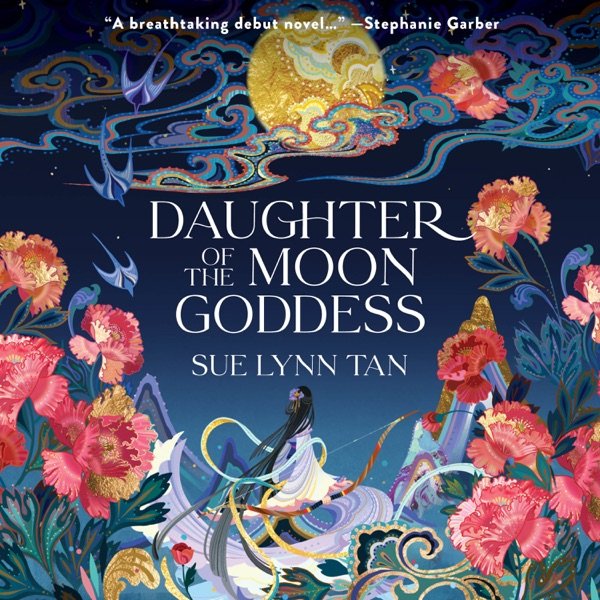
by Sue Lynn Tan
A step up — ages 14–18 · grades 9–12
Skip it if your teen has been spooked by sustained magical threat or combat; there are extended battle scenes and genuine peril to beloved characters.
