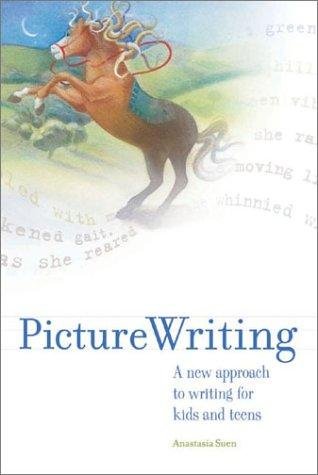
Picture Writing
Nonfiction · ages 8–12 · grades 3–7 · 680L · 2003
A smart, accessible primer on how writing systems evolved across cultures—combines history, art, and practical linguistics without talking down to kids.
For a reader who just finished
after Building a Skyscraper by Natalie Humphrey · ages 7–10
Nonfiction · grades 2–5 · 650L
A solid, visual introduction to structural engineering that turns abstract physics into tangible steps kids can visualize.
Same style
Nonfiction · ages 8–12 · grades 3–7 · 680L · 2003
A smart, accessible primer on how writing systems evolved across cultures—combines history, art, and practical linguistics without talking down to kids.
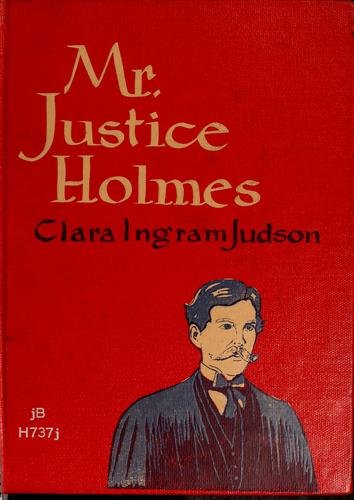
Nonfiction · ages 8–12 · grades 3–7 · 650L
Earnest mid-century biography that introduces a towering legal mind; dry by modern standards and Holmes's actual legal reasoning will sail over most 8–10-year-olds' heads, but solid for history-curious kids who like nonfiction.
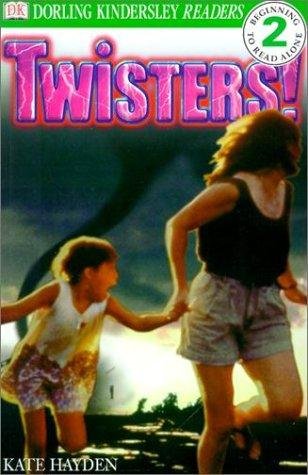
by Kate Hayden
Nonfiction · ages 6–9 · grades 1–4 · 580L · 2023
Vivid, fact-dense introduction to tornadoes with enough real-world detail to hook curious kids without being sensationalist; the photos and diagrams do heavy lifting.
Complementing on cause effect
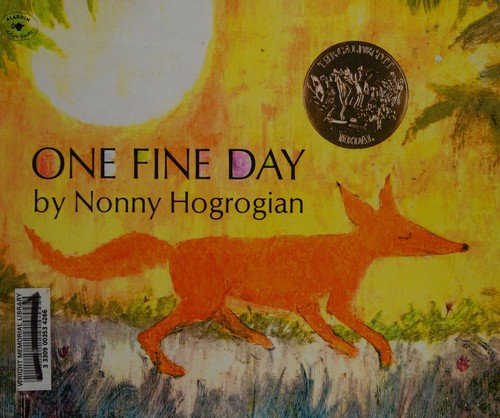
Picture book · ages 4–8 · grades K–3 · 300L · 1971
A Caldecott winner that holds up: the circular chain-of-consequence plot is elegant enough to reward rereads, and Hogrogian's folk-art illustrations ground an abstract concept in a lived village.
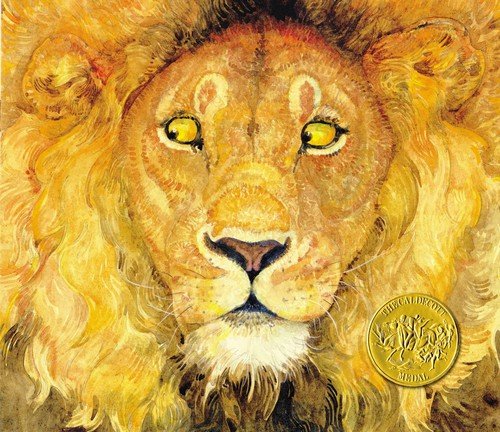
Picture book · ages 4–8 · grades K–3 · 2009
Pinkney's watercolor savanna is reason enough, but the spare text and visual storytelling make this Aesop adaptation feel both timeless and immediate — kids grasp the moral without being lectured.
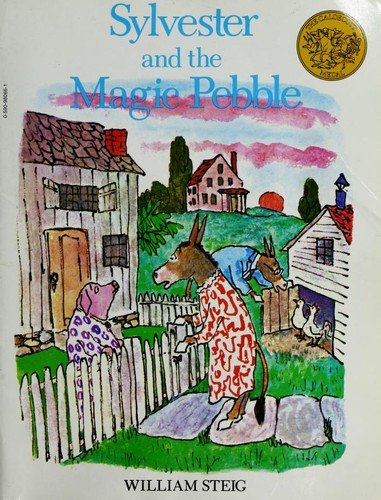
Picture book · ages 4–8 · grades K–3 · 620L · 2006
A quietly haunting picture book that handles loss and separation without melodrama — the magic pebble is just a frame for the real story about wanting to come home.
We'd skip — for now
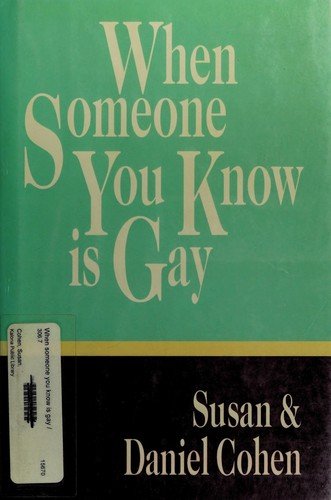
by Susan Cohen
A step up — ages 10–15 · grades 5–10
Skip it if you prefer an approach that centers LGBTQ+ joy and pride over clinical explanation—this is more Q&A than celebration.