For a reader who just finished
Books like Black & White: The Confrontation between Reverend Fred L. Shuttlesworth and Eugene 'Bull' Connor
after Black & White: The Confrontation between Reverend Fred L. Shuttlesworth and Eugene 'Bull' Connor by Larry Dane Brimner · ages 8–12
Same style
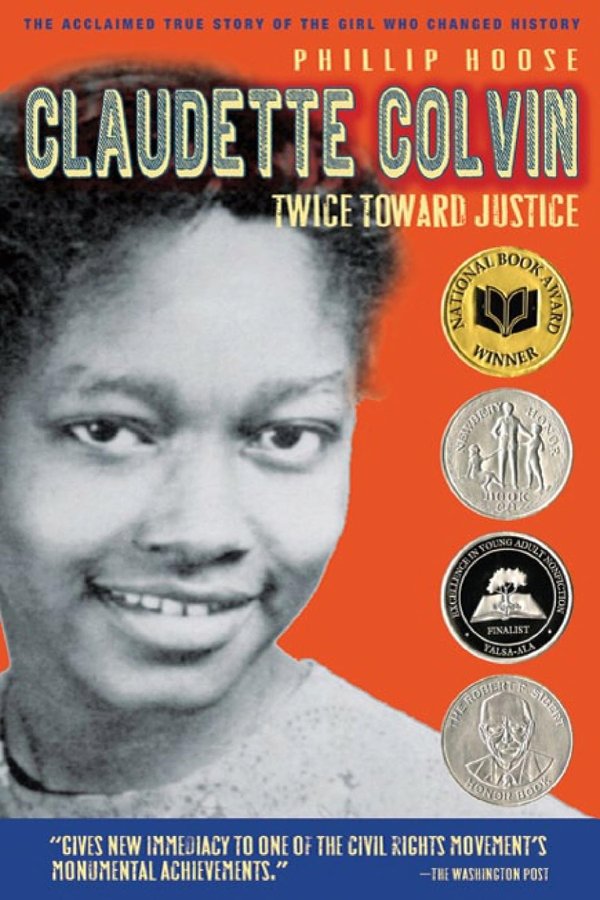
by Phillip Hoose
Nonfiction · ages 10–14 · grades 5–9 · 820L
The book that should be taught instead of (or alongside) Rosa Parks—immediate, deeply researched, and co-authored with Claudette herself, making it both historically authoritative and emotionally resonant for kids discovering real people with real moral agency.
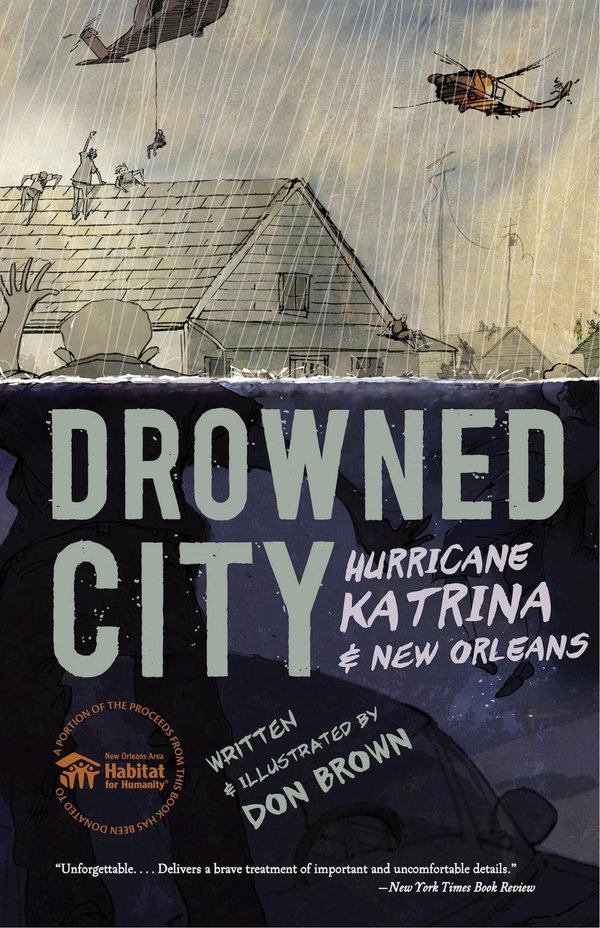
by Don Brown
Nonfiction · ages 8–12 · grades 3–7 · 720L
The gold standard for teaching kids how to read a real disaster honestly — Brown's illustrations and restrained prose let the scale speak without sensationalizing, and the focus on recovery grounds the story in agency, not helplessness.
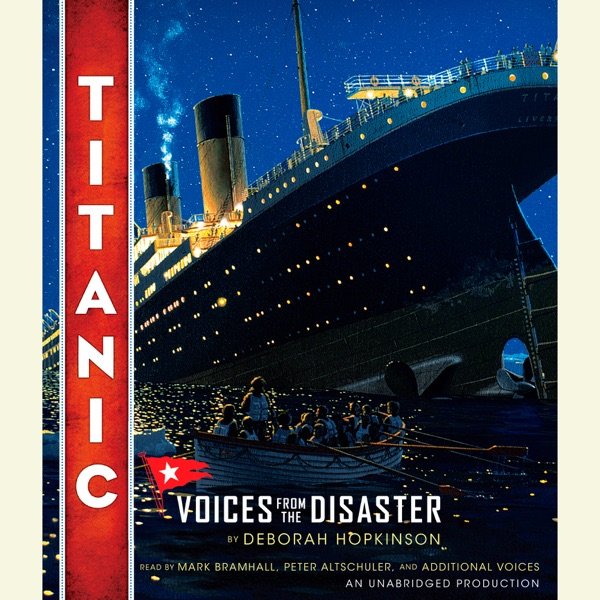
by Deborah Hopkinson
Nonfiction · ages 9–12 · grades 4–7 · 680L
Hopkinson's mosaic of real voices makes the Titanic human in a way no single narrative can—kids grasp both the tragedy and the class inequality that sealed third-class fates in minutes.
Complementing on courage
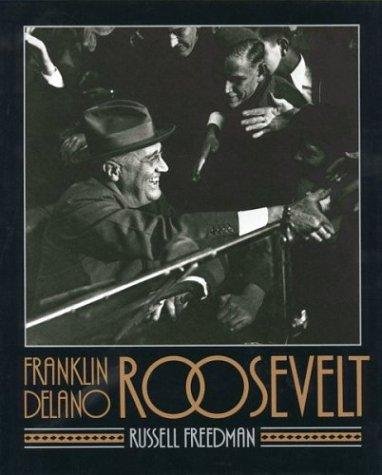
by Russell Freedman
Nonfiction · ages 9–12 · grades 4–7 · 820L
Freedman's accessible, photo-rich biography makes FDR's disability and determination feel immediate without sentimentality; kids grasp both the man and the era.

by Eloise Greenfield
Picture book · ages 6–9 · grades 1–4 · 620L
Eloise Greenfield's only children's book about the Great Migration—lyrical, historically grounded, and emotionally honest without being heavy; the illustrations anchor abstract history in real bodies and faces.
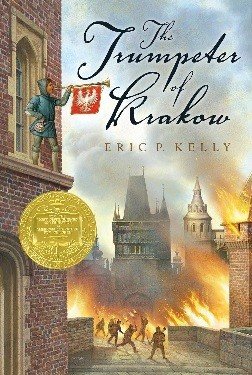
by Eric P. Kelly
Middle grade · ages 8–12 · grades 3–7 · 800L
A Newbery winner that feels genuinely historical without being a slog — the mystery of the trumpet and the boy's quiet bravery make it memorable for kids who can handle older prose.
We'd skip — for now
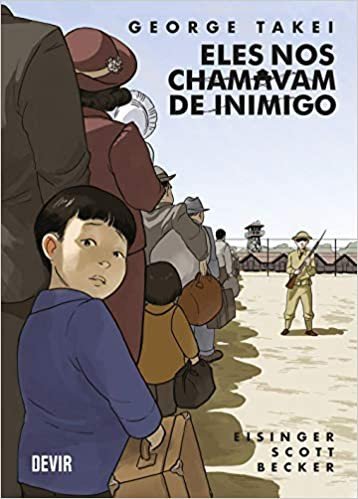
by George Takei
A step up — ages 13–18 · grades 8–12
Skip it if your family is not ready to discuss institutional racism, incarceration, or loss of civil rights; the emotional weight is real and requires follow-up conversation.
