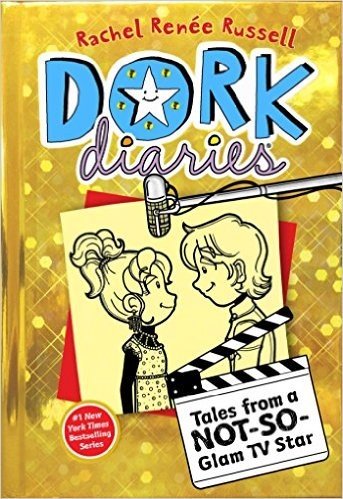
Dork Diaries 7
Graphic novel · ages 8–12 · grades 3–7 · 520L
Still the gold standard for reluctant readers and graphic-novel fans aged 8–12; Nikki's diary-plus-drawings format feels like permission to be messy and funny simultaneously.
For a reader who just finished
after Big Nate by Lincoln Peirce · ages 7–12
Graphic novel · grades 2–7 · 380L
The definitive 'I hate school' book for reluctant readers — the visual pacing keeps them turning pages even when the text is minimal.
Same style
Graphic novel · ages 8–12 · grades 3–7 · 520L
Still the gold standard for reluctant readers and graphic-novel fans aged 8–12; Nikki's diary-plus-drawings format feels like permission to be messy and funny simultaneously.
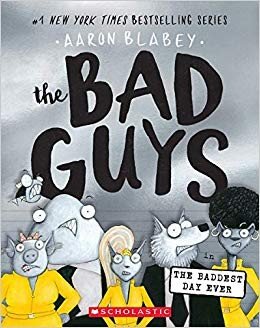
by Aaron Blabey
Graphic novel · ages 5–9 · grades K–4 · 380L · 2019
Consistently ridiculous graphic humor that holds the series' momentum; kids devour these faster than parents can restock.
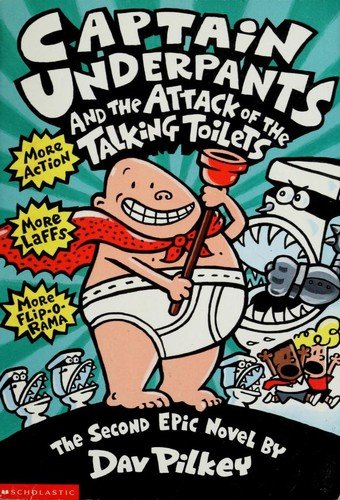
by Dav Pilkey
Graphic novel · ages 7–10 · grades 2–5 · 420L · 1999
Peak graphic-novel chaos for early readers — the name-change gag is a masterclass in absurdist wordplay, and kids reread it until the binding fails.
Stretch them up
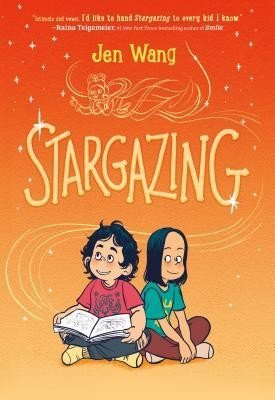
by Jen Wang
Graphic novel · ages 8–12 · grades 3–7 · 520L · 2019
Jen Wang's most emotionally intelligent book—a friendship story about two girls who don't look or live alike, told in full color with genuine tenderness and no sermonizing.
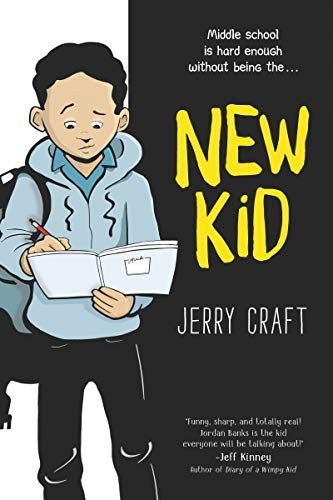
by Jerry Craft
Graphic novel · ages 8–12 · grades 3–7 · 520L · 2019
A Newbery winner that actually earns it — funny and visually alive, but structurally honest about the real friction of code-switching and class without ever talking down to kids.
by Pedro Martín
Graphic novel · ages 8–12 · grades 3–7 · 520L · 2023
A warm, funny, and genuinely moving memoir in graphic form—the illustrations carry the emotional arc perfectly, and kids recognize themselves in Pedro's confusion and joy between two worlds.
Complementing on naming feelings
Verse novel · ages 6–10 · grades 1–5 · 520L · 1998
A masterwork of bilingual wordplay that reads aloud with infectious energy—kids feel seen in the code-switching, and the poems actively teach that two languages in one mind is a superpower, not a problem.
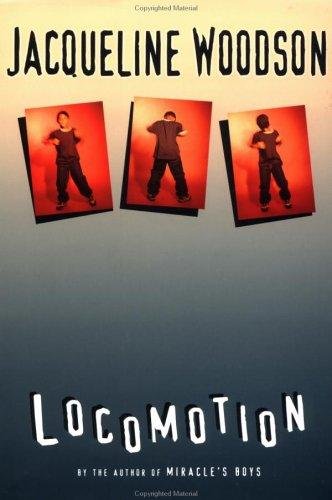
Verse novel · ages 9–12 · grades 4–7 · 680L · 2003
A masterwork of grief told in verse — Woodson's spare, exact language lets kids name loss they may not have words for, and the ending models hope without erasure.
Verse novel · ages 7–10 · grades 2–5 · 550L · 1993
A luminous verse portrait of a nine-year-old boy's interior life—Greenfield captures the texture of childhood authenticity without sentimentality, and kids recognize themselves in Nathaniel's honest self-talk.
We'd skip — for now
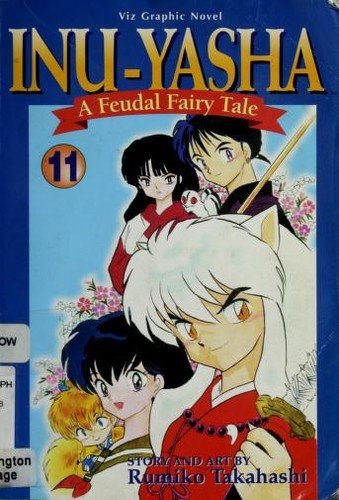
by 高橋留美子
A step up — ages 13–18 · grades 8–12
Skip it if your teen hasn't read volumes 1–18 or if drawn-violence depicting sword wounds and demon combat bothers them.