For a reader who just finished
Books like Beacon Hill Boys
after Beacon Hill Boys by Ken Mochizuki · ages 8–12
Same style
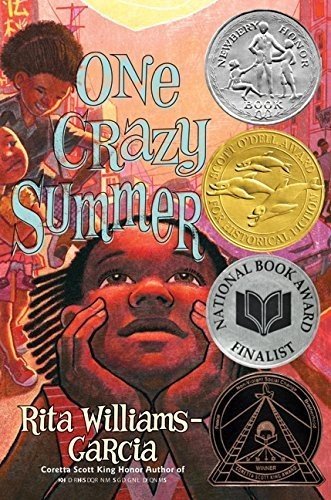
by Rita Williams-Garcia
Middle grade · ages 8–12 · grades 3–7 · 750L
A richly layered book about sisterhood, identity, and reckoning with parental complexity that treats kids' emotional intelligence seriously—the ending doesn't tidy up, which is exactly why it stays with them.
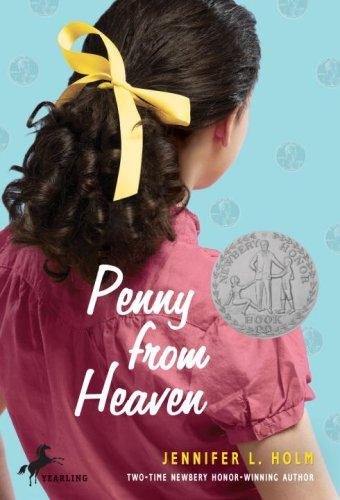
by Jennifer L. Holm
Middle grade · ages 10–14 · grades 5–9 · 760L
A quiet masterpiece about belonging and family that captures 1950s Italian-American working-class life with specificity and heart — the kind of book kids reread and remember as adults.
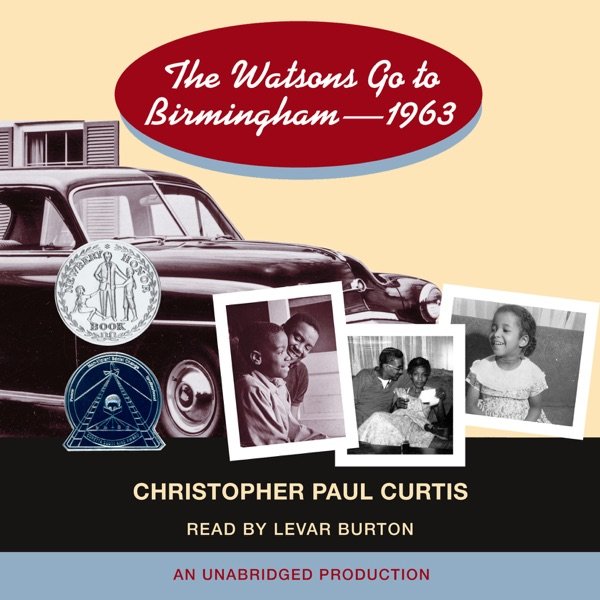
by Christopher Paul Curtis
Middle grade · ages 8–12 · grades 3–7 · 740L
A masterwork that treats kids with intelligence about race and history; the family warmth and humor make the tragedy land harder, and that's exactly right.
Stretch them up
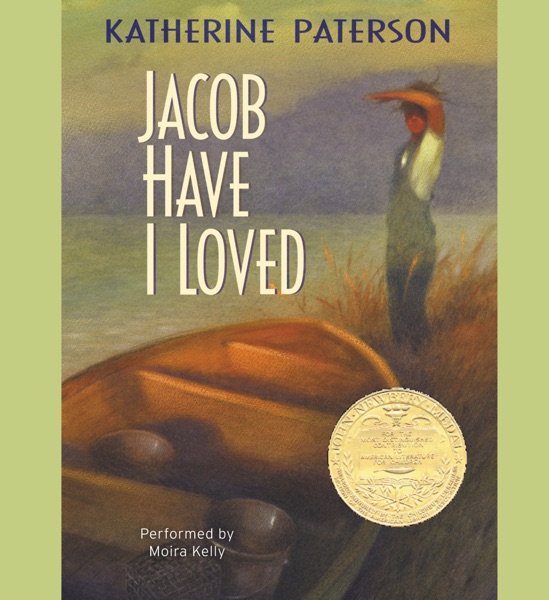
by Katherine Paterson
Middle grade · ages 10–14 · grades 5–9 · 820L
A Newbery winner that actually deserves it—Paterson writes sibling resentment and reconciliation with such honesty that kids recognize their own families, and the 1941 Chesapeake setting carries real historical weight without preaching.
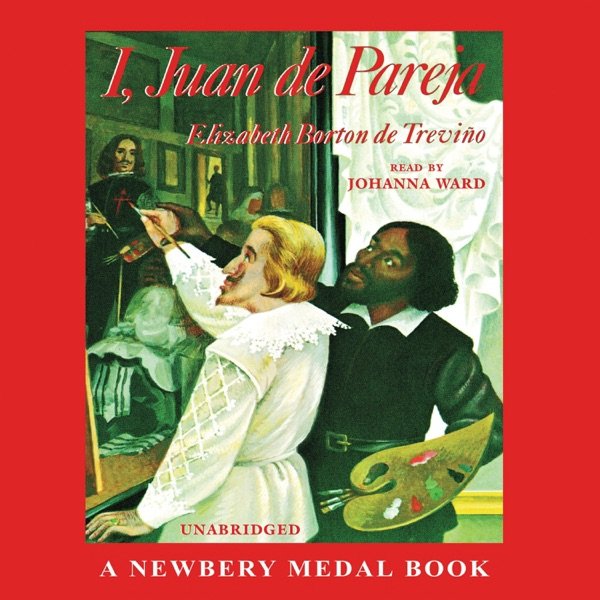
by Elizabeth Borton de Treviño
Middle grade · ages 10–14 · grades 5–9 · 820L
A Newbery winner that doesn't condescend—serious, historically grounded, and genuinely about how one person's refusal to accept powerlessness can remake a life; the prose is elegant and the emotional core is real.
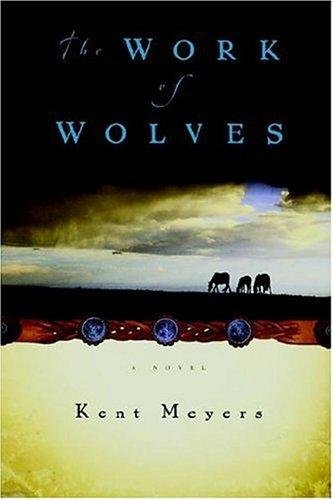
by Kent Meyers
Middle grade · ages 10–14 · grades 5–9 · 780L
Quiet, grounded coming-of-age where a Nebraska kid learns to trust observation over inherited fear—Meyers' prose is deliberate and the wolf ecology is genuinely taught, not romanticized.
Complementing on friendship
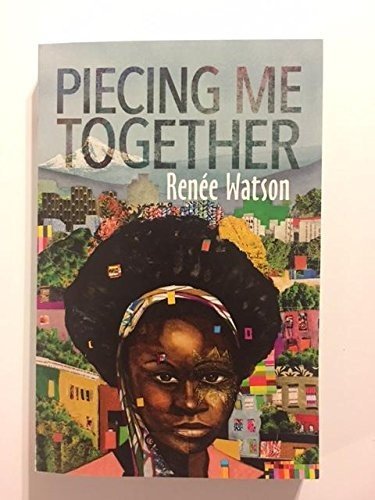
by Renée Watson
Middle grade · ages 10–14 · grades 5–9 · 780L
Quiet, unflinching portrait of a girl learning to trust her own vision—both literal (through collage) and metaphorical—when adults and peers constantly frame her through their own biases; the collage illustrations are structural, not decorative.
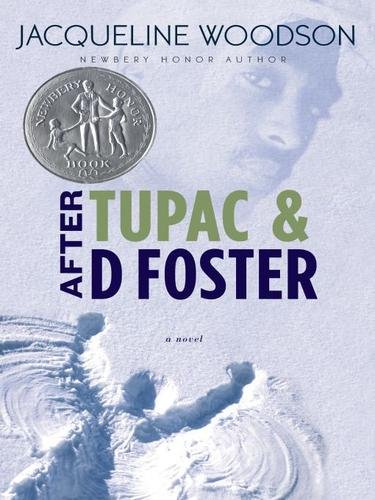
by Jacqueline Woodson
Middle grade · ages 10–14 · grades 5–9 · 720L
Woodson's lyrical prose and unflinching portrayal of 1990s Black girlhood make this a quiet masterpiece—the kind of book that stays with kids long after they finish, reshaping how they think about friendship and loss.
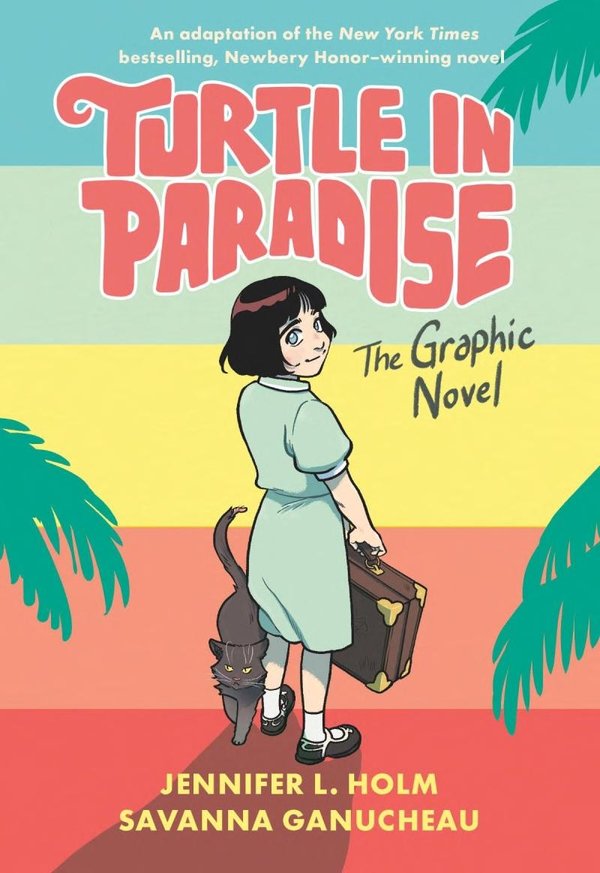
by Jennifer L. Holm
Middle grade · ages 8–12 · grades 3–7 · 760L
A Depression-era jewel that doesn't lecture—Turtle's scrappiness and the vividness of Key West make history immediate, and the message (belonging is something you find, not something you inherit) lands quietly and hard.
We'd skip — for now
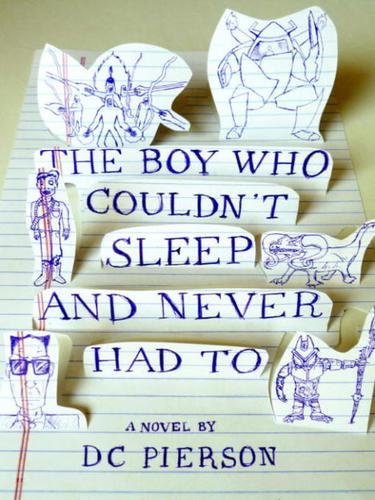
by DC Pierson
A step up — ages 12–15 · grades 7–10
Skip it if your child has unmedicated ADHD and finds books about hyperactive protagonists overstimulating — Darren's racing mind might feel too familiar in a difficult way.
