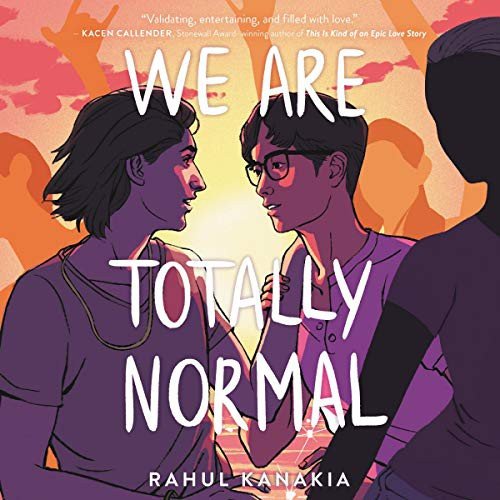
We Are Totally Normal
Middle grade · ages 9–12 · grades 4–7 · 820L · 2020
A genuinely funny, unsentimental book about two boys figuring out that 'normal' is a lie — reads like a conversation with a smart friend, not a after-school-special.
For a reader who just finished
after Anne of Green Gables by Lucy Maud Montgomery · ages 9–13
Middle grade · grades 4–8 · 820L
A timeless classic that rewards patience; the prose is dense but the character work on identity and belonging is unmatched for this age group.
Same style
Middle grade · ages 9–12 · grades 4–7 · 820L · 2020
A genuinely funny, unsentimental book about two boys figuring out that 'normal' is a lie — reads like a conversation with a smart friend, not a after-school-special.
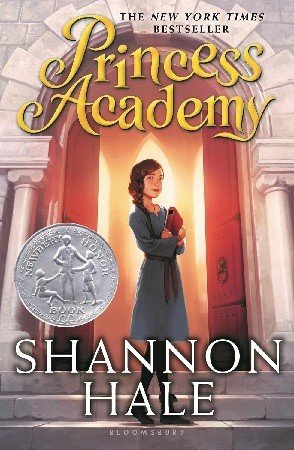
by Shannon Hale
Middle grade · ages 8–12 · grades 3–7 · 770L · 2015
A genuinely moving coming-of-age novel disguised as a fish-out-of-water story—Hale uses the academy setting to explore class, belonging, and the courage it takes to be yourself, and the prose is lovely without being flowery.
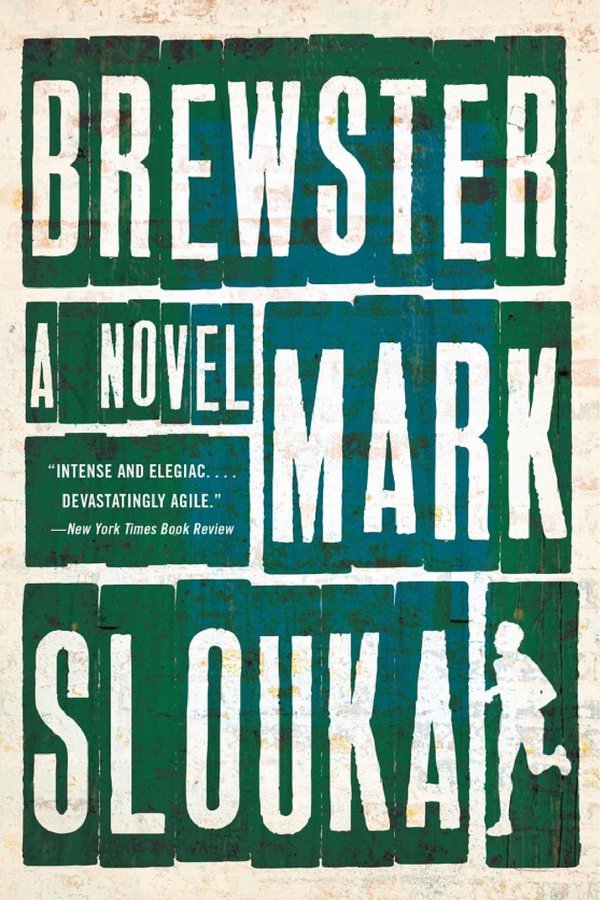
by Mark Slouka
Middle grade · ages 10–14 · grades 5–9 · 820L · 2013
A genuinely funny, unsentimental novel about middle-school friendship and self-discovery; Slouka writes with real tenderness about awkward kids finding their people.
Stretch them up
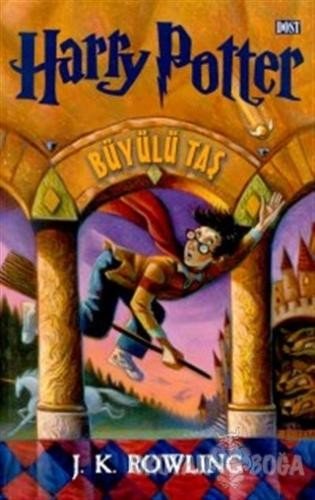
Middle grade · ages 9–12 · grades 4–7 · 880L · 1999
The book that redefined children's fiction — richly imagined world, genuine stakes, prose that respects young readers, and a protagonist's journey from isolation to belonging that doesn't feel saccharine.
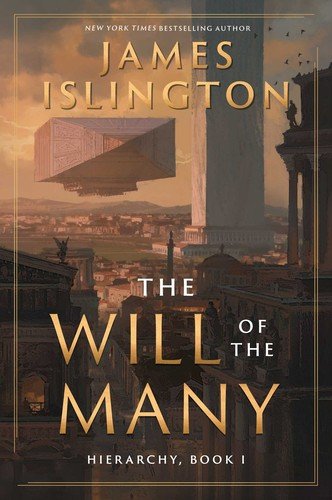
Middle grade · ages 10–14 · grades 5–9 · 890L
A genuinely sophisticated magic system wrapped in a mystery about identity — harder than typical middle grade but rewarding for strong readers who don't need constant humor.
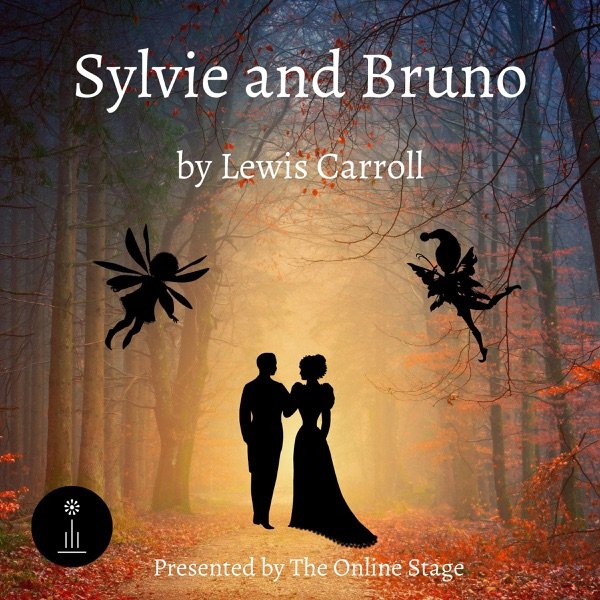
Middle grade · ages 10–14 · grades 5–9 · 1050L · 2018
Carroll's most structurally ambitious work and genuinely strange—the dual-timeline narrative and philosophical digressions demand real attention, but kids who love language puzzles and moral fables will find it rewarding.
Complementing on naming feelings
Verse novel · ages 6–10 · grades 1–5 · 520L · 1998
A masterwork of bilingual wordplay that reads aloud with infectious energy—kids feel seen in the code-switching, and the poems actively teach that two languages in one mind is a superpower, not a problem.
Middle grade · ages 8–12 · grades 3–7 · 740L · 1999
A watershed book for most kids who read it—not because it's cheerful, but because it takes grief seriously and shows that imagination can be both escape and source of real connection.
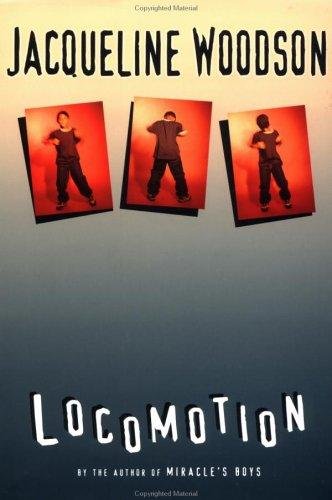
Verse novel · ages 9–12 · grades 4–7 · 680L · 2003
A masterwork of grief told in verse — Woodson's spare, exact language lets kids name loss they may not have words for, and the ending models hope without erasure.
We'd skip — for now
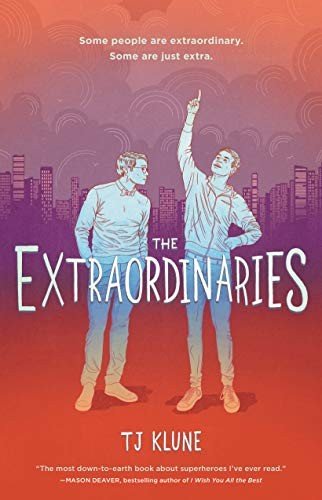
by T.J. Klune
A step up — ages 14–18 · grades 9–12
Skip it if your teen is uncomfortable with queer romance or frequent mentions of casual drinking at parties; the sexual content is restrained but romance is a throughline.